Spring Living Room Decor: Transform Your Heart of the Home
The living room holds a special place in our homes. It is where families gather after long days, where friends are entertained, and where we retreat for moments of quiet relaxation. As the central gathering space, the living room deserves particular attention when the seasons change and spring arrives with its promise of renewal. Transforming this important room for spring creates an environment that lifts spirits, welcomes guests, and reflects the beauty unfolding outside our windows. This comprehensive guide explores every aspect of spring living room decor, helping you create a space that feels fresh, inviting, and perfectly aligned with the season.

Understanding the Spring Living Room Aesthetic
Before diving into specific decorating choices, it is helpful to understand what makes spring decor distinct from other seasons. The winter living room typically embraces warmth and cocooning, with layers of texture, deeper colors, and an emphasis on comfort against the cold. Spring living room decor shifts toward lightness, airiness, and connection to the natural world. The goal is to create a space that feels open and breathable, where energy can flow freely and where the increasing daylight is celebrated rather than blocked.
This aesthetic manifests through several key elements. Color palettes lighten and brighten, drawing inspiration from blooming gardens and clear spring skies. Textures become lighter and more breathable, with heavy wools and velvets giving way to linens, cottons, and airy knits. Natural elements take center stage, bringing living energy indoors. Clutter is cleared, creating a sense of spaciousness that mirrors the expanding world outside. Ultimately, the spring living room becomes a space that nurtures optimism and connection, reflecting the season’s fundamental character of renewal and growth.
The Great Refresh: Cleaning and Clearing
Every successful room transformation begins with a thorough cleaning and thoughtful editing. The living room, having served as a cozy haven throughout winter, likely carries evidence of the season in the form of accumulated blankets, dust from closed windows, and perhaps a lingering heaviness in the atmosphere.
Begin by opening windows wide, even if only for a short time, to let fresh air circulate through the space. This simple act does more than clear stale air; it symbolically welcomes the new season and connects your indoor space with the outdoors. While windows are open, take the opportunity to clean them thoroughly inside and out, removing winter’s grime and allowing maximum light to penetrate.
Next, assess every surface in the room. Winter often brings a certain amount of accumulation, from extra throws and blankets to decorative objects that have multiplied over time. Clear surfaces of unnecessary items, storing winter-specific decor thoughtfully for next year. This editing process creates visual breathing room that immediately makes the space feel larger and lighter. Be honest about what truly belongs in the room and what has simply accumulated without purpose.
Deep cleaning follows editing. Vacuum under furniture, wash any slipcovers that need attention, and dust every surface including light fixtures and ceiling corners. If you have area rugs, consider having them professionally cleaned or at least give them a thorough vacuuming on both sides. This foundation of cleanliness ensures that the new decorative elements you introduce will shine against a pristine backdrop.
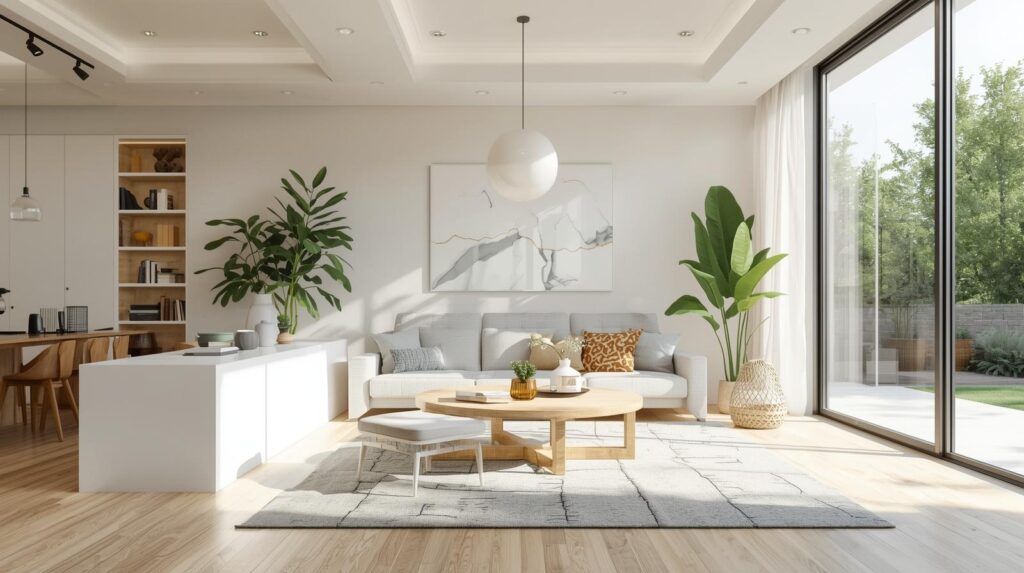
Lighting: Maximizing and Enhancing Natural Light
Light plays a starring role in spring living room decor, and maximizing natural light should be a primary consideration. After months of short days and often overcast skies, the increasing sunlight of spring deserves to be celebrated and amplified throughout the space.
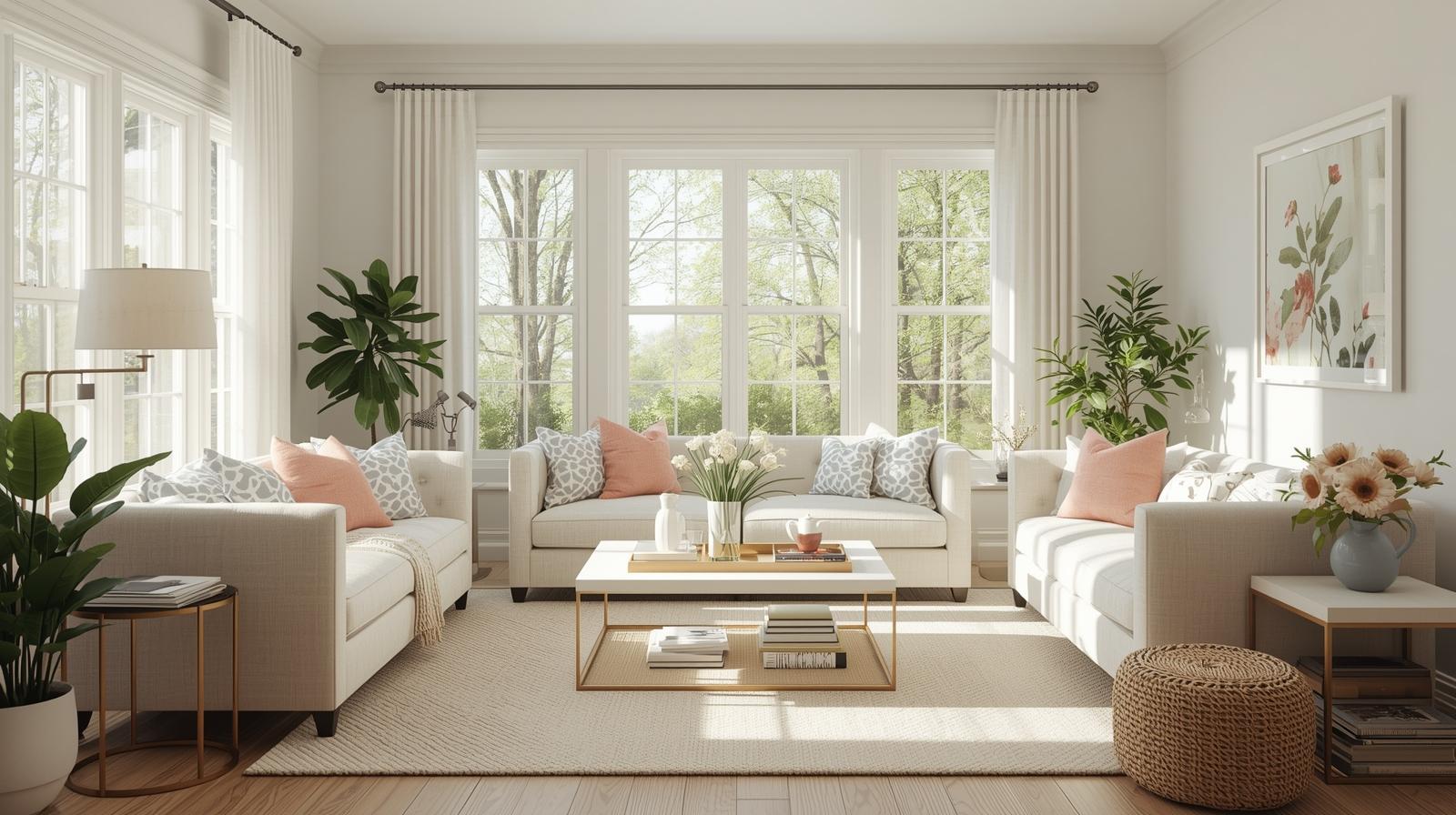
Window treatments deserve your first attention. Heavy drapes that provided insulation and coziness during winter can now be replaced or supplemented with lighter options. Sheer curtains in white or soft neutral tones allow sunlight to filter through while maintaining privacy, creating a gentle, diffused glow that flatters every surface they touch. If you prefer to keep your existing drapes, consider tying them back during daylight hours to maximize window exposure.
The placement of mirrors significantly affects how light travels through a room. A large mirror positioned opposite a window will reflect that window’s view and bounce light deeper into the space, effectively doubling the illumination. Smaller mirrors grouped on a wall can create a similar effect while adding decorative interest. Consider moving mirrors from less prominent positions to locations where they can actively contribute to the room’s brightness.
Glass and crystal accessories catch and scatter light, adding sparkle to side tables, shelves, and mantels. A collection of clear glass vases, a crystal bowl on a coffee table, or even a glass lampshade can introduce this light-playing quality to the room. The key is to use these elements thoughtfully, allowing them to catch light without creating visual clutter.
For evening hours, evaluate your artificial lighting. Lamps with dark shades can be swapped for lighter options that allow more illumination to escape. Consider adding a floor lamp in a dark corner to brighten previously shadowed areas. The goal is to create a room that feels bright and welcoming at all hours, not just when the sun is shining.
Color Stories for the Spring Living Room
Color wields tremendous power in setting the mood of a living room, and spring offers the perfect opportunity to shift away from winter’s deeper tones toward something lighter and more uplifting. The spring color palette draws directly from the season’s natural phenomena, offering countless possibilities for personal expression.
Soft pastels remain the most traditional and beloved choice for spring living rooms. Pale pink, reminiscent of cherry blossoms and early tulips, adds warmth without visual weight. Sky blue brings the freshness of a clear spring day indoors, creating a sense of expansiveness. Mint green evokes new growth and pairs beautifully with both white and natural wood tones, grounding the space in nature. Butter yellow infuses the room with gentle optimism, while lavender adds a touch of unexpected sophistication and calm.
For those who prefer a more neutral foundation, spring offers opportunities to work with warm off-whites, creamy ivories, and soft greige tones that provide calm backdrops for other elements. In these schemes, color enters through accessories that can be easily changed as the season progresses or as tastes evolve. A neutral living room anchored by a cream sofa and linen curtains can be transformed with pastel pillows, a floral throw, and colorful artwork, allowing for flexibility and evolution throughout the season.
Bolder spirits might embrace the vibrant colors of full spring bloom. Sunny yellows, coral pinks, and bright turquoise create energetic spaces that celebrate the season’s vitality. The key to success with brighter palettes lies in balance, allowing bold colors to shine against neutral backgrounds rather than competing with one another. A single vibrant accent wall, a brightly colored sofa, or a collection of bold artwork can provide the spring energy you seek without overwhelming the space.

Textile Transitions: Fabrics for the Season
Textiles play an enormous role in how a living room feels, both visually and physically. Swapping seasonal fabrics offers one of the most effective ways to transition from winter to spring, replacing heavy, insulating materials with lighter, breathable alternatives.
Begin with the largest textile elements in the room. If you have slipcovered furniture, changing to a lighter colored slipcover can dramatically alter the room’s atmosphere. A white or cream slipcover on a sofa instantly brightens the entire space and provides a fresh canvas for other elements. For upholstered pieces that cannot be recovered, consider how they interact with the room’s new color direction and whether they might benefit from the addition of lighter throws or pillows.
Throws and blankets that provided warmth and texture during winter can now be edited. Store the chunkiest knits and heaviest wools, replacing them with lighter cotton or linen throws in fresh spring colors or subtle patterns. Drape these casually over sofas and chairs, where they add both visual texture and practical warmth for cooler spring evenings.
Pillows offer the easiest and most affordable way to refresh a living room for spring. Replace velvet, wool, and heavy textured pillows with options in linen, cotton, or lightweight knits. Look for patterns that reflect the season, such as subtle florals, stripes in spring colors, or geometric designs in fresh hues. Mixing patterns within a cohesive color scheme creates visual interest while maintaining a pulled-together look. A general guideline is to choose two or three coordinating patterns and a handful of solid colors to maintain harmony.
Curtains deserve consideration as both textile elements and light controllers. If you haven’t already addressed them in your lighting strategy, now is the time to evaluate whether your current window treatments support your spring vision. Sheer panels behind heavier drapes allow you to maintain privacy while maximizing light, and they can be left in place when heavier drapes are removed for the season.
Bringing Nature Indoors: Plants and Flowers
Perhaps no single element says spring more clearly than living plants and fresh flowers. They bring authentic color, fragrance, and the unmistakable energy of growth into our living rooms, connecting us directly to the natural world outside our doors.
Fresh flowers offer immediate gratification and the opportunity to change arrangements frequently as different blooms become available. Early spring brings tulips, daffodils, and hyacinths, their bright colors and distinctive forms announcing the season’s arrival. As spring progresses, peonies, lilacs, and ranunculus take center stage with their lush petals and intoxicating scents. Even a single stem in a small vase on a side table can bring spring energy to a space.
Arranging flowers for the living room need not be intimidating. For maximum impact, consider a single large arrangement on the coffee table or mantel, using flowers in varying heights and textures. Alternatively, create several smaller arrangements throughout the room, using bud vases on shelves, side tables, and windowsills. This approach distributes the visual interest and allows you to enjoy flowers from multiple vantage points.
Potted plants offer longer-lasting greenery and the satisfaction of nurturing living things indoors. For living rooms, consider larger statement plants that anchor a corner or flank a piece of furniture. Fiddle leaf figs, monstera, and rubber trees bring dramatic foliage and architectural interest. Ferns add lush texture to shadier spots. Snake plants and ZZ plants thrive with minimal attention while purifying the air, making them ideal for those who prefer low-maintenance options.
If your living room receives limited natural light, don’t despair. Many beautiful plants tolerate low-light conditions, and high-quality faux options have improved dramatically in recent years. Look for silk flowers and realistic foliage that pass close inspection, and combine them with real branches or dried elements for authenticity.
The Mantel and Shelving: Seasonal Focal Points
The mantel, if you have one, serves as a natural focal point for seasonal decorating. After the elaborate displays of winter holidays, spring calls for a lighter, fresher approach that celebrates the season without overwhelming the space.
Begin by clearing the mantel completely, then build your spring display thoughtfully. A central element such as a large mirror or piece of artwork provides an anchor. Around this, arrange a collection of objects that speak to spring. Vases of fresh or dried flowers bring color and life. Candlesticks in pastel colors or natural materials add height and warmth. Small botanical prints leaned against the wall introduce art without the commitment of hanging. The key is to create visual interest through variation in height and texture while maintaining a sense of balance.
For a more organic look, consider a garland of faux or dried flowers draped along the mantel edge. This creates a continuous line of color that draws the eye and softens the hard edge of the mantel. Choose flowers in your chosen color palette, and allow them to mingle with greenery for a natural, garden-inspired effect.
Bookshelves offer another opportunity for seasonal expression. Edit your shelves to remove winter-heavy objects and create space for spring elements. Intersperse small vases of flowers among your books. Lean botanical prints against the back of shelves. Display collections of sea glass, shells, or other natural objects that speak to the season. The goal is to create shelves that feel curated and personal while reflecting the fresh energy of spring.
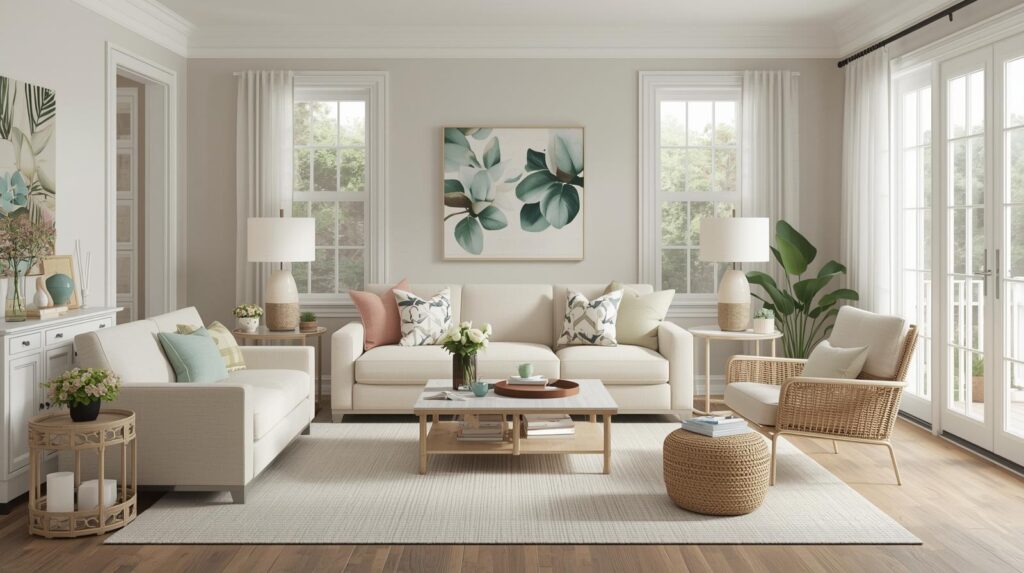
Furniture Arrangement for Spring Flow
The way furniture is arranged significantly affects how a room feels and functions. Spring offers an opportunity to reconsider your living room layout with an eye toward openness, flow, and connection.
Consider whether your current arrangement supports the way you actually use the room. During winter, we often pull furniture closer together to create cozy conversation areas that feel intimate and warm. Spring might call for a more open arrangement that allows for easier movement and creates a greater sense of spaciousness. Pulling furniture slightly away from walls and creating clearer pathways through the room can make the space feel larger and more welcoming.
Evaluate the relationship between your seating and windows. During winter, we often position seating to face inward, away from cold drafts. Spring allows us to orient seating to take advantage of views and natural light. If possible, arrange chairs and sofas to capture glimpses of the garden or to bask in afternoon sun. This connection to the outdoors enhances the spring feeling and makes the room feel more expansive.
Consider removing one piece of furniture entirely if the room feels crowded. A side table that has accumulated clutter, an extra chair that rarely gets used, or a ottoman that impedes traffic flow might be better stored for the season, creating breathing room that feels luxurious and intentional.
Artwork and Wall Decor for Spring
The artwork and wall decor in our living rooms significantly influence the atmosphere of the space, and spring offers an opportunity to refresh these elements or rotate in pieces that celebrate the season.
Consider swapping out darker, heavier artwork for pieces with lighter themes and brighter colors. Floral prints, landscape paintings depicting spring scenes, and botanical illustrations all bring seasonal energy to walls. If purchasing new art isn’t in the budget, consider framing favorite greeting cards, pressed flowers collected on walks, or pages from vintage botanical books for a personal and affordable alternative.
Gallery walls can be refreshed by introducing new pieces or rearranging existing ones to create a different feel. Spring might call for a lighter touch, with more white space around each piece and a less crowded arrangement overall. Consider editing your gallery wall to include fewer pieces, allowing each one to breathe and be appreciated individually.
Mirrors deserve special consideration as both functional objects and decorative elements. Beyond their role in reflecting light, mirrors can also reflect views of spring gardens or trees, effectively bringing the outdoors deeper into the room. Consider moving mirrors to positions where they capture the best light and most appealing outdoor views.
Accessories: The Finishing Touches
Accessories bring personality and completion to a spring living room, adding layers of interest that reward careful observation. The key is to select pieces that support your spring vision without creating visual clutter.
Vases and vessels in spring colors or natural materials provide homes for flowers and stand beautifully on their own. Look for ceramic pieces in soft glazes, clear glass that catches light, or woven baskets that add texture. Grouping vases of varying heights creates visual interest on side tables, coffee tables, and shelves.
Books can be styled to contribute to the spring aesthetic. Arrange them by color for a graphic look, or stack them horizontally with a small object on top for visual weight. Coffee table books featuring gardens, flowers, or spring landscapes reinforce the seasonal theme while providing entertainment for guests.
Candles and holders add warmth and ambiance to spring evenings. Choose unscented or lightly scented options that won’t compete with the fresh air coming through open windows. Pastel colors or natural beeswax tones complement spring palettes beautifully, and interesting holders in ceramic, glass, or metal add decorative value even when candles aren’t lit.
Decorative objects collected on travels or inherited from family members tell your personal story and make the room uniquely yours. Edit these objects to include only those that truly resonate, and give each one space to be appreciated. A single meaningful object on a side table has more impact than a crowded collection of lesser pieces.
Scenting Your Spring Living Room
Our sense of smell is powerfully connected to memory and emotion, and scenting your living room appropriately for spring enhances the entire decorating experience. The goal is to replace the warm, spicy fragrances of winter with lighter, fresher scents that evoke the outdoors.
Fresh flowers naturally scent a room while providing visual beauty, making them the ideal choice when available. For times when fresh flowers aren’t practical, candles and diffusers offer alternatives. Look for spring-inspired fragrances such as lilac, honeysuckle, fresh linen, sea salt, cucumber, or green grass. Citrus scents like lemon and grapefruit bring energy and brightness to the space.
Consider the placement of scented elements throughout the room. A diffuser on a side table provides continuous subtle fragrance. Candles can be grouped on the coffee table or mantel for a more concentrated effect when lit. The key is to avoid overwhelming the space with too much fragrance, allowing scents to complement rather than dominate.
For a truly authentic spring experience, simply opening windows regularly allows the actual scents of the season to enter your living room. The smell of rain on warm earth, freshly cut grass, or blooming flowers from your garden cannot be replicated by any candle and provides the most genuine connection to the season.

Maintaining the Spring Feeling
Once you have transformed your living room for spring, the challenge becomes maintaining that fresh feeling throughout the season. A few simple practices help keep the spring spirit alive from the first warm day through the transition to summer.
Regularly refreshing cut flowers keeps blooms at their peak and provides an excuse to visit farmers markets or garden centers. Swapping out tired arrangements for new ones every week or two prevents the decor from becoming stale. As different flowers come into season, embrace the change and let your decor evolve naturally.
Dusting and cleaning take on new importance when spaces are lighter and clutter-free. Surfaces that were previously hidden by winter’s abundance are now on display and benefit from regular attention. A quick daily tidy keeps the spring freshness alive between deeper cleaning sessions.
As the season progresses toward summer, allow your spring decor to gradually evolve. Pastels might give way to slightly brighter hues, and the first summer annuals might begin appearing in your flower arrangements. This gradual transition prevents the sudden shock of swapping one season for another and creates a natural flow through the year.
Conclusion: The Renewed Living Room
Transforming your living room for spring is ultimately an act of participation in the natural world’s most hopeful season. It acknowledges the shift happening outside our windows and brings that energy indoors, creating a space that nurtures and inspires during this time of renewal.
The ideas presented in this guide offer starting points for your own spring living room journey, but the most successful spaces are always those that reflect personal taste and respond to the unique characteristics of your home. Trust your instincts, experiment with combinations that appeal to you, and don’t be afraid to make changes as the season unfolds.
Whether you undertake a complete seasonal overhaul or simply add a few fresh flowers and lighten your textiles, the effort you invest in your spring living room will reward you daily with a space that feels alive, welcoming, and perfectly aligned with the season’s promise. So open the windows, let in the light, and prepare to fall in love with your living room all over again as it awakens to spring.