Small Room Ideas: Maximizing Style and Function in Compact Spaces
There is something uniquely satisfying about a well-designed small room. When every square inch must earn its keep, the result is often more intentional, more creative, and more personal than larger spaces where excess square footage can mask poor planning. Small rooms challenge us to think differently about how we use space, to prioritize what truly matters, and to discover solutions we might never have considered otherwise. Whether you are furnishing a tiny bedroom, a compact living room, or a diminutive home office, the principles of small-space design can transform limitations into opportunities. This comprehensive guide explores small room ideas across every category, helping you maximize both style and function in your compact spaces.
The Philosophy of Small Space Design
Before diving into specific ideas, it is helpful to understand the principles that make small spaces successful. Small room design is not about deprivation or making do with less. It is about intentionality, about choosing what truly matters and letting go of the rest.
Every Element Must Earn Its Place
In a small room, there is no room for objects that lack purpose or beauty. Each piece of furniture, each accessory, each color choice should contribute meaningfully to the space. This doesn’t mean your room must be minimalist or sparse. It means that everything in it should be there because you love it or need it, not because you feel you should have it.
Visual Weight Matters
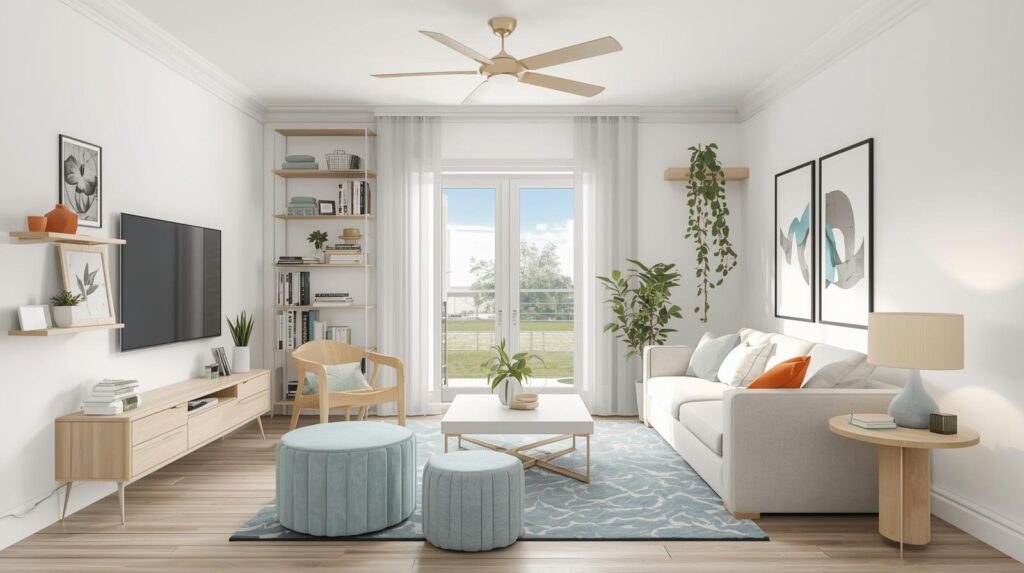
Some objects feel heavier than others, even when their physical weight is similar. A dark, solid piece of furniture visually weighs more than a light, open one. In small spaces, choosing pieces with less visual weight keeps the room feeling open and airy. Leggy furniture that exposes floor space underneath, glass or acrylic pieces that disappear visually, and light colors all reduce visual weight.
Multifunction Is Your Friend
In small spaces, furniture that serves multiple purposes earns its keep twice over. A bed with storage drawers underneath, a desk that folds against the wall when not in use, an ottoman that opens to hold blankets, these workhorses make small-space living possible without sacrifice.
Light and Color Transform Perception
Light colors reflect light, making spaces feel larger. Dark colors absorb light, making spaces feel smaller but also cozier. Strategic use of both can create depth and interest while maintaining openness. Maximizing natural light and layering artificial light sources further expands the sense of space.
Small Living Room Ideas
The living room often serves multiple functions in a small home, accommodating relaxation, entertainment, and sometimes dining or work. Smart design makes all these activities possible without crowding.
Furniture Scale and Selection
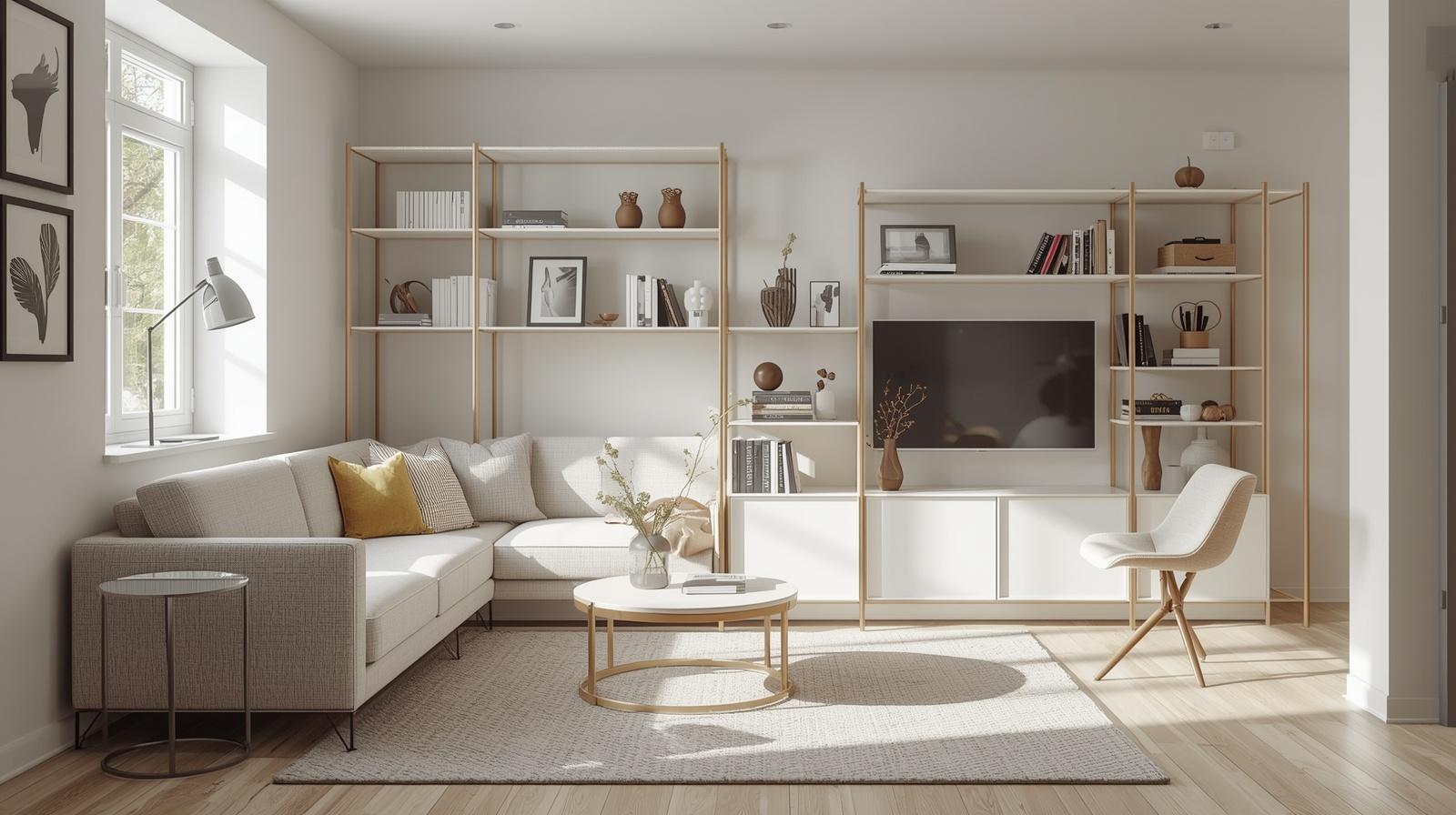
Choose furniture appropriately scaled to your room. A massive sectional that overwhelms the space helps no one. Instead, consider a loveseat paired with two small chairs that can be moved as needed. Armless furniture takes up less visual space. Pieces on legs that reveal floor underneath feel lighter than those that sit directly on the floor.
Consider a settee or bench instead of a full sofa if space is extremely tight. These smaller seating options can be supplemented with floor cushions or poufs that store easily when not in use.
Multifunctional Pieces
A coffee table with storage underneath holds blankets, books, and remote controls, reducing the need for additional storage furniture. An ottoman that serves as coffee table, extra seating, and storage combines three functions in one piece. A desk that folds against the wall when not in use creates a home office that disappears during off-hours.
Wall-Mounted Solutions
Floating shelves provide storage and display without taking floor space. Wall-mounted media consoles keep electronics accessible while leaving floor space clear. Sconces instead of table lamps free up surface space on end tables.
Mirror Magic
A large mirror on one wall reflects light and views, making the room feel significantly larger. Position it opposite a window for maximum effect. A collection of smaller mirrors creates interest while still expanding visual space.
Rugs That Define Zones
In an open-plan small space, rugs help define different functional areas. A rug under the seating area distinguishes it from dining or work areas. Choose rugs large enough that furniture legs sit on them, which visually unifies the zone rather than making it feel chopped up.
Small Bedroom Ideas
The bedroom must provide restful sanctuary while often accommodating storage, dressing, and sometimes even work.
Bed Size Considerations
Your bed will dominate a small bedroom, so choose wisely. A queen bed may be worth the space if you sleep better with your partner. A full or double may suffice for solo sleepers. Consider a daybed that functions as seating during the day and sleeping at night. Murphy beds that fold into the wall free floor space entirely when not in use.
Under-Bed Storage
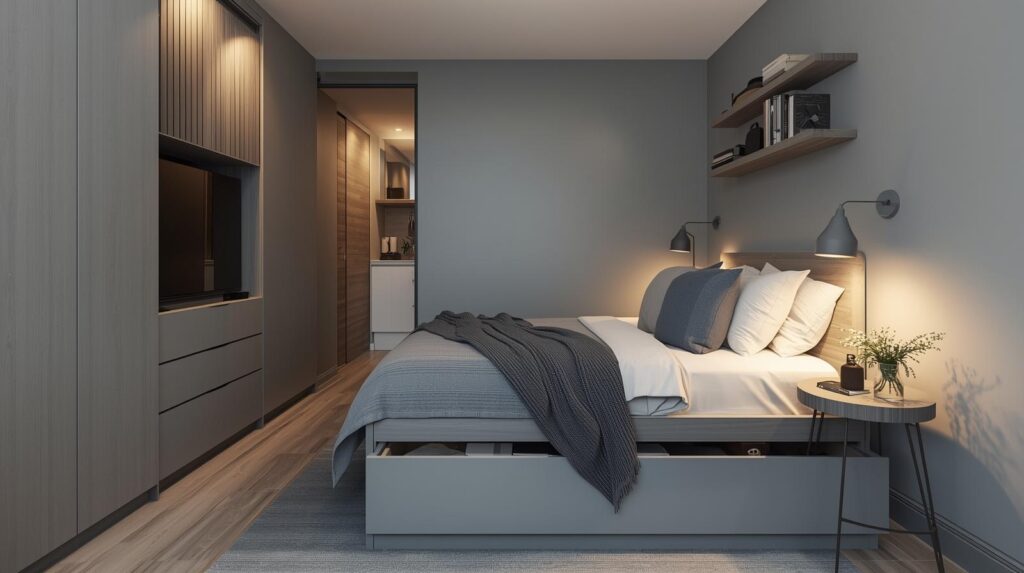
The space under your bed is prime real estate. Bed risers create more clearance for storage bins. Drawers built into the bed frame provide organized access. Vacuum-sealed bags store off-season clothing and bedding compactly. Choose a bed skirt that conceals storage while maintaining a polished look.
Vertical Storage
When floor space is limited, think vertically. Floor-to-ceiling shelving or cabinets use wall space that would otherwise go wasted. Install shelves above the bed for books and display, ensuring they are securely mounted. Use the back of the door for hooks or an over-door organizer.
Nightstand Alternatives
If standard nightstands won’t fit, consider alternatives. A small shelf mounted on the wall beside the bed holds a book and phone. A narrow console table behind the bed serves both sides. Floating shelves on each side provide surface without taking floor space. A small stool or stack of books can work in a pinch.
Light and Airy Palette
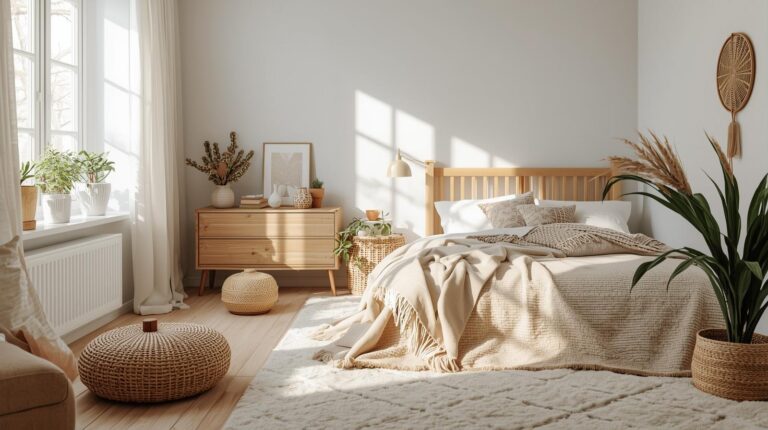
Light colors on walls, bedding, and furniture keep small bedrooms feeling open. White, cream, soft gray, and pale blue all work beautifully. Use darker colors sparingly as accents to add depth without weight. Sheer curtains allow maximum light while providing privacy.
Small Kitchen Ideas
Small kitchens must pack tremendous function into minimal space. Smart design makes cooking possible without constant frustration.
Vertical Storage Solutions
Use every inch of vertical space. Install shelves or cabinets all the way to the ceiling, using upper shelves for seldom-used items. Hang pots and pans from a ceiling rack or wall-mounted rail. Magnetic strips hold knives and metal tools, keeping them accessible while freeing drawer space.
Pull-Out and Pull-Down Features
Pull-out shelves in lower cabinets bring back items forward, eliminating the frustration of items lost in deep cabinets. Pull-down shelving in upper cabinets makes high storage accessible. Corner carousels or pull-outs use otherwise wasted corner space.
Multifunctional Appliances
Choose appliances that serve multiple purposes. A toaster oven that also air fries and roasts reduces the need for separate countertop appliances. An Instant Pot that functions as pressure cooker, slow cooker, rice cooker, and more replaces multiple gadgets. A microwave that includes convection cooking adds oven function without additional appliance.
Counter Space Maximization
Keep counters as clear as possible. Store appliances you use daily in cabinets when not in use, leaving only essentials on the counter. A rolling cart provides extra counter space when needed and tucks away when not. A cutting board that fits over the sink adds workspace temporarily.
Light Colors and Reflective Surfaces
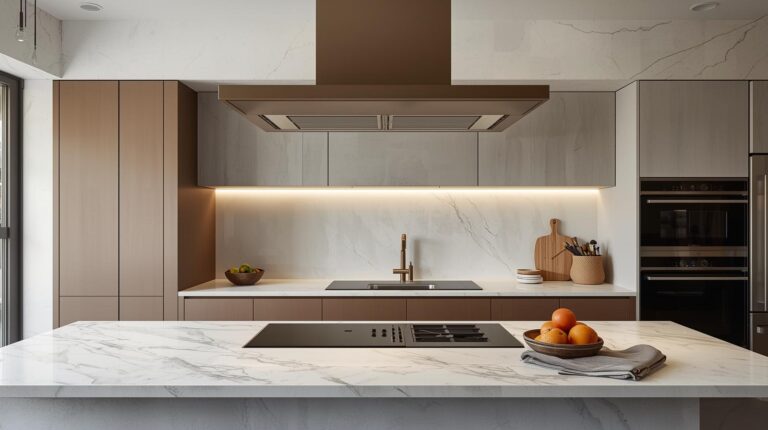
Light cabinets, light countertops, and light backsplashes keep small kitchens feeling open. Glossy finishes reflect light, adding to the sense of space. Glass-front upper cabinets visually recede compared to solid doors. Open shelving, used thoughtfully, can make a kitchen feel larger by eliminating visual barriers.
Small Bathroom Ideas
Bathrooms are often the smallest rooms in the home, yet they must accommodate many functions.
Vertical Storage
Take advantage of every inch of wall space. Over-the-toilet shelving uses space that would otherwise go wasted. Tall, narrow cabinets fit in tight spots while providing ample storage. Recessed medicine cabinets create storage within walls rather than protruding into the room.
Corner Solutions
Corners are often underutilized in bathrooms. Corner sinks fit where standard sinks won’t. Corner shelving provides storage without taking floor space. Corner showers maximize footprint efficiency.
Visual Expansion
Large mirrors make small bathrooms feel significantly larger. Consider a mirror that covers an entire wall. Glass shower enclosures rather than curtains maintain sight lines, making the room feel more open. Light colors on walls, floors, and fixtures keep the space feeling clean and expansive.
Door Choices
A traditional swinging door takes up valuable floor space. Pocket doors slide into the wall, freeing that area. Barn doors slide along the wall, saving space while adding style. Bifold doors require less clearance than standard doors.
Multipurpose Fixtures
A combination shower and tub saves space compared to separate units. A vanity with built-in storage eliminates the need for additional cabinets. A toilet with a built-in sink on its tank saves space while adding function.
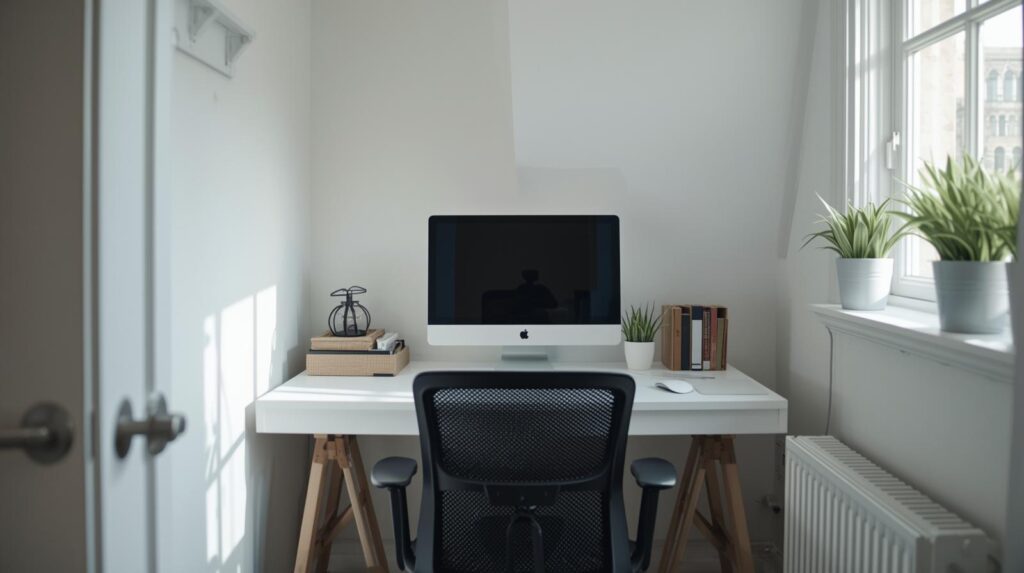
Small Home Office Ideas
As more people work from home, small home offices must support productivity without dominating living space.
Fold-Down Desks
A desk that folds against the wall when not in use reclaims floor space for other activities. When work is done, the desk disappears. Add a chair that tucks completely under the folded desk for maximum space efficiency.
Vertical Organization
Use wall space for organization. Shelving above the desk holds books and supplies. A pegboard with accessories keeps tools visible and accessible. Magnetic boards hold notes and reminders without taking desk space.
Multifunctional Furniture
A cabinet that closes to hide office supplies when not in work mode keeps the space looking tidy. A desk that also serves as dining table or craft table earns its keep twice. Storage ottomans hold files while providing extra seating.
Technology Integration
Mount monitors on arms that free desk space. Use wireless devices to reduce cord clutter. Choose all-in-one printers to combine functions in one device. Keep technology organized and accessible.
Lighting Considerations
Good task lighting reduces eye strain during long work hours. Adjustable lamps direct light where needed. Natural light, when available, improves mood and productivity. Position your desk to take advantage of window views without screen glare.
Small Entryway Ideas
The entryway sets the tone for your home while managing daily comings and goings.
Slim Furniture Solutions
A narrow console table provides surface space without taking much floor area. A slim bench offers seating for removing shoes. Wall-mounted hooks at various heights accommodate all family members without floor-mounted coat racks.
Vertical Organization
Install a row of hooks at different heights for coats and bags. Add shelves above for baskets holding hats, gloves, and scarves. A mirror makes the space feel larger and provides last-minute appearance checks.
Multifunctional Pieces
A bench with storage underneath holds shoes while providing seating. A console with drawers hides keys, mail, and small essentials. A umbrella stand corrals wet umbrellas while adding style.
Floor Considerations
Entryway floors take abuse. Choose durable materials that clean easily. A washable rug catches dirt and adds style. Consider tile, vinyl, or sealed wood that withstands moisture and traffic.
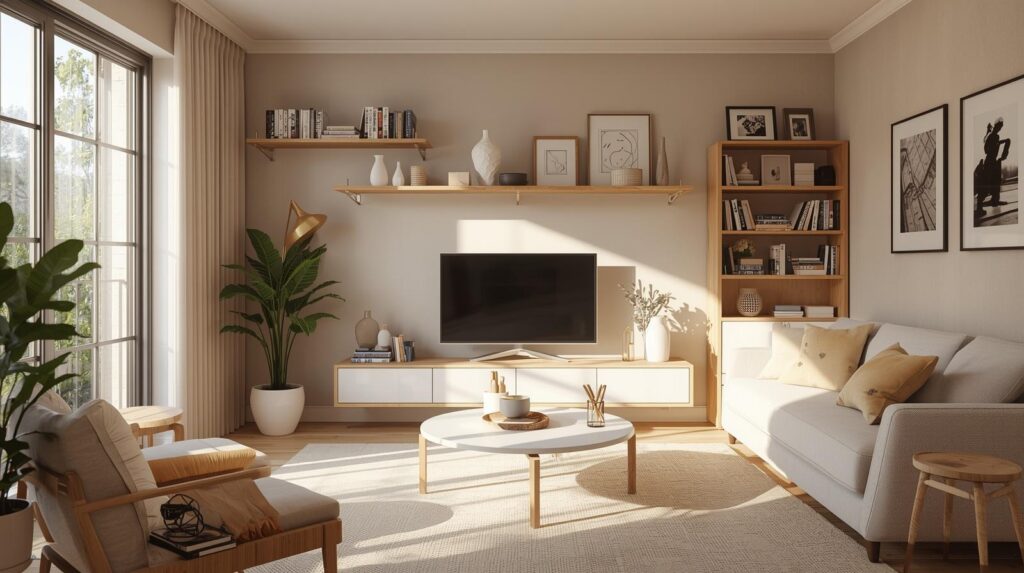
Small Space Decorating Tricks
Beyond furniture choices, several decorating strategies make small rooms feel larger.
Scale and Proportion
Choose appropriately scaled accessories. Oversized art can make a small room feel larger by drawing the eye and creating focal points. Conversely, many tiny accessories can feel cluttered. Find the right balance for your space.
Repetition and Rhythm
Repeating colors, shapes, or materials throughout a room creates visual continuity that makes spaces feel larger. A color that appears in pillows, art, and accessories ties the room together. Consistent flooring throughout an open plan eliminates visual breaks that can make spaces feel chopped up.
Transparency
Glass, acrylic, and lucite furniture visually disappear, taking up less visual space than solid pieces. A clear coffee table, acrylic desk chair, or glass shelving maintains sight lines and reduces visual weight.
Light Layering
Combine ambient, task, and accent lighting to create depth and interest. Well-lit spaces feel larger than dim ones. Use dimmers to adjust mood and intensity. Consider cove lighting, track lighting, and wall washes that illuminate without taking space.
Color Continuity
Painting walls and trim the same color eliminates visual breaks that can make small rooms feel chopped up. Using similar colors throughout an open plan creates flow that makes spaces feel larger. This doesn’t mean everything must match, but colors should relate harmoniously.
Conclusion: Small Space, Big Potential
Small rooms are not limitations to overcome but opportunities to create something special. When every element must earn its place, the result is often more intentional, more personal, and more beautiful than larger spaces where excess square footage can mask lazy design.
The key to successful small-space design lies in thoughtful choices. Choose furniture that fits both physically and visually. Select pieces that serve multiple purposes. Use vertical space wisely. Maximize light and reflection. Edit ruthlessly, keeping only what you truly need and love.
Most importantly, let your small room reflect who you are. The constraints of space need not constrain your personality. Color, pattern, texture, and personal treasures all have place in well-designed small spaces. The goal is not to hide the room’s size but to celebrate its potential.
Whether you are furnishing a tiny apartment, a compact cottage, or simply a small room in a larger home, these ideas can help you create a space that feels expansive, functional, and uniquely yours. Small rooms, thoughtfully designed, often become the most beloved spaces in any home.