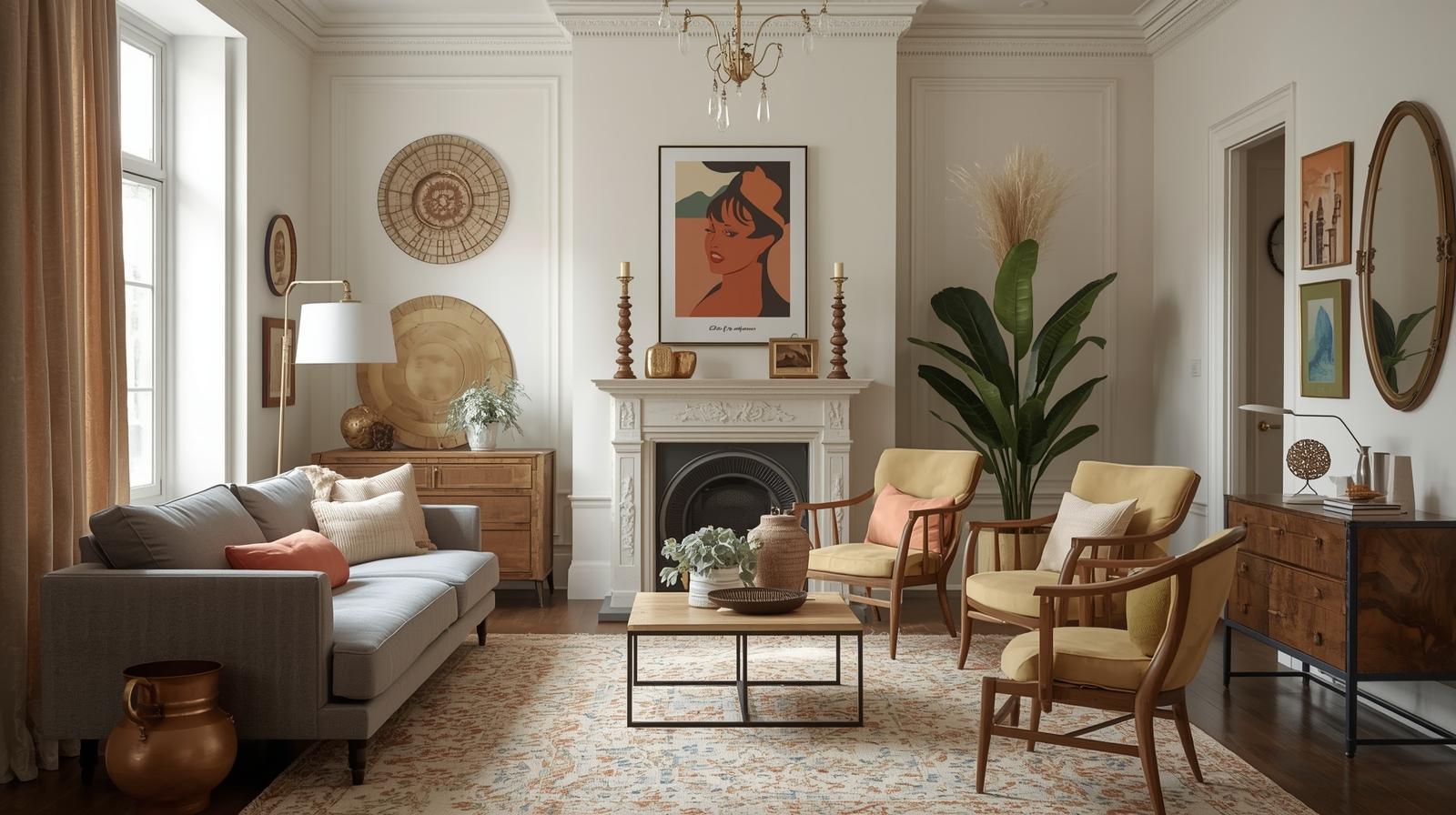
Room Ideas Aesthetic: Creating Spaces That Reflect Your Style
There is something deeply satisfying about walking into a room that feels perfectly, unmistakably you. Every color, every texture, every carefully chosen object contributes to an atmosphere that resonates with your personality and makes you feel completely at home. This is the power of aesthetic design—creating spaces that are not just functional but deeply expressive, environments that lift your spirits and reflect your values every time you enter. The word “aesthetic” has become ubiquitous in design conversations, but its true meaning goes beyond simply making things look pretty. A room’s aesthetic encompasses the entire sensory experience: how it looks, how it feels, how it makes you feel. This comprehensive guide explores room ideas aesthetic across multiple styles, helping you identify what resonates with you and how to create spaces that are authentically yours.
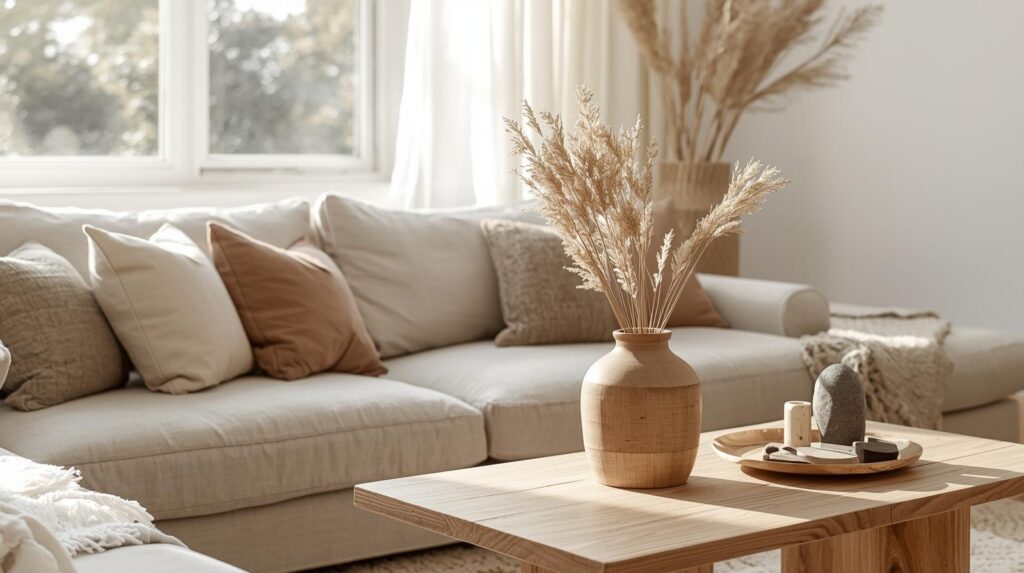
Understanding Aesthetic Design
Before diving into specific styles, it is helpful to understand what we mean by aesthetic in the context of interior design. An aesthetic is more than a collection of pretty objects; it is a cohesive visual language that expresses a particular mood, philosophy, or way of being.
Beyond Decoration
Aesthetic design considers every element’s contribution to the overall feeling of a space. Color, texture, form, light, and material all work together to create an atmosphere. A room with a strong aesthetic feels intentional, as if every object belongs exactly where it is. There is no sense of random accumulation but rather careful curation.
Personal Expression
Your room’s aesthetic should reflect you, not a magazine spread or social media trend. The most successful aesthetic spaces are those that feel authentic to the people who live in them. They incorporate personal history, favorite objects, and colors that genuinely resonate. They may not appeal to everyone, but they don’t need to. They need to appeal to you.
Emotional Impact
A strong aesthetic creates an emotional response. A minimalist room might evoke calm and clarity. A bohemian space might feel creative and free. A dark, dramatic room might feel intimate and luxurious. The best aesthetics are those that produce the feelings you want to experience in your space.
Minimalist Aesthetic Room Ideas
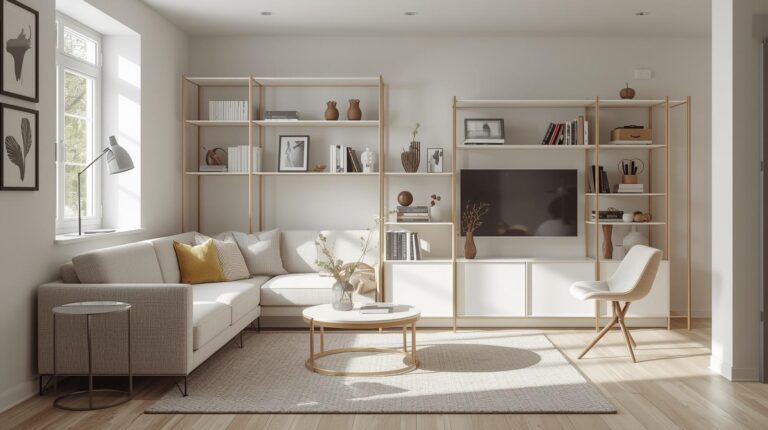
The minimalist aesthetic celebrates simplicity, clarity, and intentionality. Every object earns its place, and nothing exists without purpose or beauty.
The Minimalist Color Palette
Minimalist rooms embrace neutral colors that recede rather than demand attention. White dominates, its purity and light-reflecting qualities creating calm, open spaces. Off-white, cream, and light gray add warmth while maintaining simplicity. Black appears sparingly as accent, providing contrast and definition.
Furnishings with Purpose
Each piece of furniture in a minimalist room serves a clear function and does so with beautiful simplicity. Clean lines, honest materials, and excellent craftsmanship characterize minimalist furnishings. A sofa might be a simple form in a neutral fabric. A table might be a slab of wood on simple legs. Nothing is extraneous.
Edited Accessories
Accessories in minimalist rooms are few but meaningful. A single piece of art on a large wall. One perfect vase on a console table. A small stack of carefully chosen books. This restraint allows each object to be fully appreciated rather than competing for attention.
Negative Space
Empty space is valued in minimalist design. Walls without art, surfaces without objects, floors without furniture, these empty areas provide visual rest and make the objects that are present feel more significant. Learning to leave space empty is a key skill in minimalist aesthetics.
Light and Air
Minimalist rooms maximize natural light and keep window treatments simple. Sheer curtains or blinds that disappear when open allow light to flood spaces. The connection to outdoors and the play of light throughout the day add life to otherwise simple spaces.
Bohemian Aesthetic Room Ideas
The bohemian aesthetic celebrates creativity, freedom, and global influence. It is eclectic, layered, and deeply personal.
Rich, Layered Colors
Bohemian rooms embrace color in all its richness. Jewel tones like deep purple, emerald green, and sapphire blue create luxurious depth. Warm earth tones ground the space. Pops of bright color add energy. The key is layering colors so they relate harmoniously despite their variety.
Pattern Mixing
Patterns layer freely in bohemian spaces. A Moroccan rug, Indian block-print pillows, and a Guatemalan blanket might all coexist in one room. The unifying element is often color; patterns that share a common palette feel intentional rather than chaotic. Trust your eye and don’t overthink.
Global Influences
Travel-inspired objects give bohemian rooms their collected-over-time character. Textiles from Morocco, carvings from Africa, ceramics from Mexico, all bring stories and authenticity. These objects should be genuine representations of the cultures they come from, not mass-produced imitations.
Abundant Textiles
Texture creates the cozy, layered feeling of bohemian spaces. Woven textiles, chunky knits, velvet pillows, and silk throws all contribute sensory richness. Layers of rugs, piles of pillows, and draped blankets invite relaxation and create visual warmth.
Plants Everywhere
Plants thrive in bohemian rooms, their organic forms softening the abundance of pattern and color. Hanging plants, floor plants, shelf plants, plants in every corner bring life and freshness. Macrame plant hangers add to the handcrafted aesthetic.
Low and Comfortable Seating
Floor cushions, poufs, and low sofas create casual, relaxed seating arrangements. These flexible pieces can be moved and arranged as needed, supporting the bohemian value of freedom and adaptability. The overall feeling is one of ease and comfort.
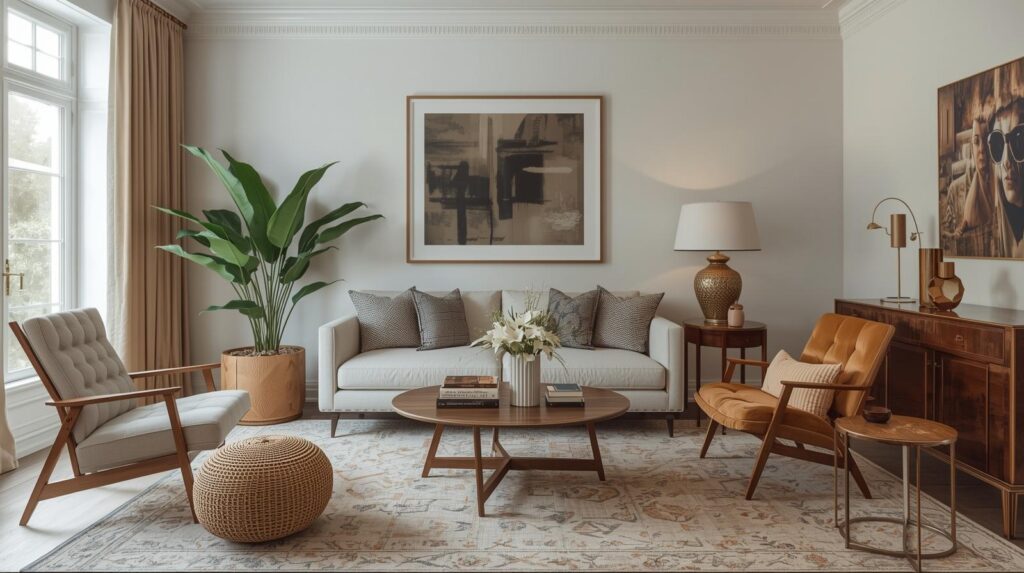
Scandinavian Aesthetic Room Ideas
Scandinavian design offers lessons in creating bright, functional, beautiful spaces that feel warm despite their simplicity.
Light and Bright Foundation
White walls and pale floors create the light, bright foundation of Scandinavian rooms. This maximizes limited natural light during long winters and creates a sense of openness. The white backdrop allows other elements to stand out without competing.
Natural Materials
Wood, wool, linen, and leather add warmth to Scandinavian spaces. Light wood floors, a wool throw, linen curtains, a leather chair, all bring organic texture that prevents white spaces from feeling cold. These materials also age beautifully, developing patina over time.
Functional Beauty
Every object in a Scandinavian room serves a purpose, but that purpose does not preclude beauty. A simple ceramic vase, a well-designed lamp, a beautifully crafted chair, all demonstrate that function and beauty can coexist. Objects are chosen for both their usefulness and their aesthetic contribution.
Hygge Elements
The Danish concept of hygge, cozy contentment, adds warmth to Scandinavian design. Soft lighting, warm textiles, candles, and comfortable seating all contribute to hygge. These elements make the room feel not just clean but genuinely welcoming and cozy.
Clean Lines
Furniture in Scandinavian rooms features clean, simple lines. There is no excess ornamentation; beauty comes from form, proportion, and material rather than applied decoration. This restraint creates calm, ordered spaces.
Industrial Aesthetic Room Ideas
The industrial aesthetic celebrates raw materials, utilitarian objects, and the beauty of function.
Raw Materials
Industrial spaces feature materials in their natural state. Exposed brick, concrete floors, unfinished wood, and visible metal beams all contribute to the raw, honest character. These materials are celebrated rather than covered up.
Neutral, Muted Palette
Industrial rooms embrace a palette of grays, browns, blacks, and whites. These colors come from the materials themselves rather than being applied. The effect is grounded, serious, and urban. Pops of color, when used, stand out dramatically against the neutral backdrop.
Utilitarian Objects
Objects in industrial spaces are chosen for their function and honest appearance. Factory carts become coffee tables. Metal lockers provide storage. Warehouse shelving displays objects. These utilitarian pieces bring authentic character that reproductions cannot match.
Open Space
Industrial spaces tend to be open and airy, often in converted warehouses or lofts. High ceilings, large windows, and open floor plans contribute to the feeling of spaciousness. Even in smaller spaces, maintaining openness is key to the industrial feel.
Statement Lighting
Lighting plays a crucial role in industrial aesthetics. Large pendant lights, exposed bulbs, and metal fixtures make statements while providing illumination. Factory-style lights, Eddison bulbs, and industrial sconces all contribute to the aesthetic.
Vintage and Repurposed Elements
Genuine industrial spaces incorporate vintage and repurposed elements. An old factory cart, vintage signage, or reclaimed wood bring authenticity and history. These objects carry stories that new items cannot replicate.
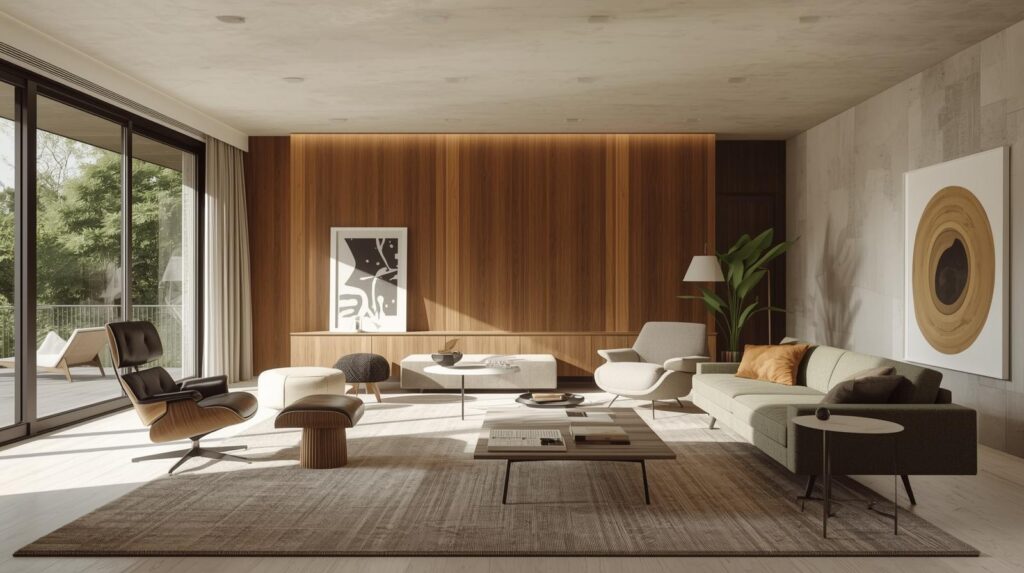
Mid-Century Modern Aesthetic Room Ideas
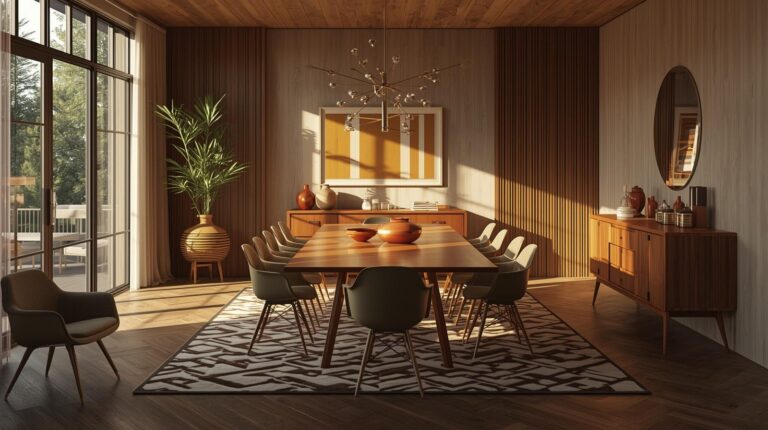
Mid-century modern design, popular from roughly 1945 to 1969, continues to influence contemporary spaces with its timeless appeal.
Organic and Geometric Forms
Mid-century furniture features both organic, biomorphic shapes and clean geometric lines. A curved sofa, a sculptural chair, a geometric coffee table, all demonstrate the era’s exploration of form. These shapes feel both modern and timeless.
Warm Wood Tones
Wood plays a central role in mid-century aesthetics. Teak, walnut, and oak appear in furniture, paneling, and accessories. The warm tones of these woods add richness to spaces and connect to the era’s appreciation of natural materials.
Period-Inspired Colors
Mid-century color palettes include both vibrant and muted options. Popular colors include mustard yellow, avocado green, burnt orange, and turquoise, balanced with plenty of neutrals. These colors can be used on walls, upholstery, or accessories.
Iconic Furniture Pieces
Genuine or reproduction iconic pieces anchor mid-century rooms. An Eames lounge chair, a Noguchi coffee table, a Nelson bench, these designs have become classics for good reason. Investing in quality pieces pays off in lasting satisfaction.
Clean Lines
Despite the organic forms, mid-century design maintains clean lines and lack of ornamentation. Beauty comes from form and proportion rather than applied decoration. This restraint keeps spaces feeling modern rather than dated.
Connection to Outdoors
Large windows, open floor plans, and incorporation of indoor plants connect mid-century spaces to nature. The boundaries between inside and outside blur, creating spaces that feel expansive and connected to the natural world.
Farmhouse Aesthetic Room Ideas
The farmhouse aesthetic celebrates rural traditions, simple living, and authentic materials.
Warm, Neutral Palette
Farmhouse rooms embrace warm whites, creamy ivories, soft grays, and muted earth tones. These colors feel natural and grounded, creating welcoming spaces. Black accents, often in metal, provide contrast and definition.
Natural Materials
Wood dominates farmhouse aesthetics. Reclaimed barn wood, wide-plank floors, and simple wood furniture bring warmth and authenticity. Stone, brick, and natural fibers like cotton and linen add texture and connection to the land.
Vintage and Repurposed Finds
Authentic farmhouse spaces incorporate genuine vintage pieces. An old farm table, antique pitchers, vintage signs, and inherited quilts all bring history and character. These objects tell stories and make spaces feel collected over time.
Simple, Functional Furnishings
Furniture in farmhouse rooms is simple and functional. There is no excess ornament; beauty comes from honest materials and straightforward construction. A farmhouse table, a simple wood bench, a slipcovered sofa, all serve their purposes without pretension.
Textural Layers
Layers of texture create the cozy, welcoming feeling of farmhouse spaces. Burlap, linen, cotton, wool, and natural fibers all contribute. Quilts draped over chairs, woven baskets for storage, and chunky knit throws add warmth and visual interest.
Architectural Details
Shiplap walls, beadboard ceilings, exposed beams, and farmhouse sinks all contribute architectural character. These details, whether original or added, reinforce the farmhouse aesthetic and create spaces with depth and interest.
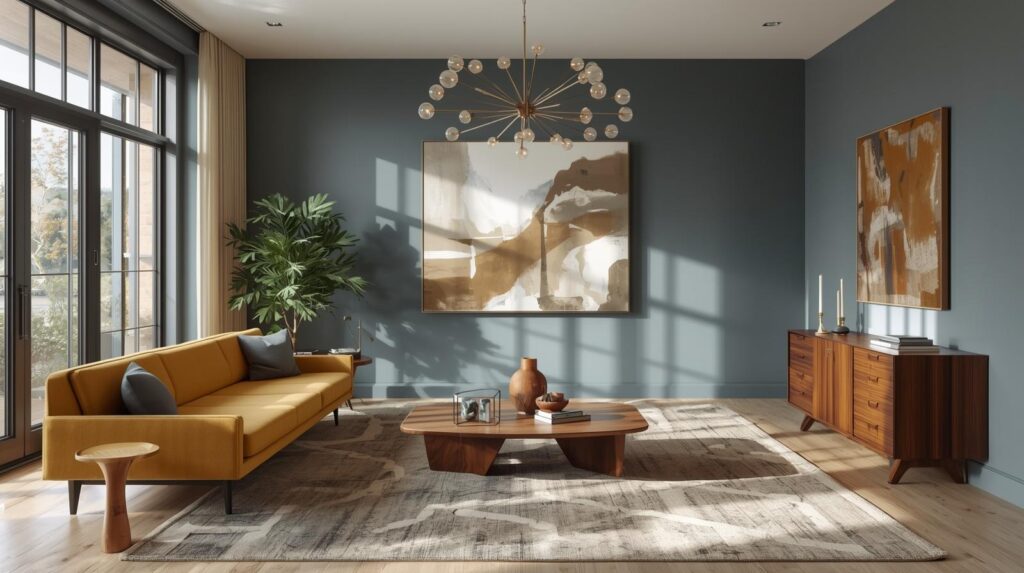
Dark and Moody Aesthetic Room Ideas
Dark and moody rooms embrace depth, drama, and intimacy. These spaces feel like cozy retreats from the bright, demanding world.
Deep, Rich Colors
Dark rooms feature deep, saturated colors on walls, ceilings, and sometimes trim. Navy, charcoal, forest green, burgundy, and even black create enveloping spaces that feel intimate and luxurious. The darkness recedes, making walls feel farther away, while the richness adds warmth.
Dramatic Lighting
Lighting becomes crucial in dark rooms. Statement fixtures provide both illumination and drama. Task lighting creates pools of light for specific activities. Accent lighting highlights artwork and objects. The contrast between light and dark adds depth and mystery.
Luxurious Textures
Texture becomes even more important when color is dark. Velvet, silk, fur, and rich wools add luxury and invite touch. These textures catch light and add dimension that might otherwise be lost in the darkness.
Metallic Accents
Gold, brass, and copper add warmth and sparkle to dark rooms. These metals catch light and create focal points against dark walls. A gold mirror, brass sconces, or copper accessories elevate the space from merely dark to truly luxurious.
Intimate Scale
Dark rooms often feel more intimate, which can be desirable in bedrooms, libraries, and cozy living areas. The darkness wraps around you, creating a sense of enclosure and security that lighter spaces cannot match.
Coastal Aesthetic Room Ideas
Coastal design brings the relaxed feeling of seaside living to any location.
Light, Airy Palette
Coastal rooms feature light, airy colors inspired by sand, sea, and sky. Whites, creams, soft blues, and sandy beiges create fresh, open spaces. These colors reflect light and create the relaxed feeling of a beach vacation.
Natural Textures
Rattan, jute, seagrass, and driftwood bring organic texture to coastal spaces. Woven baskets, natural fiber rugs, and rattan furniture add warmth and connect to natural materials. These textures prevent the light palette from feeling sterile.
Nautical Elements
Subtle nautical touches reinforce the coastal theme without becoming theme-y. Rope accents, shell collections, model boats, and striped textiles all suggest the sea without overwhelming. The key is subtlety; a few well-chosen elements are more effective than many.
Indoor-Outdoor Connection
Coastal design emphasizes connection to outdoors. Large windows, glass doors, and outdoor living spaces blur the boundaries. Indoor plants bring the outside in. The goal is spaces that feel open and connected to nature.
Relaxed Furnishings
Furniture in coastal rooms is comfortable and casual. Slipcovered sofas, weathered wood tables, and relaxed upholstery invite lounging. Nothing is precious; everything is meant to be used and enjoyed.
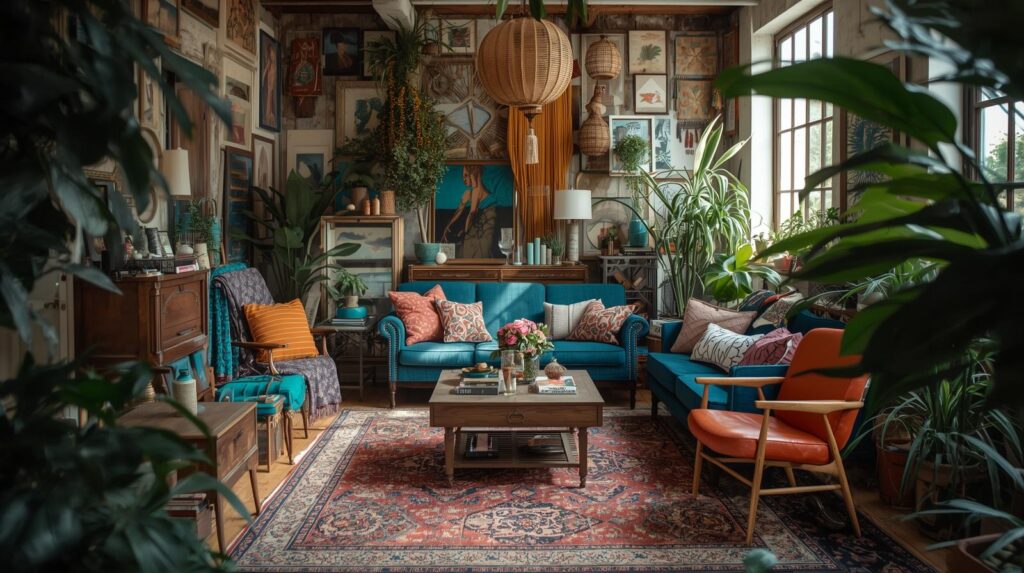
Eclectic Aesthetic Room Ideas
Eclectic design celebrates personal expression through thoughtful mixing of styles, periods, and influences.
Unifying Elements
Successful eclectic spaces have unifying elements that tie diverse objects together. A consistent color palette, repeated materials, or similar scale can create cohesion amid variety. Without unifying elements, eclectic can become chaotic.
Balance and Proportion
Despite the mix, eclectic rooms maintain balance. Large pieces anchor spaces; smaller objects cluster meaningfully. Visual weight distributes evenly. The room feels composed rather than random.
Personal Collections
Collections of objects that matter to you add authentic personality. Travel souvenirs, family heirlooms, art by friends, and objects that simply delight you all contribute to eclectic spaces. These objects tell your story.
Mix of High and Low
Eclectic rooms mix investment pieces with affordable finds. A designer sofa might sit next to a thrifted side table. Museum-quality art might hang above a flea market find. This mix creates depth and interest while allowing for budget flexibility.
Evolved Over Time
The best eclectic spaces evolve over time, accumulating objects as life unfolds. They cannot be created in a weekend because they reflect genuine history. This authenticity is their greatest strength.
Conclusion: Finding Your Aesthetic
Room ideas aesthetic are ultimately about finding what resonates with you and creating spaces that feel authentically yours. The minimalist who tries to force bohemian style will never feel at home. The maximalist who attempts stark minimalism will feel constrained and unhappy. Your aesthetic should reflect who you truly are.
The process of discovering your aesthetic takes time. Gather images that appeal to you and look for patterns. Pay attention to how different spaces make you feel. Notice what draws you in stores and homes. Over time, your preferences will reveal themselves.
Once you understand your aesthetic, implement it thoughtfully. Start with larger elements, walls, flooring, major furniture, then layer in accessories and personal touches. Allow the space to evolve as you live in it. The best rooms are never truly finished; they grow and change as you do.
Whether you find yourself drawn to serene minimalism, creative bohemian, warm Scandinavian, raw industrial, timeless mid-century, cozy farmhouse, dramatic dark, relaxed coastal, or personal eclectic, your home should be a reflection of you. Create spaces that make you happy every time you walk in, and you will have succeeded beyond any design trend or rule.