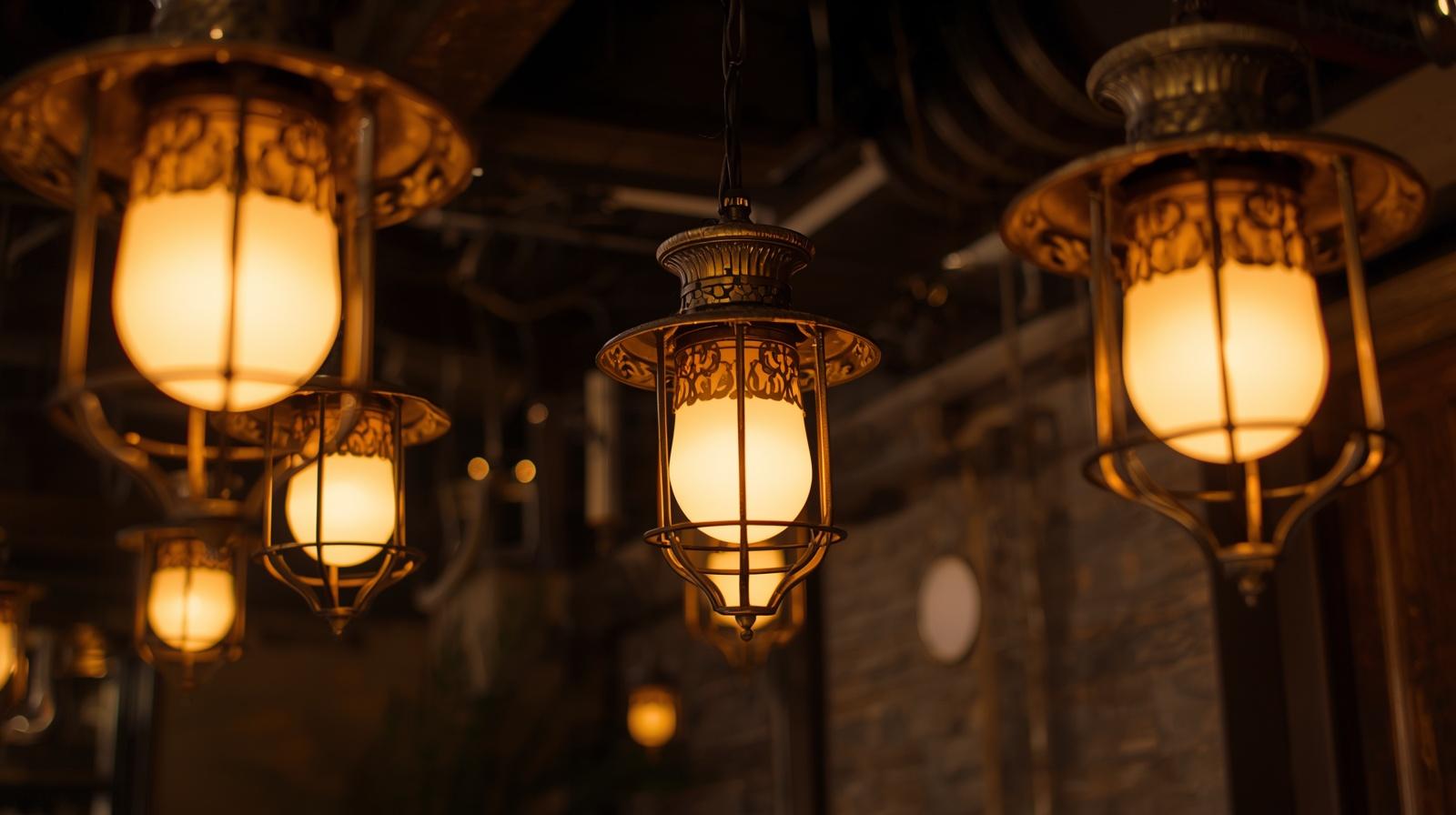
Retro Pendant Lights: Illuminating Spaces with Vintage Charm
There is something magical about retro pendant lights. Suspended from ceilings like glowing sculptures, they capture the imagination while providing essential illumination. These fixtures, inspired by designs from the mid-twentieth century, have experienced a remarkable renaissance in recent years, finding their way into homes, restaurants, and commercial spaces around the world. Their appeal transcends mere nostalgia; retro pendant lights embody design principles that remain as valid today as when they first emerged. Clean lines, honest materials, thoughtful proportions, and the perfect marriage of form and function, these qualities make retro pendants timeless rather than dated. Whether you are a devoted collector of authentic vintage pieces or simply appreciate the aesthetic, understanding retro pendant lights enriches your appreciation of design history while helping you make informed choices for your own spaces. This comprehensive guide explores the history, styles, materials, and enduring appeal of retro pendant lights.

Understanding Retro Design
Before diving into specific pendant styles, it is helpful to understand what we mean by “retro” in the context of lighting design. Retro refers to styles that imitate or draw inspiration from the past, typically from the mid-twentieth century, roughly the 1940s through the 1970s. Unlike antique or vintage pieces, which are authentic artifacts from their period, retro items are new productions that evoke earlier eras.
The distinction matters for collectors and design enthusiasts. Authentic vintage pendants carry history, patina, and the genuine character of their time. Retro reproductions offer the look with modern materials, updated electrical components, and often lower prices. Both have their place; the choice depends on your priorities and budget.
The mid-century period that inspires most retro pendants was a golden age of lighting design. Post-war optimism, new materials, and innovative manufacturing techniques combined to produce fixtures unlike anything that had come before. Designers embraced organic forms, geometric shapes, and the expressive potential of materials like fiberglass, plastic, and molded plywood. They thought differently about light itself, creating fixtures that celebrated illumination rather than hiding it.
Iconic Retro Pendant Styles
The world of retro pendant lights encompasses numerous distinct styles, each with its own character and history.
Sputnik Pendants
Perhaps no retro pendant better captures the space-age optimism of the 1950s than the Sputnik. Named for the Soviet satellite launched in 1957, these fixtures feature a central sphere with multiple arms radiating outward, each tipped with a light source. The effect is explosive, celebratory, and unmistakably mid-century.
Sputnik pendants range from small fixtures with a few arms to enormous chandeliers with dozens of lights. The arms may be straight or curved, the central sphere may be simple or elaborate, but the essential form remains recognizable. These pendants make dramatic statements in entryways, dining rooms, and any space needing a focal point.
Globe Pendants
Simple globe pendants, spherical glass shades suspended singly or in clusters, have remained popular since their introduction. The appeal lies in their perfect geometry and the way glass diffuses light into soft, even illumination. Globe pendants work in virtually any setting, from minimalist modern to eclectic retro.
Retro interpretations often feature opaline glass, which has a milky, translucent quality that softens light beautifully. Colored glass, particularly amber, green, and blue, adds period character. Clusters of globe pendants at varying heights create dramatic installations that feel both retro and thoroughly contemporary.
Cone and Bell Shapes
Cone-shaped and bell-shaped pendants, typically in enameled metal, exemplify mid-century industrial design. These fixtures feature clean, geometric forms that direct light downward while concealing the bulb from view. Their simplicity makes them endlessly versatile; they work singly over kitchen islands or in multiples over dining tables.
The enamel finishes, often in bright colors like red, yellow, or turquoise, add retro punch to neutral spaces. Vintage examples may show wear that adds character; retro reproductions offer pristine finishes in the full color range.
Teardrop and Organic Forms
The organic design movement, influenced by Scandinavian modernism, produced pendants with flowing, biological forms. Teardrop shapes, curved silhouettes, and asymmetrical designs rejected strict geometry in favor of forms inspired by nature. These pendants feel softer, more sculptural than their geometric counterparts.
Materials like molded plywood, fiberglass, and hand-blown glass allowed the organic shapes these designers envisioned. Retro interpretations continue to explore these forms, creating pendants that feel both natural and modern.
Milk Glass Pendants
Milk glass, with its opaque white appearance, was enormously popular in mid-century lighting. Pendants in this material have a soft, glowing quality that flatters any space. The glass may be smooth or textured, simple or patterned, but always diffuses light beautifully.
These pendants evoke nostalgia for mid-century kitchens and diners, where they hung over counters and tables. Today they bring that same warm glow to modern homes, whether authentic vintage or careful reproductions.
Factory and Industrial Styles
The industrial aesthetic, celebrating the beauty of utilitarian objects, draws heavily on mid-century factory lighting. Original fixtures from industrial buildings have become highly collectible, and retro reproductions capture their straightforward functionality. These pendants feature simple shades, often in metal, with visible sockets and cords. Their appeal lies in honesty; they make no attempt to be anything other than what they are.
Materials in Retro Pendant Lights
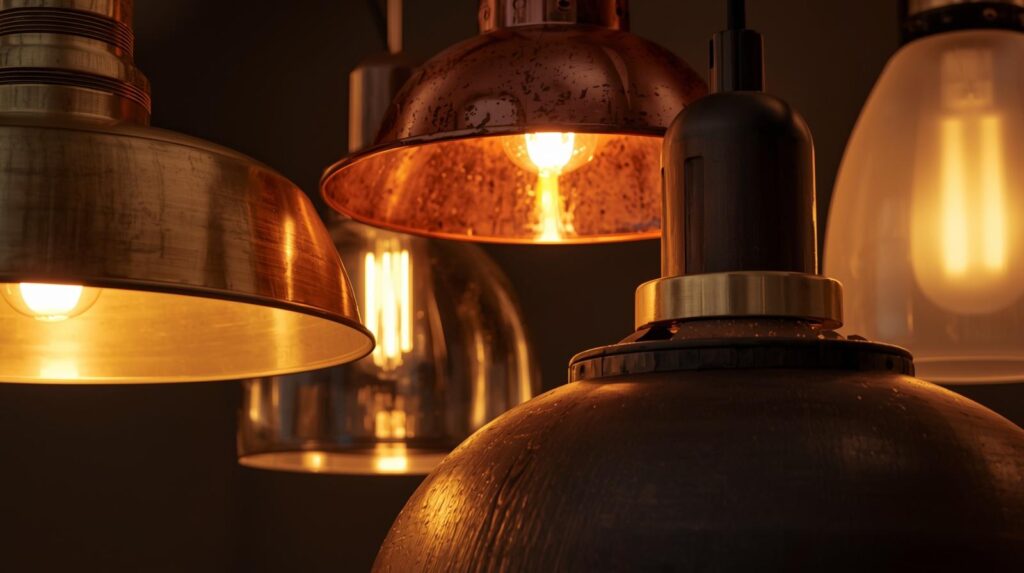
The materials used in retro pendants contribute significantly to their character and appeal.
Glass
Glass appears in countless retro pendants, from simple globes to elaborate hand-blown creations. Opaline glass, with its milky translucence, softens light beautifully. Clear glass allows the bulb to become part of the design. Colored glass adds period authenticity and decorative punch. Textured glass, whether ribbed, swirled, or patterned, creates visual interest even when unlit.
Quality varies enormously. Vintage glass often has subtle imperfections, bubbles, and variations that add character. New glass tends to be more uniform, which some prefer for its clean appearance.
Metal
Metal forms the structure of most retro pendants, whether visible as the primary material or hidden within. Enameled metal in bright colors captures the optimism of the 1950s and 60s. Polished brass and chrome add glamour. Painted finishes in black or white recede, letting form take center stage. Aged and patinated metals appeal to those seeking vintage authenticity.
The quality of metalwork matters significantly. Well-made pendants have smooth edges, secure joins, and durable finishes that will last for decades. Cheaper versions may show poor workmanship that becomes obvious over time.
Wood
Wood appears in retro pendants influenced by Scandinavian and organic modern design. Molded plywood, shaped into compound curves, demonstrates the material’s expressive potential. Solid wood, whether turned on lathes or carved by hand, adds warmth and natural beauty. Wood pendants work particularly well in spaces with other natural materials.
Plastic and Fiberglass
New materials enabled new forms. Fiberglass, molded into complex curves, produced pendants impossible in traditional materials. Plastic, in colors and transparencies, added possibilities for lightness and color. These materials, once revolutionary, now carry their own vintage appeal.
Incorporating Retro Pendants in Contemporary Spaces
Retro pendant lights work beautifully in a wide range of contemporary settings, from period-authentic rooms to thoroughly modern spaces.
As Statement Pieces
A striking retro pendant can serve as a room’s focal point, drawing the eye and establishing design credentials. A Sputnik chandelier over a dining table, a cluster of colored globes in a stairwell, an industrial factory pendant in a minimalist living room, these fixtures command attention while providing essential illumination.
When a pendant makes this kind of statement, surrounding elements should be simpler, allowing it to shine. Neutral walls, understated furniture, and minimal accessories let the fixture take center stage.
In Period-Inspired Rooms
For those who love mid-century design, retro pendants help create authentic period rooms. Combine with furniture from the same era, an Eames lounge chair, a Wegner dining table, a Nelson bench, for cohesive period looks. Use period-appropriate color palettes and materials throughout. The result transports you to the golden age of modern design.
As Contrast in Contemporary Spaces
Retro pendants also work beautifully as contrast in thoroughly contemporary spaces. The organic curves of a teardrop pendant soften the hard edges of minimalist architecture. The warm glow of milk glass adds softness to an all-white room. The industrial honesty of a factory pendant grounds sleek, modern furnishings. This juxtaposition of old and new creates dynamic, interesting interiors.
In Eclectic Settings
Retro pendants shine in eclectic spaces that mix periods and styles. A Sputnik pendant works alongside contemporary furniture, traditional pieces, and global artifacts. The key lies in finding common threads, perhaps in color, material, or scale, that unite disparate elements. The pendant becomes part of a collected, personal composition rather than a period piece in a period room.
Choosing the Right Retro Pendant
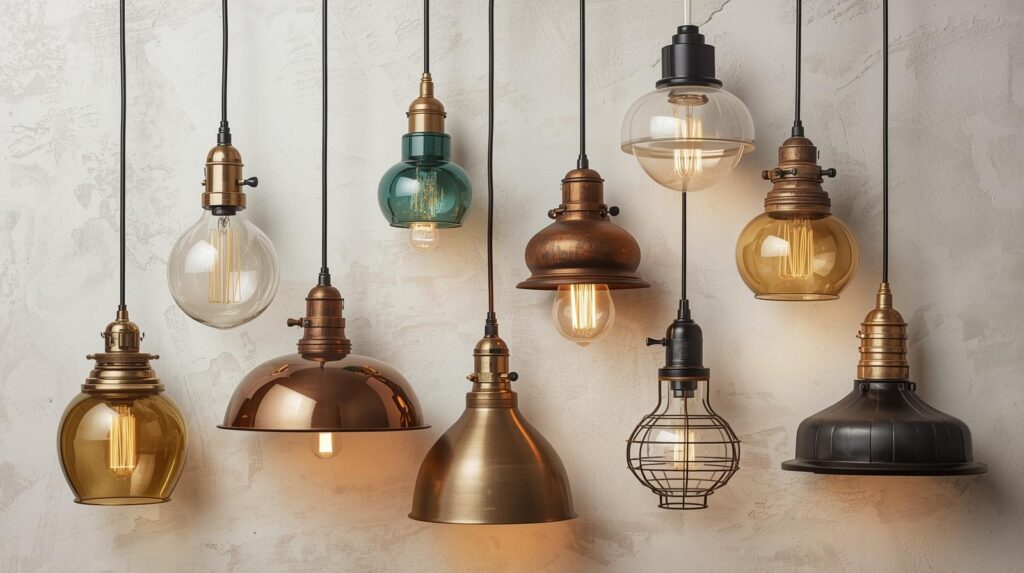
Selecting the perfect retro pendant involves several considerations beyond mere appearance.
Scale and Proportion
Size matters enormously. A pendant too small for its space looks insignificant; one too large overwhelms. As a general rule, the diameter of a pendant in inches should be roughly one-third to one-half the width of the table or island it illuminates. For open spaces without furniture anchors, consider the room’s overall dimensions and the pendant’s visual weight.
Height placement affects both function and appearance. Over dining tables, pendants typically hang 30 to 36 inches above the surface. Over kitchen islands, 28 to 34 inches allows adequate clearance while providing task lighting. In open spaces, consider sight lines and how the pendant will be viewed from different angles.
Light Quality
Consider what kind of light you need. Clear glass pendants provide direct, somewhat harsh illumination. Opaline and milk glass diffuse light softly. Open-bottom cones direct light downward while leaving the top dark. Some pendants are designed primarily for ambient light, others for task illumination.
Bulb choice affects light quality significantly. Warm color temperatures (2700K-3000K) flatter most spaces. Dimmers allow adjustment for different activities and moods. LED bulbs offer energy efficiency and long life; choose ones with good color rendering (90+ CRI) for the best light.
Number and Arrangement
Multiple pendants together create different effects than singles. A row of matching pendants over a kitchen island provides even task lighting while making a design statement. A cluster of varied pendants at different heights creates sculptural interest. Consider how many you need and how they’ll relate to each other and the space.
Authentic Vintage vs. Quality Reproduction
The choice between authentic vintage and quality reproduction involves several factors. Vintage pendants carry history, character, and the patina of age. They may require rewiring and careful handling. Their value may appreciate over time.
Quality reproductions offer the look with modern electrical components, consistent finishes, and often lower prices. They may be more readily available in desired quantities and styles. The choice depends on your priorities, budget, and tolerance for the uncertainties of vintage sourcing.
Caring for Retro Pendant Lights
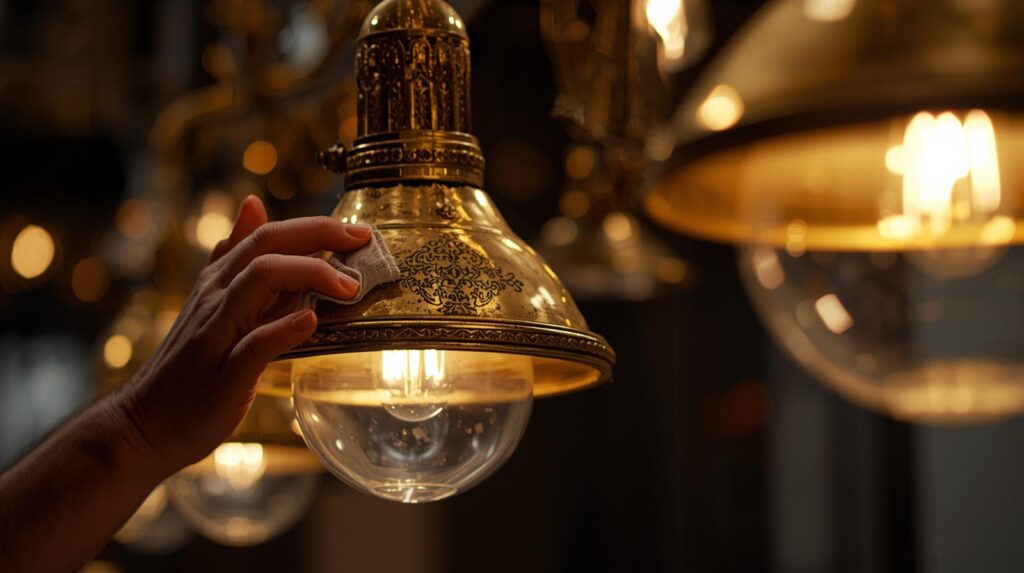
Proper care ensures your retro pendants remain beautiful for years.
For vintage pendants, professional assessment of electrical systems is essential. Original wiring may be deteriorated or inadequate for modern use. Qualified electricians can rewire safely while preserving original components where possible.
Cleaning methods depend on materials. Glass benefits from gentle cleaning with appropriate products; avoid abrasives that could scratch. Metal finishes require care appropriate to the specific material; research before applying any cleaner. Wood should be dusted regularly and conditioned occasionally with appropriate products.
Regular dusting prevents buildup that dims light output. For glass pendants, occasional washing with mild soap and water restores clarity. Ensure fixtures are completely dry before restoring power.
Conclusion: The Enduring Appeal of Retro Pendants
Retro pendant lights have endured for good reason. They represent high points of design achievement, objects where form and function achieve perfect balance. They capture the optimism and creativity of an era that believed design could improve daily life. And they continue to illuminate our homes with beauty that transcends trends and generations.
Whether you acquire an authentic vintage piece with decades of history or a quality new version of a classic design, a retro pendant brings something special to your space. It provides not just light but a connection to design heritage, a sculptural presence, and a daily reminder that ordinary objects can be extraordinary when thoughtfully designed.
As you consider adding retro pendants to your home, take time to understand the options, to appreciate the history behind the designs, and to choose pieces that truly speak to you. The right pendant will reward you not just with beautiful light but with enduring satisfaction, a design companion for years of living well.