Range Hood Ideas: Transforming a Functional Necessity into a Design Statement
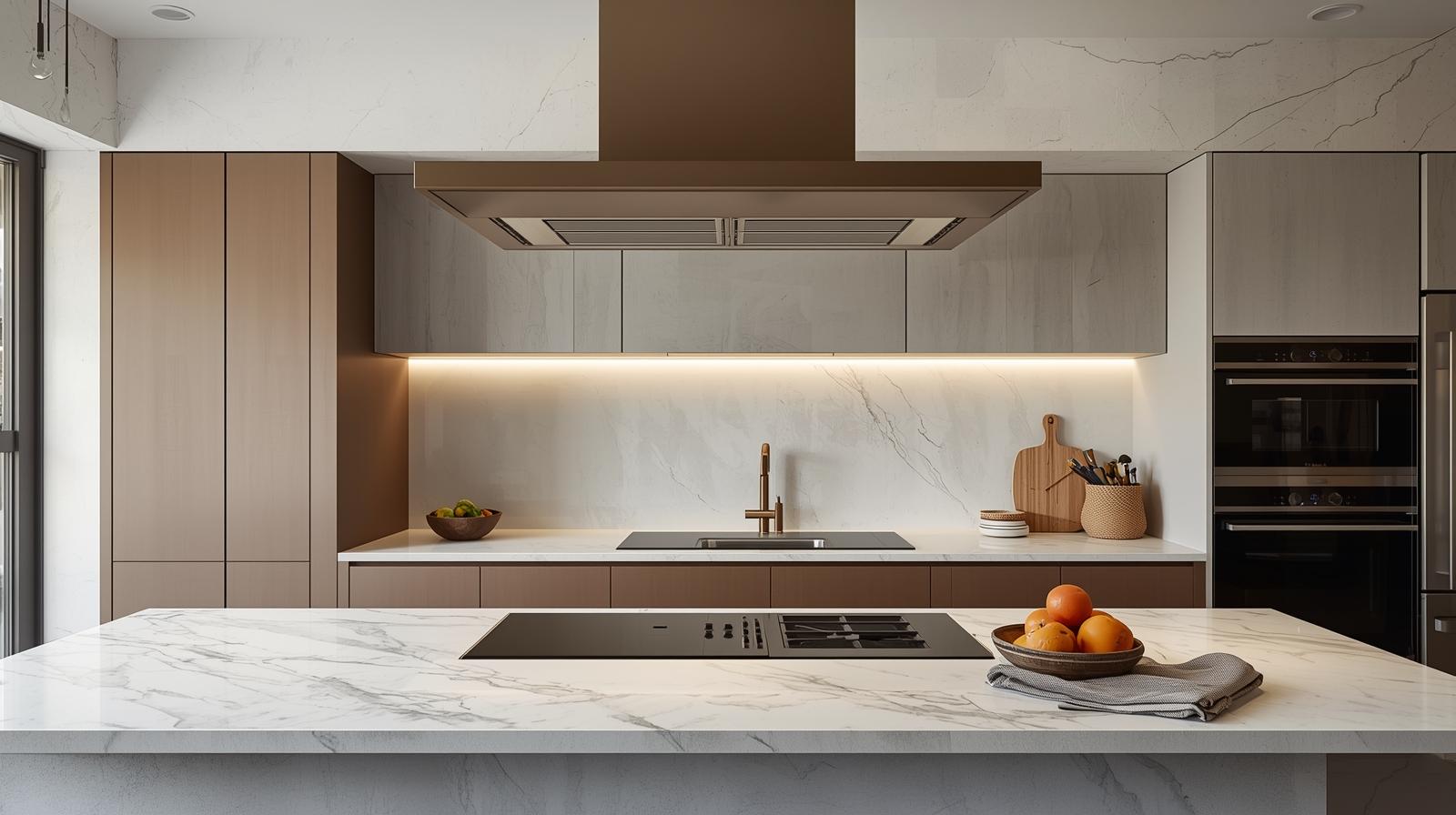
There was a time when range hoods were purely functional appliances, hidden away or designed to be as unobtrusive as possible. They removed smoke, steam, and cooking odors, and that was their only job. Today, the range hood has evolved into one of the kitchen’s most significant design elements. It can be a sculptural statement that anchors the entire room, a seamless integration that virtually disappears, or a stylish accent that adds personality to your cooking space. Whether you are planning a complete kitchen renovation or simply updating your current space, the range hood offers an opportunity to express your style while serving its essential function. This comprehensive guide explores range hood ideas across every style and configuration, helping you choose the perfect hood for your kitchen.
The Importance of Range Hood Function
Before diving into design ideas, it is essential to understand what range hoods actually do and why function must never be sacrificed for form.
Ventilation Matters
A range hood’s primary job is removing pollutants generated during cooking. These include smoke, steam, grease, odors, and potentially harmful combustion byproducts from gas ranges. Proper ventilation protects your health, your kitchen surfaces, and your indoor air quality.
There are two main types of range hoods: ducted and ductless. Ducted hoods vent air outside your home, which is the most effective option. Ductless hoods filter air and recirculate it back into the kitchen. While better than nothing, they are less effective at removing heat and moisture.
Sizing and Power
A range hood should be appropriately sized for your cooking surface. As a general rule, the hood should be at least as wide as your cooktop or range, and preferably slightly wider. For island installations, wider is even more important.
Power is measured in cubic feet per minute. The general recommendation is that your hood should be capable of exchanging the air in your kitchen 15-20 times per hour. For a professional-style range, higher CFM ratings are necessary.
Noise Considerations
Powerful hoods can be noisy. Look for models with sound ratings, measured in sones, to understand what to expect. Many modern hoods offer variable speed settings, allowing quieter operation for everyday cooking and maximum power when needed.
Wall-Mounted Range Hood Ideas
Wall-mounted range hoods attach to the wall above a cooktop or range placed against a wall. This classic configuration offers numerous design possibilities.
Chimney Style Hoods
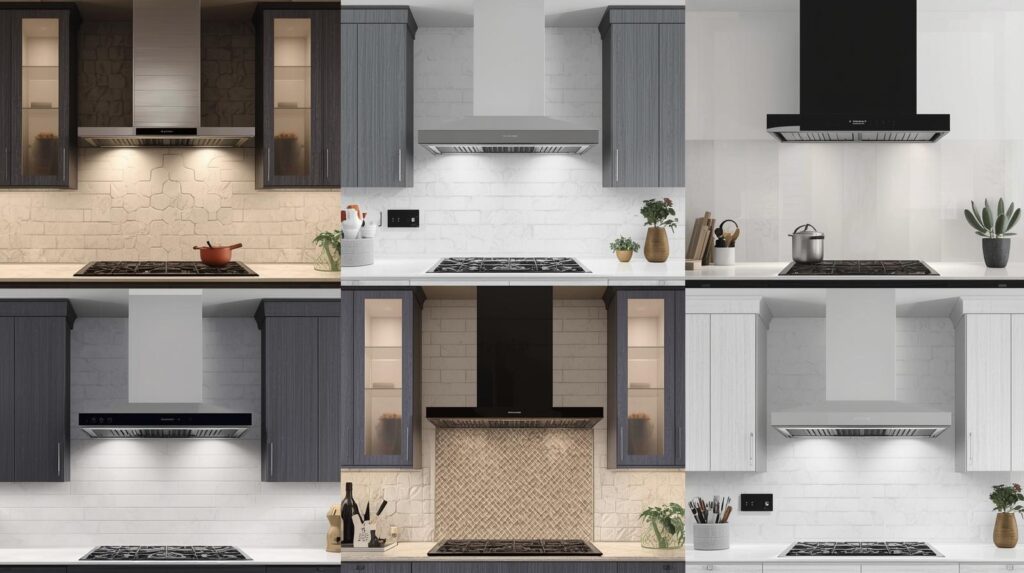
Chimney-style hoods feature a canopy above the cooking surface connected to a chimney that rises to the ceiling. These hoods make dramatic statements, particularly in professional-style kitchens. Available in stainless steel, copper, or painted finishes, they can be sleek and modern or ornate and traditional.
The chimney can be concealed within cabinetry for a built-in look, or left exposed to make a design statement. Some models feature glass canopies that add lightness while maintaining function.
Under-Cabinet Hoods
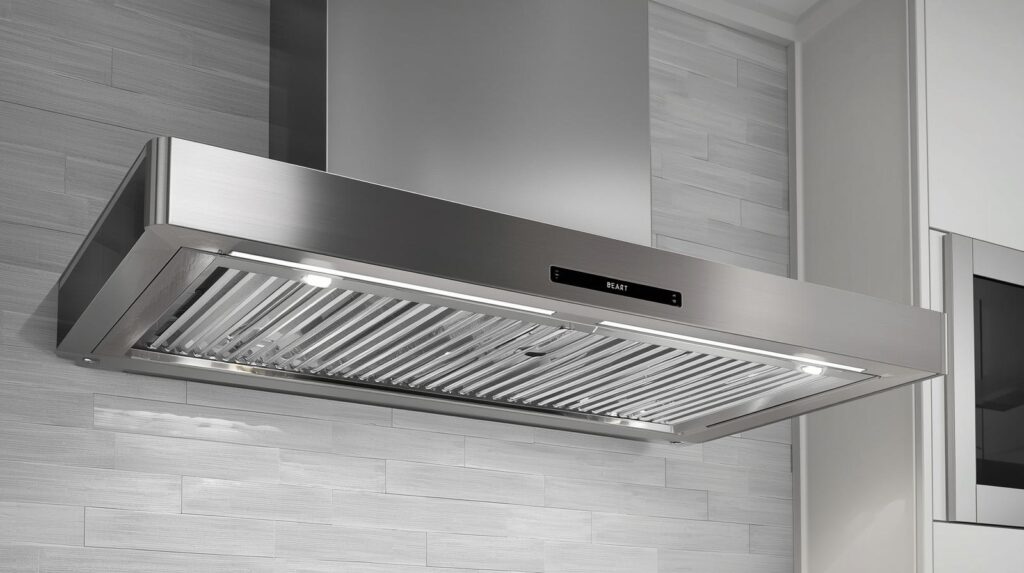
Under-cabinet hoods mount directly beneath a cabinet, saving space and creating a streamlined look. These are the most common type of range hood and work well in kitchens where the range is installed against a wall with cabinets above.
While typically more modest in design, under-cabinet hoods have evolved significantly. Many now feature sleek stainless steel, glass accents, and even integrated lighting that enhances both function and appearance. Some can be fitted with custom panels that match your cabinetry for a completely integrated look.
Decorative Canopy Hoods
For those who want their hood to be a focal point, decorative canopy hoods offer endless possibilities. These hoods feature decorative surrounds, often made of materials like copper, stone, or tile, that transform a functional appliance into a work of art.
A copper hood develops beautiful patina over time, adding warmth and character. A tile-covered hood can echo your backsplash or introduce complementary pattern and color. A custom wood hood adds warmth and craftsman character. These hoods become conversation pieces that anchor the entire kitchen design.
Island Range Hood Ideas
When your cooktop is located on an island, the range hood must be suspended from the ceiling, creating a freestanding sculptural element.
Statement-Making Island Hoods
Island hoods offer unparalleled opportunities for dramatic design. Suspended in the center of the kitchen, they cannot be ignored and must be beautiful from all angles. Many designers use island hoods as the kitchen’s focal point, designing the entire room around them.
Materials range from sleek stainless steel to warm wood to matte black. Shapes vary from simple rectangles to curved organic forms to geometric statements. Some island hoods feature glass sides that maintain openness while providing function. Others are completely enclosed, creating substantial visual weight.
Linear and Rectangular Designs
Clean, rectangular island hoods suit modern and contemporary kitchens. Their simple forms recede visually, allowing other elements to shine, while still providing essential function. Linear hoods, which are longer than they are tall, create horizontal lines that can make ceilings feel higher.
These hoods work particularly well in minimalist kitchens where clean lines dominate. In stainless steel, they add professional kitchen character. In painted finishes, they can match or contrast with cabinetry.
Curved and Organic Forms
For softer, more sculptural statements, curved island hoods offer organic beauty. These hoods feature rounded forms that catch light and create visual interest from every angle. They work beautifully in transitional and contemporary kitchens, adding softness to hard surfaces.
Some curved hoods are completely enclosed, appearing as sculptural forms suspended from the ceiling. Others feature curved glass that maintains openness while directing smoke and steam effectively.
Wood-Clad Island Hoods
Wood-clad hoods add warmth and natural beauty to island installations. The wood can match your cabinetry for seamless integration, or contrast with surrounding finishes for visual interest. Wood softens the industrial character of kitchen appliances and adds organic warmth.
Different wood species create different effects. Light woods like maple and ash keep spaces bright and airy. Medium woods like cherry and walnut add warmth and richness. Dark woods like mahogany create dramatic, substantial statements.
Insert Range Hood Ideas
Insert hoods are designed to be concealed within custom cabinetry, creating a seamless, integrated look.
Custom Cabinet Integration
Insert hoods consist of the functional mechanism only, without any decorative exterior. They are designed to be installed within a custom cabinet surround that matches your kitchen cabinetry. The result is a range hood that virtually disappears, maintaining clean sight lines and uninterrupted cabinetry.
This approach works beautifully in traditional and transitional kitchens where seamless cabinetry is desired. The hood cabinet can feature doors that close when the hood is not in use, completely concealing the appliance. When cooking, the doors open to allow function.
Minimalist Approach
For those who prefer appliances to recede rather than assert themselves, insert hoods offer the ultimate minimalist solution. The focus remains on cabinetry and countertops, with the hood playing a supporting role rather than starring.
Design Flexibility
Because the surround is custom-built, insert hoods offer unlimited design flexibility. The cabinet can match your existing cabinetry exactly, creating seamless flow. Or it can be designed as a feature, perhaps with glass doors or open shelving flanking the hood.
Downdraft Range Hood Ideas
Downdraft hoods rise from the counter behind the cooktop rather than hanging from above. These offer solutions for situations where overhead hoods are impractical or undesirable.
Invisible When Not Needed
Downdraft hoods retract flush with the counter when not in use, completely disappearing from view. This creates clean, uninterrupted sight lines that are impossible with overhead hoods. When cooking, they rise to capture smoke and steam.
Perfect for Islands and Peninsulas
Downdraft hoods work particularly well on islands and peninsulas where overhead hoods might block views or create visual obstruction. They allow open concept kitchens to maintain sight lines while still providing ventilation.
Design Considerations
Downdraft hoods are generally less effective than overhead hoods at capturing rising smoke and steam. They work best with electric cooktops and for lighter cooking. For heavy-duty cooking or gas ranges, overhead ventilation is typically more effective.
Materials and Finishes
The material of your range hood significantly affects both its appearance and its place in your kitchen design.
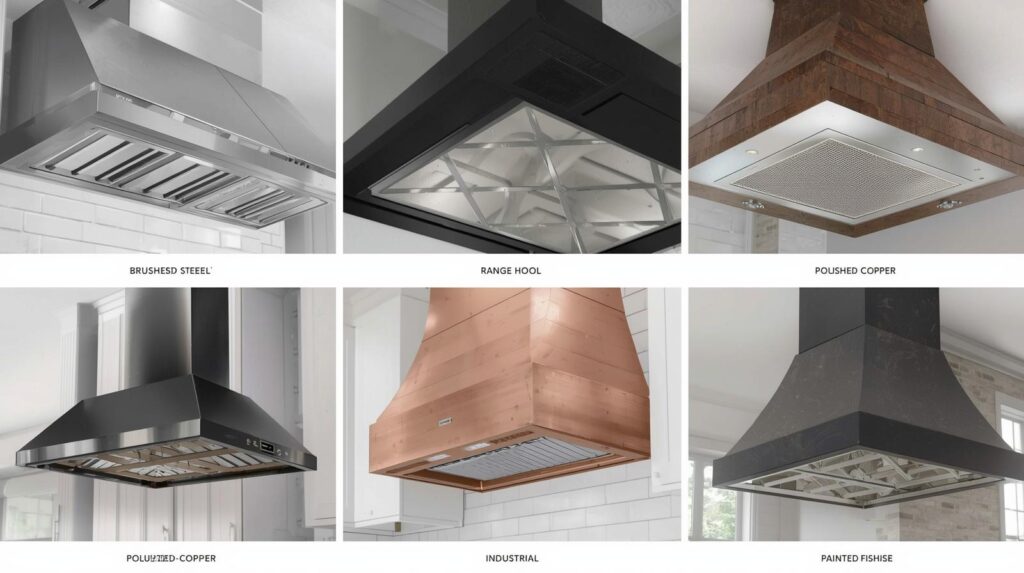
Stainless Steel
Stainless steel remains the most common range hood material for good reason. It is durable, easy to clean, and suits virtually any style from professional to modern to transitional. Stainless steel reflects light, adding brightness to kitchens. It coordinates with stainless steel appliances for cohesive look.
Different finishes are available, from brushed to polished to matte. Brushed stainless steel hides fingerprints and shows less wear. Polished stainless steel adds glamour but requires more maintenance. Matte stainless steel offers a softer, more contemporary look.
Copper
Copper hoods add warmth, richness, and living finish to kitchens. Over time, copper develops patina, darkening and changing color in ways that add character. Some homeowners love this natural aging; others prefer to maintain the bright, new look with regular polishing.
Copper works beautifully in traditional, rustic, and industrial kitchens. It pairs wonderfully with wood, stone, and other natural materials. The warm tones complement many color schemes.
Wood
Wood-clad hoods add natural warmth and craftsmanship to kitchens. They can match existing cabinetry for seamless integration, or contrast for visual interest. Wood softens the hard surfaces common in kitchens and adds organic texture.
Different wood species create different effects. Light woods keep spaces bright; dark woods add drama. Reclaimed wood adds character and environmental responsibility. The wood must be properly sealed to withstand heat and moisture.
Painted Finishes
Painted hoods allow complete customization. They can match cabinetry exactly for seamless integration, or contrast for bold statements. Black hoods add drama and sophistication. White hoods recede visually. Colorful hoods become focal points.
Quality paint finishes are durable and easy to clean. They allow the hood to blend with surrounding cabinetry in ways that metal cannot.
Stone and Tile
For truly custom looks, hoods can be clad in stone or tile. A stone hood adds permanence and luxury, anchoring the kitchen with natural beauty. A tile hood can echo backsplash patterns or introduce new colors and textures.
These materials require professional installation and proper sealing to withstand kitchen conditions. The result is a one-of-a-kind feature that transforms the hood from appliance to architectural element.
Style-Specific Range Hood Ideas
Different kitchen styles call for different approaches to range hood design.
Modern and Contemporary Kitchens
Modern kitchens call for clean lines and minimal ornamentation. Sleek stainless steel hoods with simple forms work beautifully. Linear island hoods create horizontal emphasis. Glass accents add lightness. Matte finishes offer softer contemporary alternatives to traditional stainless steel.
In contemporary spaces, the hood may be designed as a sculptural element, its form contributing to the room’s artistic character. Curved hoods, asymmetrical designs, and unexpected materials all have place in contemporary design.
Traditional Kitchens
Traditional kitchens benefit from hoods that complement period architecture. Decorative canopy hoods with moldings and details echo traditional cabinetry. Wood hoods that match surrounding cabinets create seamless integration. Copper hoods add warmth and age beautifully.
Insert hoods concealed within custom cabinetry maintain the clean, furniture-like appearance of traditional kitchens. The hood becomes part of the cabinetry rather than a separate appliance.
Farmhouse and Rustic Kitchens
Farmhouse kitchens call for hoods with rustic character. Wood hoods, whether reclaimed or new, add warmth and authenticity. Copper develops beautiful patina that suits rustic aesthetics. Stone hoods ground the space with natural permanence.
Decorative hoods with simple, honest forms suit farmhouse style. Avoid sleek, modern designs in favor of those with traditional character. The hood should look like it belongs in a farmhouse, even if the kitchen is brand new.
Industrial Kitchens
Industrial kitchens celebrate utilitarian aesthetics. Stainless steel hoods with exposed rivets and welds add authentic industrial character. Large, powerful-looking hoods suit the style. Simple, no-nonsense designs work best.
Combine with exposed brick, concrete floors, and metal accents for cohesive industrial look. The hood should look like it means business, not like it’s trying to be pretty.
Lighting Integration
Many range hoods now incorporate lighting, adding function and ambiance.
Task Lighting
Integrated task lighting illuminates the cooking surface below, essential for safe, efficient food preparation. LED lights are energy-efficient and long-lasting. Adjustable lighting allows direction where needed.
Ambient Lighting
Some hoods feature ambient lighting that adds warmth and atmosphere. Under-hood lighting can create soft glow. Backlit panels add drama. These lighting elements make the hood contribute to the kitchen’s overall illumination scheme.
Decorative Lighting
In some designs, lighting becomes part of the hood’s decorative statement. Glass panels with internal lighting, lit shelving within the hood surround, or dramatic fixtures integrated into the hood design all add personality and function.
Conclusion: The Hood as Design Opportunity
The range hood has evolved from purely functional appliance to significant design element. Today’s options allow you to choose a hood that not only performs essential ventilation but also contributes to your kitchen’s aesthetic in meaningful ways.
Whether you prefer a sleek stainless statement, a warm wood accent, a seamless integrated insert, or a sculptural island feature, your range hood can express your style while serving its essential function. The key lies in balancing design aspirations with practical considerations of size, power, and effectiveness.
As you plan your kitchen, give the range hood the attention it deserves. Consider it not as an afterthought but as an integral part of your design. The right hood will serve you well for years, removing smoke and steam while adding beauty to the heart of your home.