Minimalist Bedroom Ideas: Creating Calm Through Simplicity
There is something profoundly peaceful about a minimalist bedroom. In a world that constantly demands our attention, bombards us with information, and fills our lives with accumulated stuff, the minimalist bedroom offers a refuge of calm and clarity. This is not merely a design aesthetic but a philosophy that recognizes the connection between our physical environment and our mental state. By stripping away the non-essential, minimalist design creates space for what truly matters: rest, renewal, and peace of mind. A minimalist bedroom is not empty or cold but thoughtfully edited, with every element earning its place through beauty or function. This comprehensive guide explores the principles and practices of creating a minimalist bedroom that nurtures relaxation and restful sleep.
Understanding Minimalist Design Philosophy
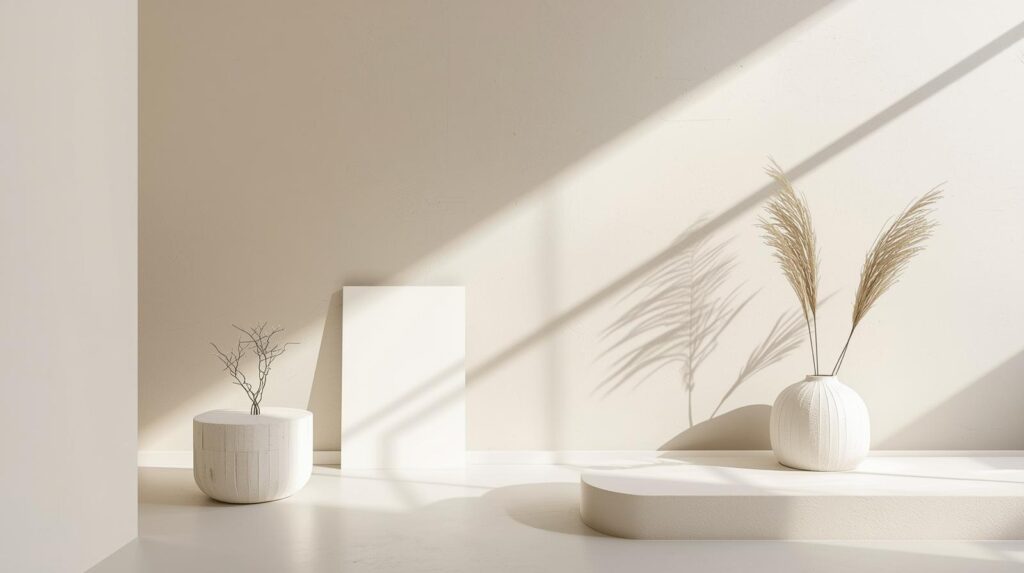
Before diving into specific design elements, it is essential to understand what minimalism truly means in the context of bedroom design. Minimalism is often misunderstood as starkness or deprivation, but authentic minimalism is about intentionality rather than emptiness.
At its core, minimalism asks a simple question about every object in your space: does this add value to my life? Objects that serve a purpose or bring genuine joy remain; objects that merely accumulate clutter are released. This editing process creates space, both physical and mental, for what truly matters.
In the bedroom, this philosophy proves particularly appropriate. This is a space for rest and restoration, activities that require calm and clarity. A cluttered environment creates visual noise that competes for our attention even when we are trying to relax. By reducing visual stimulation, minimalist design supports the bedroom’s primary function of promoting restful sleep.
Minimalism also emphasizes quality over quantity. Rather than many mediocre objects, a minimalist bedroom features fewer, better things. A well-crafted bed, beautiful bedding, and a few carefully chosen accessories create more satisfaction than a room filled with lesser items. This approach often costs more initially but provides greater long-term satisfaction and actually saves money over time through reduced consumption.
The Minimalist Color Palette
Color sets the foundation for minimalist design, creating calm, cohesive spaces that promote relaxation. The minimalist palette favors neutrals and muted tones that recede rather than demand attention.
White stands as the quintessential minimalist color. Clean, crisp, and pure, white walls create an infinite backdrop that makes rooms feel larger and brighter. White also reflects light beautifully, maximizing natural illumination and reducing the need for artificial lighting during daytime hours. In a minimalist bedroom, white need not be stark; warm whites with subtle undertones add depth while maintaining the fresh quality essential to the aesthetic.
Cream and ivory offer softer alternatives to pure white, bringing warmth without compromising the minimalist palette. These gentle neutrals create cozy, enveloping spaces that feel nurturing and calm. Cream walls with white trim provide subtle contrast while maintaining the light, airy quality essential to minimalist design.
Gray provides sophisticated neutrality that works beautifully in minimalist bedrooms. From pale silver to soft charcoal, gray offers endless possibilities for creating calm, restful spaces. Warm grays with brown undertones create cozy atmospheres, while cooler grays contribute to crisp, clean aesthetics. The key lies in choosing grays with sufficient warmth to feel welcoming rather than clinical.
Beige and greige, the blend of gray and beige, offer additional neutral options that bring warmth without introducing color. These versatile shades bridge the gap between white and darker elements, creating smooth transitions and visual cohesion. In a minimalist bedroom, these neutrals provide excellent backdrops for carefully chosen accents.
Black appears sparingly but purposefully in minimalist design. Used as an accent rather than a dominant color, black provides contrast and definition. Black window frames, light fixtures, or picture frames create graphic interest against pale backgrounds, anchoring the space and preventing it from feeling washed out.
Essential Furniture: Less but Better
Furniture in a minimalist bedroom follows the principle of “less but better.” Each piece should earn its place through quality construction, beautiful design, and essential function.
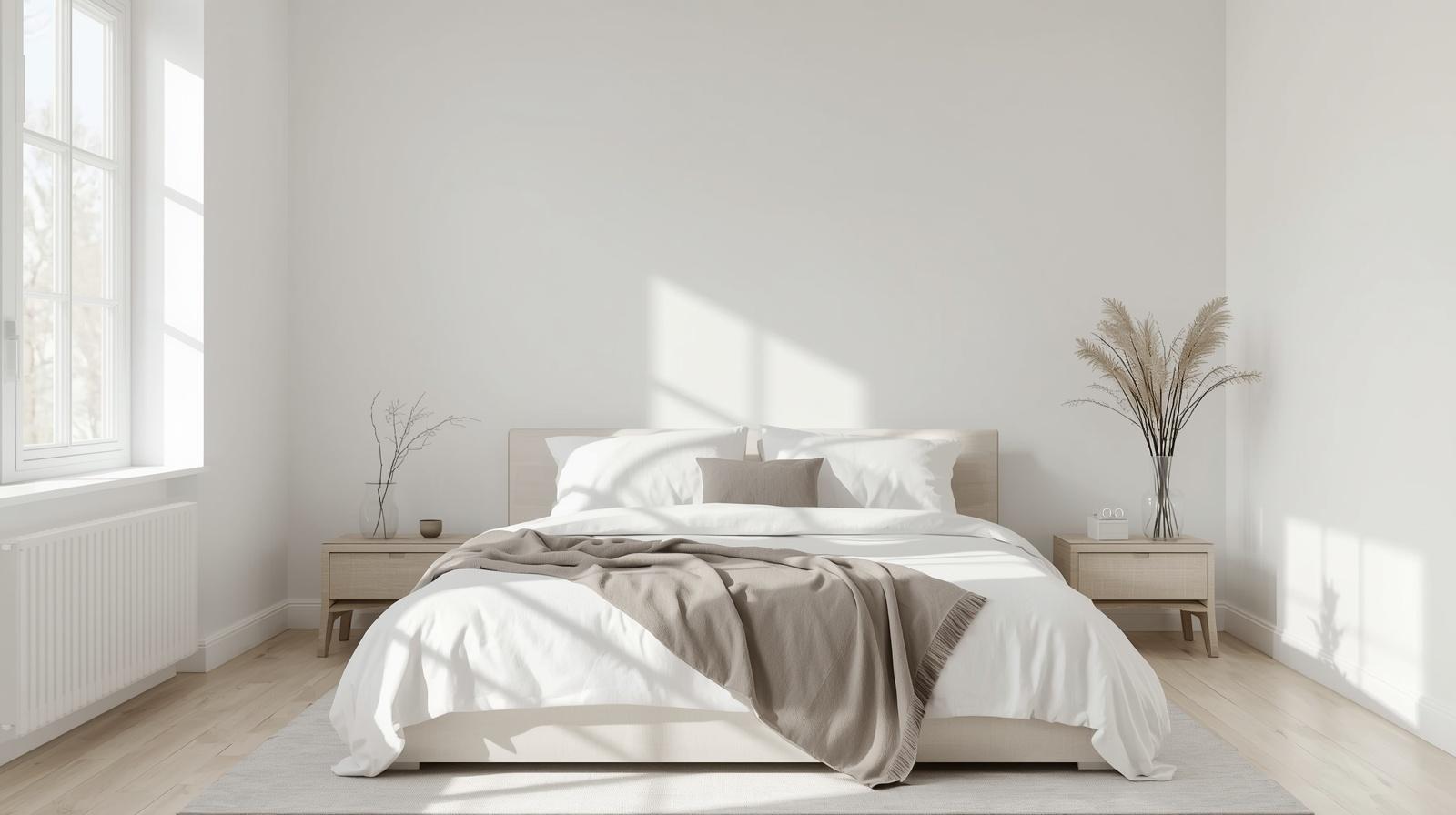
The bed naturally serves as the focal point and should receive primary attention. In a minimalist bedroom, the bed itself should be simple and unadorned, letting quality materials and clean lines speak for themselves. Platform beds with low profiles create modern minimalism, while simple upholstered beds add softness without ornamentation. Wood beds in light or medium tones bring warmth and natural beauty. Whatever style you choose, ensure the bed is well-made and appropriately scaled for your room.
The mattress quality directly affects your sleep and deserves investment. A comfortable, supportive mattress in an appropriate size ensures restful nights. In a minimalist bedroom, the bed is not just a piece of furniture but the room’s entire purpose, making quality essential.
Nightstands provide necessary surface space for a lamp, book, and perhaps a glass of water. In a minimalist bedroom, choose simple designs with clean lines and possibly a single drawer for hidden storage. Floating nightstands mounted to the wall create an airy, uncluttered look while providing essential function. Matching nightstands create symmetrical calm, while a single nightstand suffices for solo sleepers.
Storage should be sufficient but concealed. A dresser or chest of drawers provides space for clothing and personal items without contributing to visual clutter. Choose pieces with simple fronts and minimal hardware, perhaps in materials that complement your bed. Built-in storage, where possible, maximizes function while minimizing visual impact.
A simple bench at the foot of the bed provides a place to sit while dressing and adds visual weight that anchors the bed’s composition. Choose a design with clean lines and minimal ornamentation, perhaps in wood or simple upholstery.
Minimalist Bedding and Linens
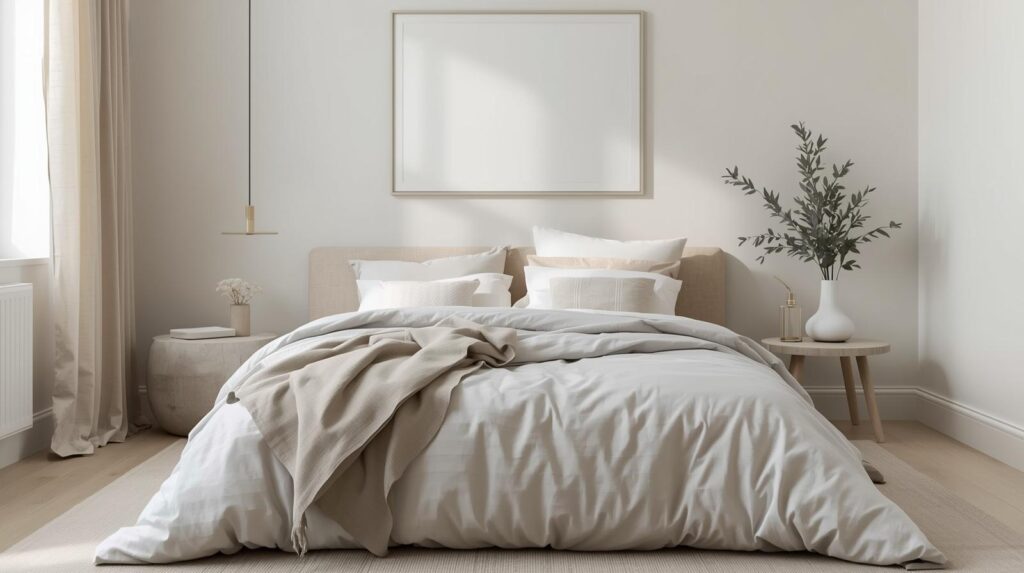
Bedding plays an enormous role in both the look and feel of a minimalist bedroom. Quality materials, simple colors, and thoughtful layering create a bed that is both beautiful and supremely comfortable.
High-quality sheets form the foundation of minimalist bedding. Invest in the best natural fibers you can afford, whether long-staple cotton, linen, or bamboo. High thread counts in cotton provide softness and durability, while linen offers relaxed elegance and exceptional breathability. White sheets are the most minimalist choice, though cream and light gray also work beautifully.
Layered bedding creates depth and visual interest without introducing pattern or color. Start with a quality mattress protector, then fitted and flat sheets. Add a lightweight blanket in a natural fiber for warmth and texture. Top with a beautiful duvet or coverlet in a solid color that complements your palette. The result is a bed that looks inviting and provides adjustable warmth.
Pillows should be both comfortable and visually simple. Provide sleeping pillows in your preferred firmness, encased in white pillow protectors and shams. Add European shams against the headboard for visual depth, keeping them in the same neutral palette. Avoid excessive decorative pillows that must be removed at bedtime.
A throw blanket at the foot of the bed adds texture and warmth while contributing to the layered look. Choose a simple knit, woven, or quilted throw in a neutral tone that complements your bedding. This single accent adds visual interest without introducing pattern or color that might compete with the room’s calm.

Creating Calm Through Subtraction
Beyond choosing the right elements, minimalist design requires the courage to leave things out. Subtraction proves as important as addition in creating a truly minimalist bedroom.
Clear all surfaces of unnecessary objects. Nightstands should hold only essentials: a lamp, a book, perhaps a single small object of personal meaning. Dresser tops should be similarly clear, with maybe a tray for daily items and a single piece of art or a small plant. Visual clutter creates mental clutter, and clearing surfaces supports the calm essential to restful sleep.
Edit wall decor ruthlessly. A single piece of meaningful art makes more impact than a crowded gallery wall. Choose one piece that truly speaks to you and give it space to breathe. If you prefer multiple pieces, limit them to two or three and arrange them with generous negative space between.
Remove non-essential furniture. That extra chair that rarely gets used, the ottoman that mostly collects clutter, the small table that serves no clear purpose, all these can be removed to create breathing room. In a minimalist bedroom, empty space is not wasted but essential.
Conceal visual clutter behind closed doors. Clothing, personal items, and daily necessities belong in drawers and closets, not on display. Invest in organizational systems that keep these items tidy and accessible while maintaining the visual calm of the room.
Minimalist Window Treatments
Window treatments in a minimalist bedroom should balance light control, privacy, and aesthetic simplicity. Several approaches work beautifully within the framework.
Simple Roman shades in natural fabrics provide clean lines and excellent light control. When raised, they stack neatly at the top of the window, maintaining clean sight lines. Choose linen, cotton, or bamboo in neutral tones that complement your palette. For maximum minimalism, select shades without visible cords or with cordless operation.
Roller shades offer the ultimate in simplicity. A single panel of fabric rolls up neatly when not needed, disappearing almost entirely. Modern roller shades come in light-filtering and blackout options, allowing you to choose the level of darkness you prefer for sleep. Motorized operation eliminates cords entirely for the cleanest look.
Curtains, when used, should be simple and unfussy. Floor-length panels in linen or cotton, hung from simple rods, add softness while maintaining minimalist integrity. Choose curtains in solid colors that blend with your walls for maximum calm, or in a slightly lighter or darker shade for subtle contrast. Avoid patterns, valances, and elaborate hardware.
Leave windows uncovered where privacy allows and views are pleasant. Maximum natural light creates an airy, welcoming atmosphere that artificial light cannot replicate. Simple window trim in white or wood provides enough definition without curtains.
Minimalist Lighting Design
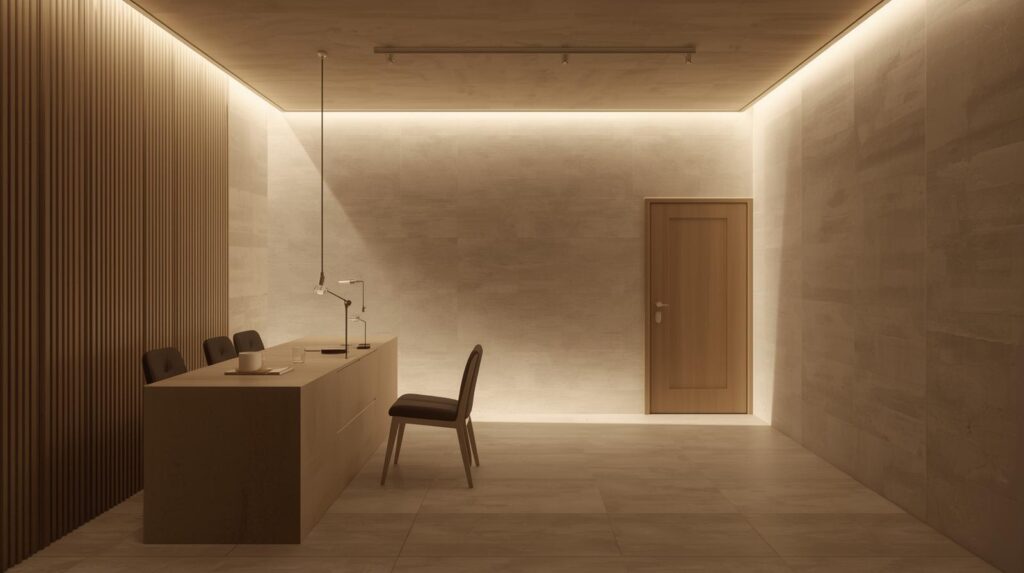
Lighting in a minimalist bedroom should be layered to accommodate different activities and times of day, but fixtures themselves should be simple and unobtrusive.
Natural light remains the most important light source. Maximize window exposure and keep window treatments minimal to admit daylight when desired. The connection to natural rhythms supports healthy sleep-wake cycles.
Bedside lighting provides essential task light for reading. Simple table lamps with clean bases and drum shades offer classic minimalist options. Swing-arm wall sconces save nightstand space while providing adjustable task lighting. Choose fixtures in finishes that complement your hardware, keeping lines simple and avoiding excessive ornamentation.
Overhead lighting should be on a dimmer switch to allow adjustment from bright to atmospheric. Recessed lights provide illumination without visual clutter, disappearing into the ceiling when not needed. A simple flush mount or semi-flush fixture in a minimalist design works beautifully if you prefer visible lighting. Choose fixtures with clean lines and minimal ornamentation.
Avoid decorative lighting that serves no practical purpose. In a minimalist bedroom, every element should earn its place, and purely decorative lights that provide no illumination violate this principle.
Minimalist Flooring Options
Flooring in a minimalist bedroom should be simple, natural, and unobtrusive, providing a calm foundation for other elements.
Hardwood floors in light to medium tones provide warmth and natural beauty without demanding attention. Wide-plank floors in oak, ash, or maple suit minimalist aesthetics beautifully. Choose finishes with minimal shine; matte or satin finishes reflect less light and feel more calm than high-gloss options.
Polished concrete floors, while more industrial, work in contemporary minimalist bedrooms. When warmed with area rugs and natural textiles, concrete provides clean, seamless surfaces that embody minimalist principles. Underfloor heating addresses the practical concern of cold concrete underfoot.
Natural fiber rugs add softness and texture without introducing pattern or color. Jute, sisal, and sea grass rugs provide durable, sustainable options that ground the space while maintaining minimalist integrity. Choose rugs large enough to define the bed area, extending beyond the bed’s sides and foot.
If you prefer carpet, choose a solid color in a neutral tone and install wall-to-wall for seamless calm. Avoid patterns and textures that create visual noise. High-quality carpet in a dense, low-pile construction provides durability and comfort while maintaining minimalist aesthetics.
The Power of Negative Space
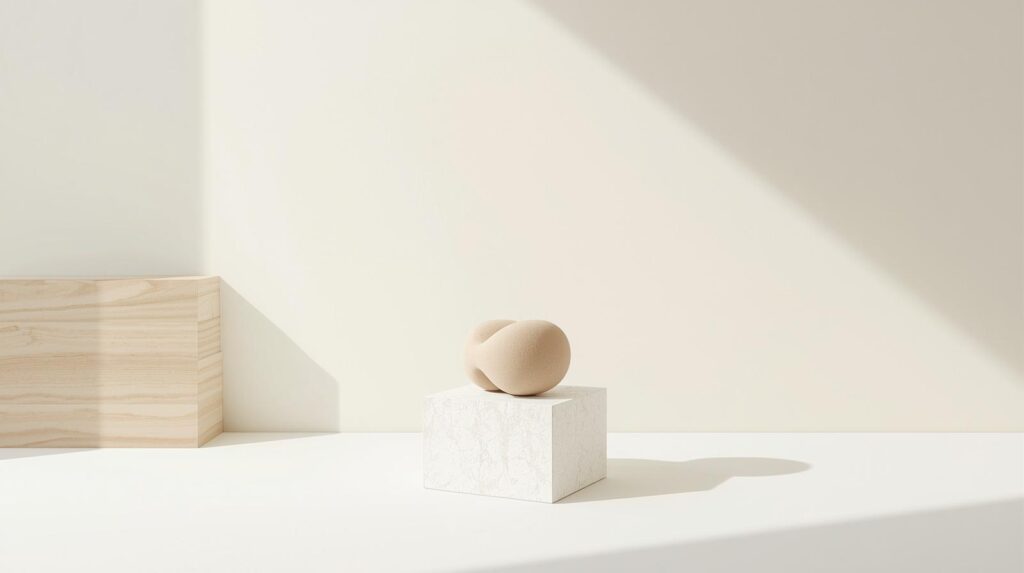
In minimalist design, empty space is not wasted but essential. Understanding and embracing negative space elevates minimalist bedrooms from merely simple to truly serene.
Leave wall space empty around art and furniture. A single piece of art needs room to breathe; crowding it with other elements diminishes its impact. The empty wall around a beautiful object becomes part of the composition, framing and highlighting what matters.
Allow space between furniture pieces. Furniture pushed together creates visual density that feels busy and cramped. Giving each piece room to stand alone creates a sense of calm order that supports relaxation.
Consider what you leave out as carefully as what you include. The empty nightstand top, the bare wall, the clear floor space, all contribute to the peaceful atmosphere essential to minimalist bedrooms. These empty areas are not neglected but intentionally preserved.
Minimalist Personal Touches
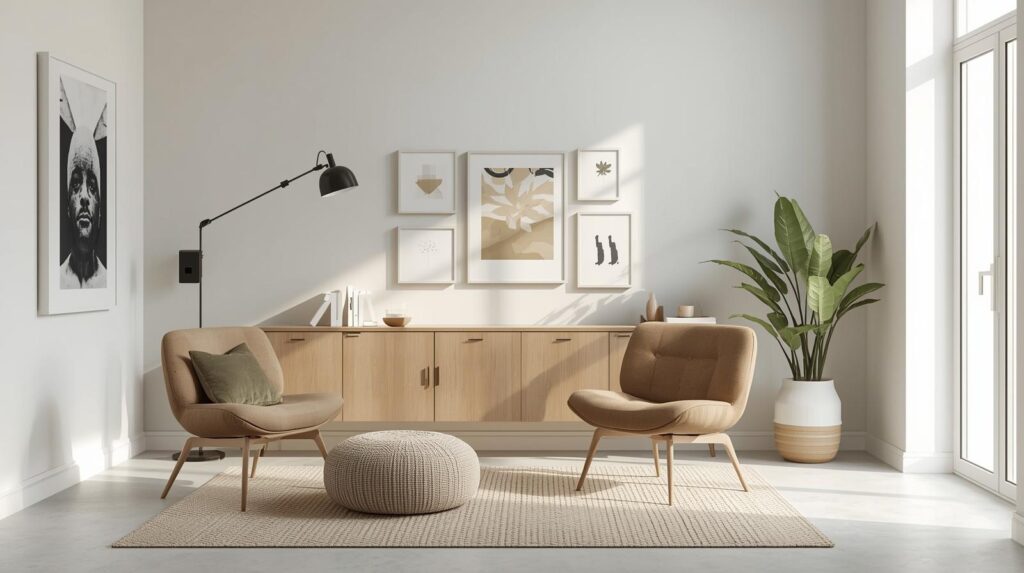
Minimalism does not mean eliminating personality. A few carefully chosen personal items add warmth and meaning without creating clutter. The key lies in selection and restraint.
Choose one or two meaningful objects to display. A photograph of a loved one in a simple frame, a small sculpture collected on travels, or a beautiful ceramic piece made by a friend all add personal connection without visual noise. Give each object space to be appreciated rather than crowding them together.
Plants bring life and organic beauty to minimalist bedrooms. A single well-chosen plant, perhaps a snake plant that thrives in low light or a peace lily that purifies air, adds color and vitality while connecting the space to nature. Choose one plant of appropriate scale rather than multiple smaller ones.
Books, if displayed, should be few and meaningful. A small stack of favorite books on a nightstand or shelf adds personality without clutter. Choose books with beautiful covers or personal significance, and limit the number to what you actually read or truly treasure.
Art should be meaningful rather than merely decorative. Choose pieces that genuinely speak to you, whether original works, quality prints, or even children’s drawings framed beautifully. A single meaningful artwork creates more impact than several merely attractive pieces.
Maintaining Minimalist Clarity
Creating a minimalist bedroom requires initial effort, but maintaining it requires ongoing mindfulness. Without conscious attention, clutter gradually accumulates, eroding the calm you have created.
Establish a daily reset routine. Make the bed each morning, return items to their designated places, and clear surfaces of anything that has accumulated. This five-minute practice maintains the visual calm that supports restful sleep.
Adopt a one-in-one-out policy for new acquisitions. When you bring something new into your bedroom, remove something existing. This discipline prevents gradual accumulation and ensures that every item in your space truly earns its place.
Regularly assess your space with honest eyes. Does every item still serve a purpose or bring joy? Have things accumulated since your last edit? Seasonal reviews allow you to maintain the thoughtful editing that defines minimalist spaces.
Conclusion: The Freedom of Less
A minimalist bedroom offers far more than a particular look. It provides a daily experience of calm and clarity, a space where rest is supported rather than undermined by visual noise. In our cluttered, demanding world, such a space is not a luxury but a necessity for genuine restoration.
The principles of minimalism extend beyond design to touch how we live. By choosing quality over quantity, intention over accumulation, and calm over stimulation, we create not just beautiful bedrooms but better lives. The freedom of less, it turns out, is the freedom to focus on what truly matters.
So embrace the discipline of editing, the courage of empty space, and the peace of simplicity. Create a minimalist bedroom that welcomes you at the end of every day, a true sanctuary where less truly becomes more. In this space of calm and clarity, you will find the rest and renewal that make all of life’s activities possible and meaningful.