March Crafts: Creative Projects to Welcome Spring
There is something about March that awakens the creative spirit. After months of winter’s indoor confinement, the longer days and hints of warmer weather inspire us to make things with our hands. March crafts capture the unique character of this transitional month, celebrating both the last gasps of winter and the first whispers of spring. From St. Patrick’s Day projects to spring flower crafts, from wind-inspired creations to activities that welcome the vernal equinox, March offers endless inspiration for makers of all ages and skill levels. Whether you are crafting with children, decorating your home, or simply seeking creative satisfaction, these March craft ideas will keep your hands busy and your spirits lifted throughout the month.

The Spirit of March Crafting
Before diving into specific projects, it is helpful to understand what makes March crafting unique. This month sits at a crossroads between seasons, offering opportunities to reflect on winter’s passage while anticipating spring’s arrival. March crafts can acknowledge this duality, incorporating both the cozy indoor feelings of winter and the fresh energy of emerging spring.
March also brings specific celebrations that inspire crafting. St. Patrick’s Day on the 17th offers rich visual vocabulary, shamrocks, rainbows, leprechauns, and all things green. The vernal equinox around the 20th provides themes of balance, renewal, and the return of light. Spring itself, gradually unfolding throughout the month, offers endless inspiration from emerging plants to returning birds.
For families, March crafts provide valuable activities during a month when weather often keeps children indoors but spring fever has already begun. Creative projects channel restless energy into productive making, keeping little hands busy and minds engaged. Many March crafts also yield decorations that brighten homes during this in-between season.
St. Patrick’s Day Crafts
St. Patrick’s Day dominates mid-March, offering countless craft opportunities for all ages.
Shamrock Crafts
The shamrock, Ireland’s enduring symbol, appears in countless craft variations. Simple paper shamrocks, cut from green construction paper and layered for dimension, make quick decorations. For more durability, trace shamrock shapes onto cardboard, cut out, and paint in varying shades of green. String them together for a festive garland across a mantel or doorway.
For younger children, shamrock stamping provides satisfying results with minimal frustration. Cut a shamrock shape from a potato or sponge, dip in green paint, and stamp onto paper or fabric. The slight imperfections add charm, and children love the process of stamping.
Salt dough shamrocks create lasting decorations or gifts. Mix flour, salt, and water to form dough, roll out, and cut shamrock shapes with cookie cutters or a knife. Bake until hard, then paint and seal. Add a ribbon for hanging as ornaments or gift tags.
Rainbow Crafts
Rainbows feature prominently in St. Patrick’s Day imagery, thanks to the legend of leprechauns hiding their gold at rainbow’s end. Rainbow crafts add color to March decorating while celebrating this beloved symbol.
Paper plate rainbows offer simple satisfaction. Cut a paper plate in half, then have children glue colored strips in rainbow order across the curved edge. Add cotton ball clouds at each end for dimension. These cheerful creations brighten windows and walls throughout March.
For more lasting rainbows, consider weaving construction paper strips in rainbow colors. Cut slits in a dark background paper, then weave colored strips through to create a rainbow effect. The weaving process develops fine motor skills while producing beautiful results.
Rainbow mobiles bring color and movement to any room. Cut rainbow-colored shapes from cardstock, attach strings of varying lengths, and hang from a branch or embroidery hoop. The mobile catches breezes and spins, spreading color throughout the space.
Leprechaun Crafts
Leprechauns, those mischievous Irish fairies, capture children’s imaginations and inspire playful crafts. Simple leprechaun puppets from paper bags provide hours of entertainment. Add a green hat, orange beard, and twinkling eyes, and children have a new friend for imaginative play.
For a craft that combines with St. Patrick’s Day tradition, create leprechaun traps. Using shoeboxes, craft supplies, and plenty of green, children can design traps to catch the elusive creatures. The night before St. Patrick’s Day, set the traps and see if any leprechaun mischief occurs (perhaps leaving small treats or turning milk green).
Leprechaun hats from paper cups make festive party decorations or wearable fun. Cover cups with green paper, add a black band and gold buckle, and top with a shamrock. Multiple hats grouped together create a festive tablescape for St. Patrick’s Day celebrations.
Spring Welcome Crafts
As March progresses, thoughts turn increasingly to spring. These crafts celebrate the season’s arrival.
Flower Crafts
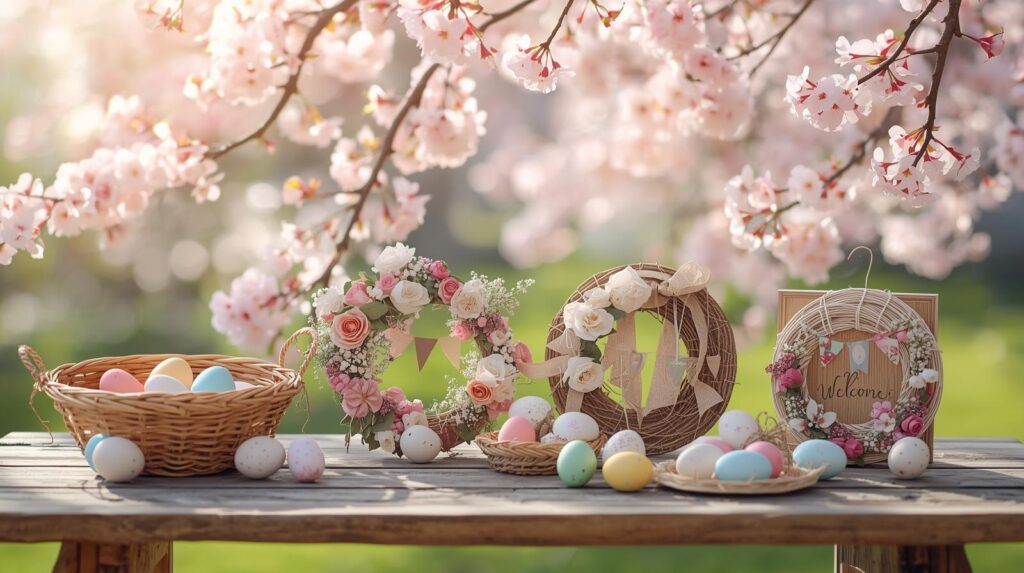
Flowers emerge throughout March, first as bulbs pushing through soil, then as actual blooms. Flower crafts capture this beauty in lasting form.
Coffee filter flowers offer simple beauty with materials you likely have on hand. Color coffee filters with washable markers, then spray with water to make colors bleed and blend. Allow to dry, then gather the center and wrap with pipe cleaner stems. The resulting flowers have a watercolor quality that captures spring’s delicacy.
Handprint flowers create sentimental keepsakes while engaging young children. Trace child’s hand on colored paper, cut out multiple handprints, and arrange in a circle to form flower petals. Add a contrasting center and stem. Date each creation to track hand growth over years.
For more realistic flowers, try crafting with crepe paper or tissue paper. The thin material allows petals to be shaped and curled, creating surprisingly lifelike results. Roses, tulips, and daffodils all lend themselves to paper interpretation.
Bird Crafts
March brings returning birds, their songs filling the air as they establish territories and build nests. Bird crafts celebrate these welcome visitors.
Simple bird feeders engage children with nature while helping birds through late winter. Pinecone feeders, rolled in peanut butter and birdseed, hang from trees for birds to discover. Recycled carton feeders, painted and filled with seed, provide more permanent feeding stations. The daily observation of visiting birds extends the craft’s pleasure.
Nest crafts celebrate birds’ building efforts. Collect twigs, grass, and other natural materials, then form into nest shapes with glue. Add small eggs, either crafted from clay or purchased decorative eggs, for a complete scene. These nests make lovely centerpieces for spring tables.
Paper birds in bright colors bring spring indoors year-round. Fold and cut bird shapes from colored paper, add wings and tail feathers, and hang in flocks from branches arranged in vases. The movement of these paper birds catches breezes and adds life to rooms.
Wind and Kite Crafts
March’s windy reputation makes it perfect for wind-themed crafts. Kite making connects to this theme while providing outdoor fun when weather permits.
Simple diamond kites can be made from paper, wooden dowels, and string. Decorate with spring themes before assembling, then test on the next windy day. Even if kites don’t fly perfectly, the process of making and trying teaches valuable lessons.
Wind socks capture March breezes visibly. Decorate paper tubes or fabric cylinders with streamers, attach strings, and hang where wind can catch them. The dancing streamers provide ongoing entertainment and decoration.
Pinwheels offer another wind-catching craft with immediate gratification. Paper pinwheels mounted on sticks spin delightfully in the slightest breeze. Children love watching their creations come alive outdoors.

Equinox and Balance Crafts
The vernal equinox around March 20th marks equal day and night, offering themes of balance for craft exploration.
Balance Mobiles
Create mobiles that explore physical balance while representing the equinox theme. Use sticks or dowels as horizontal elements, hanging symbols of day and night from opposite ends. Suns, moons, stars, and clouds can be arranged to achieve visual and physical balance.
The process of adjusting a mobile to achieve balance teaches physics concepts while producing beautiful results. The finished mobile, gently turning, represents the balance of light and dark that the equinox brings.
Sun Catchers
Celebrate increasing light with sun catchers that capture and scatter sunshine. Tissue paper sun catchers, made by arranging colored tissue between clear contact paper, catch window light beautifully. The translucent colors glow when sun hits them, spreading color through rooms.
For more permanent sun catchers, try using glass paints or markers on clear plastic or glass. Designs featuring suns, flowers, or abstract patterns catch light and create cheerful window decorations. These crafts particularly suit the equinox theme of returning light.
Day and Night Art
Create split artworks representing equal day and night. Fold paper in half, decorating one side with daytime imagery (sun, blue sky, bright flowers) and the other with night (moon, stars, sleeping animals). The contrast highlights the equinox’s perfect balance.
For younger children, provide pre-divided papers and stickers representing day and night for placement on appropriate sides. This simpler version still teaches the concept while being achievable for little hands.
Weather Crafts
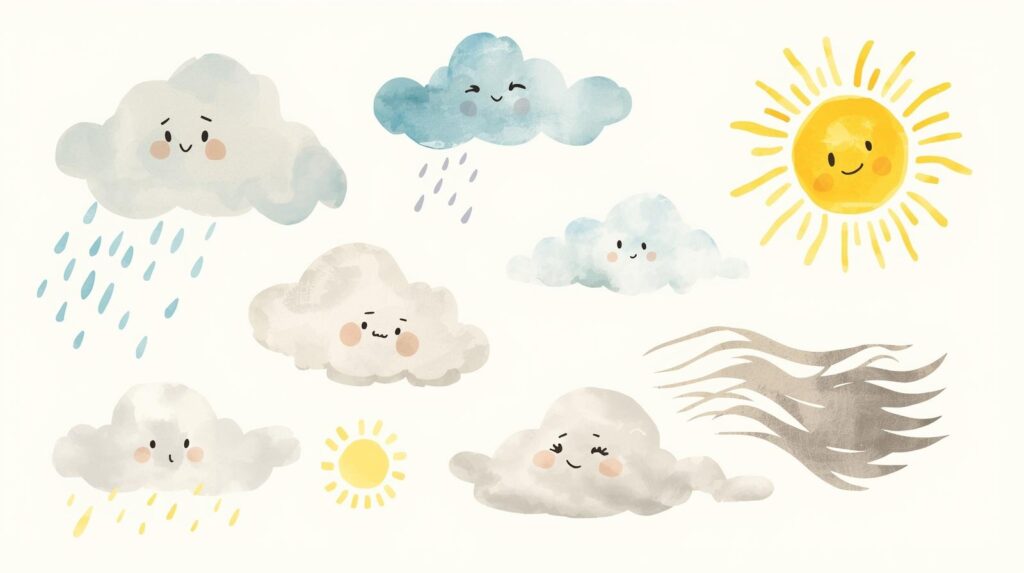
March’s famously variable weather inspires crafts that respond to or represent atmospheric conditions.
Weather Charts
Create interactive weather charts for tracking March’s famous variability. A simple chart with spaces for each day’s weather, marked with symbols or stickers, builds observation skills while creating a month-long record. At March’s end, review the chart together, discussing patterns and extremes.
For more elaborate versions, include temperature tracking with a simple thermometer craft, wind direction with a handmade weather vane, or precipitation measurement with a rain gauge. These additions extend learning while engaging children with daily weather.
Cloud Crafts
March skies offer spectacular cloud displays, inspiring cloud-themed crafts. Cotton ball clouds glued on blue paper create textured skyscapes. Research different cloud types and attempt to represent cirrus, cumulus, and stratus with appropriate materials and arrangements.
For a more scientific approach, create a cloud identification guide as a craft project. Draw or photograph clouds, research their characteristics, and compile into a reference book for future sky watching.
Rain Crafts
March showers inspire rain-themed crafts that celebrate rather than bemoan wet weather. Rain sticks, made from cardboard tubes with inserted nails or foil and filled with rice, produce gentle rain-like sounds when tilted. The process of creating the sound maker teaches about sound production while yielding a pleasing instrument.
Umbrella crafts capture rainy day imagery. Cut umbrella shapes from paper, decorate brightly, and add raindrops falling around. These cheerful images acknowledge rain while celebrating its role in bringing spring flowers.
March Holidays and Special Days
Beyond St. Patrick’s Day, March includes other observances that inspire specific crafts.
International Women’s Day (March 8)
Celebrate International Women’s Day by crafting cards or small gifts for important women in your life. Handmade cards with personal messages carry more meaning than store-bought versions. Include drawings or words that specifically acknowledge each recipient’s influence and importance.
For a family project, create a “women who inspire us” collage featuring images and words about influential women throughout history. This educational craft celebrates women’s achievements while creating meaningful wall art.
Pi Day (March 14)
Math enthusiasts celebrate Pi Day (3/14) with pie-themed crafts. Paper pies with lattice crusts, constructed from brown paper strips woven over filling-colored circles, make cheerful decorations. For bakers, actual pie baking counts as craft, with decorative crusts providing creative expression.
Pi Day also offers opportunities for math-themed crafts. Create pi chains with colored paper links representing each digit, or design pi skyline art where digit heights determine building heights. These crafts make mathematics visible and engaging.
First Day of Spring (March 20)
Beyond equinox crafts already covered, the first day of spring deserves celebration. Spring crowns, made from paper or fabric flowers attached to headbands, let everyone feel festive. Spring banners proclaiming the season’s arrival decorate mantels and doorways. Spring journals, started on this day, record observations throughout the coming season.
March Crafts for Specific Ages
Different ages require different approaches. These suggestions adapt March crafts for various developmental stages.
Toddler March Crafts
Toddlers need simple, sensory-rich crafts with minimal steps and maximum satisfaction. Green finger painting for St. Patrick’s Day, tissue paper crumpling to form flowers, and sticker decorating of pre-cut shapes all suit this age. Focus on process over product, allowing exploration without expectation of specific results.
Toddler crafts should use non-toxic materials and require minimal adult assistance. Set up for success with prepared materials and accept that final products may look nothing like intended. The goal is sensory exploration and creative expression, not display-worthy results.
Preschool March Crafts
Preschoolers can handle slightly more complex projects with adult guidance. Cutting with scissors (safety scissors and close supervision), gluing multiple pieces, and following simple sequences all develop important skills. Rainbow collages, handprint flowers, and simple shamrock crafts suit this age well.
Preschool crafts should allow for individual expression while providing enough structure for success. Offer choices within parameters, green and white for shamrocks but let child decide arrangement, for example. This balance builds confidence while developing skills.
Elementary March Crafts
Elementary-aged children can tackle more complex projects with multiple steps. Leprechaun traps, weather stations, and kite construction challenge their growing capabilities while producing satisfying results. These projects may extend over multiple days, teaching patience and planning.
At this age, crafts can connect to curriculum learning. Researching cloud types for cloud crafts, calculating for pi day projects, and learning about Ireland for St. Patrick’s Day all integrate academic content with creative making.
Teen and Adult March Crafts
Older makers appreciate sophisticated projects with room for personal expression. Watercolor flower paintings, hand-lettered March quotes, and elaborate paper crafting challenge growing skills. These projects can be done individually or as shared family activities.
For teens and adults, the focus shifts from skill development to creative satisfaction. Projects may take longer and require more investment, but the results reward the effort with lasting beauty and personal meaning.
Conclusion: The Joy of March Making
March crafts capture the unique spirit of this transitional month, celebrating both winter’s end and spring’s beginning. Through making, we mark St. Patrick’s Day, welcome returning light, and engage with March’s famously variable weather. We create decorations that brighten our homes and gifts that express our care. We spend time with children, teaching them not just skills but the value of creating with their own hands.
The crafts in this guide represent starting points rather than rigid instructions. Adapt them to your materials, your skills, and your interests. Combine ideas, invent variations, and most importantly, enjoy the process. The finished product matters less than the act of making, the time spent creating, the satisfaction of bringing something new into being.
As March unfolds, let crafting be part of how you experience the month. Make something for St. Patrick’s Day. Create flowers that won’t wilt. Build something that catches the wind. And at month’s end, look at what you’ve made with satisfaction, knowing that your hands have participated in welcoming spring.