Living Room Paint Color Ideas: Transforming Your Space with Hue
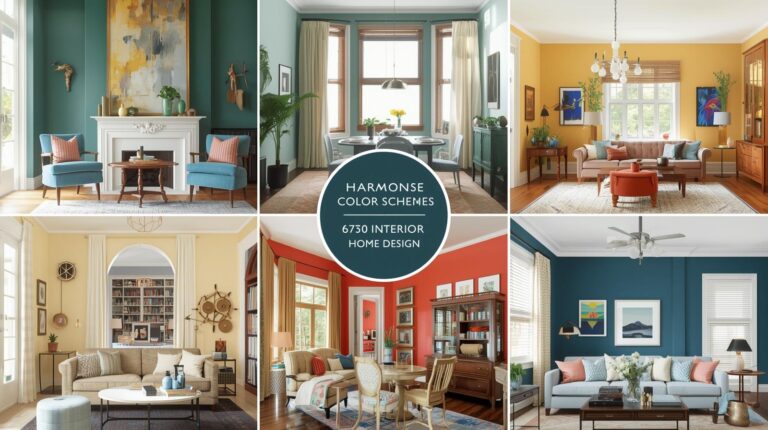
There is nothing quite as transformative as a fresh coat of paint. In a single weekend, with relatively modest investment, you can completely change the character of your living room, altering how it feels, how light moves through it, and how you experience time spent there. The living room, as the heart of most homes, deserves particularly thoughtful color consideration. This is where families gather, where guests are entertained, where daily life unfolds. The right paint color supports these activities, creating a backdrop that enhances rather than competes with everything else in the room. From serene neutrals that recede peacefully to bold hues that make dramatic statements, from cool blues that promote calm to warm earth tones that envelop cozily, the options can seem overwhelming. This comprehensive guide explores living room paint color ideas to help you find the perfect hue for your space and lifestyle.

Understanding the Impact of Color
Before diving into specific color recommendations, it is helpful to understand how paint color affects our experience of a room. Color influences perception of space, mood, and even temperature.
Lighter colors make rooms feel larger and more open by reflecting more light. Darker colors create intimacy and coziness but can make small spaces feel cramped. Cool colors, blues and greens, tend to recede, making walls feel farther away. Warm colors, reds and yellows, advance, making spaces feel more enclosed.
Color also affects mood psychologically. Blues promote calm and relaxation, making them ideal for spaces where you unwind. Yellows energize and uplift, bringing sunshine even on cloudy days. Greens connect us to nature, creating feelings of renewal and balance. Neutrals provide grounding and flexibility, allowing other elements to take center stage.
Consider how you use your living room when choosing color. A space for quiet reading benefits from calming hues. A room for lively entertaining might welcome energizing colors. The right color supports the room’s function while pleasing your eye.
Neutral Living Room Paint Colors
Neutrals form the foundation of countless living rooms for good reason. They provide flexibility, allowing furniture and accessories to change without repainting. They create calm, uncluttered backdrops that make spaces feel larger. And they work with virtually any design style, from traditional to modern to eclectic.
White and Off-White
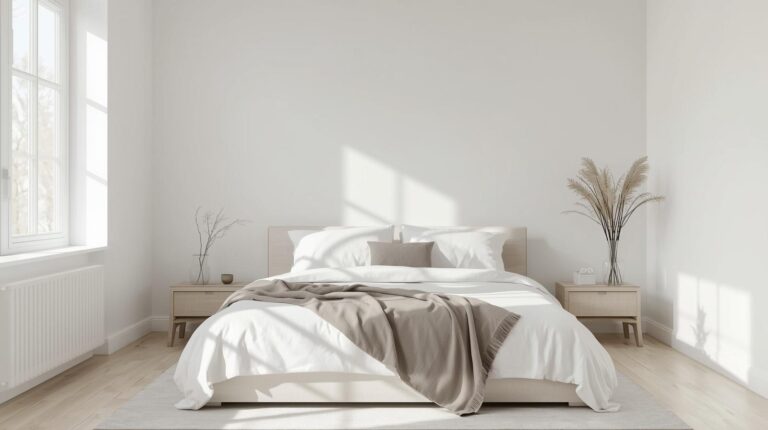
White remains the most popular living room color for its versatility and light-reflecting properties. Crisp white walls make rooms feel larger and brighter, providing a clean canvas for artwork, furniture, and accessories. White also allows architectural details to shine, with moldings and trim gaining definition against white backgrounds.
Not all whites are equal. Pure white can feel stark, particularly in rooms with limited natural light. Warm whites with cream or yellow undertones create cozier atmospheres. Cool whites with gray or blue undertones feel crisp and modern. Test samples in your space at different times of day before committing.
Off-whites, including ivory, cream, and ecru, add warmth while maintaining the light, airy quality of white. These colors work beautifully in traditional and farmhouse interiors, creating inviting backdrops that feel soft and welcoming.
Gray
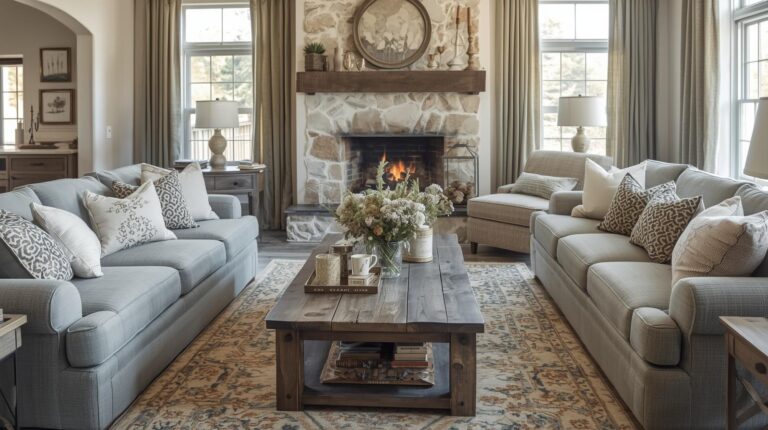
Gray has become a staple of contemporary interiors for its sophisticated neutrality. From pale silver to soft charcoal, gray offers endless possibilities for creating calm, refined spaces. Warm grays with brown or beige undertones create cozy atmospheres. Cool grays with blue undertones feel crisp and modern.
Gray works beautifully as a backdrop for colorful furnishings, allowing brighter pieces to pop. It also pairs elegantly with other neutrals, white trim, natural wood tones, and black accents. The key lies in choosing the right undertone; grays that clash with other elements in your room can feel disconnected.
Beige and Greige
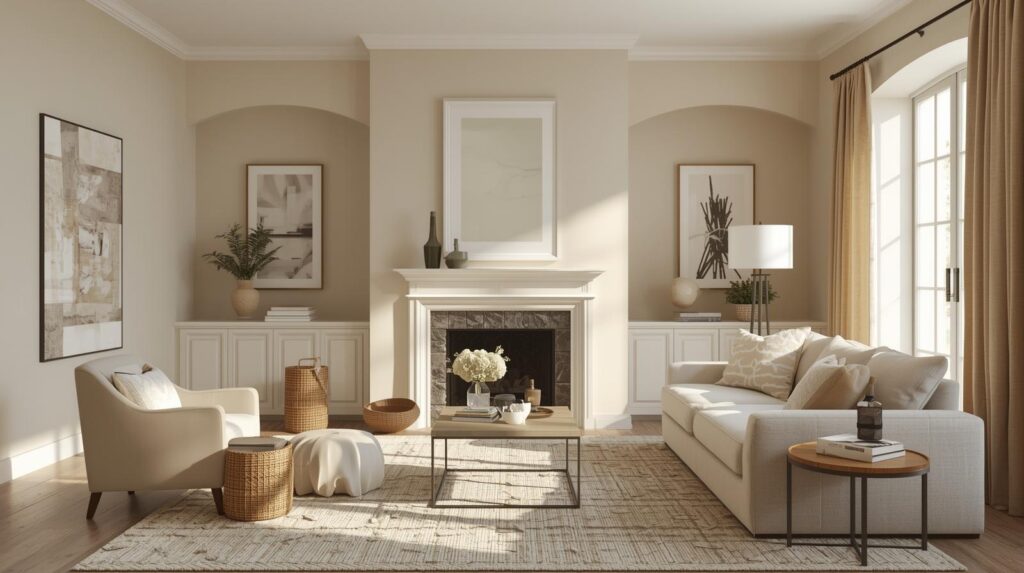
Beige, long dismissed as boring, has experienced a renaissance in recent years. Modern beiges have greater depth and complexity than their 1990s predecessors, with undertones that add richness without reading as yellow or pink. These colors create warm, inviting spaces that feel grounded and natural.
Greige, a blend of gray and beige, offers the best of both worlds. These colors have the sophistication of gray with the warmth of beige, creating versatile neutrals that work in almost any space. Greige walls provide calm backdrops that change subtly throughout the day as light shifts.
Taupe
Taupe, with its complex blend of brown, gray, and sometimes purple undertones, adds sophistication to living rooms. These colors feel richer than standard beige while remaining neutral enough for flexibility. Taupe works beautifully in traditional spaces, adding depth without drama, and in modern interiors seeking warmth without color.
Cool Living Room Paint Colors
Cool colors, blues, greens, and purples, create calm, restful spaces ideal for living rooms where relaxation is the priority.
Blue
Blue consistently ranks as the most popular color for living rooms, and for good reason. This versatile hue ranges from pale sky blue to deep navy, offering options for every style and space. Blue promotes calm and relaxation, making it ideal for spaces where you unwind after long days.
Pale blues create airy, open feelings, making small living rooms feel larger. These soft hues work beautifully with white trim and natural wood tones, creating spaces that feel fresh and serene. Sky blue walls evoke clear spring days, bringing optimism even when weather doesn’t cooperate.
Medium blues, like periwinkle or cornflower, add more presence while maintaining calm. These colors work well in living rooms with good natural light, where they can show their full character. Pair with crisp white trim and touches of yellow or green for balanced compositions.
Deep blues, navy and indigo, create dramatic, enveloping spaces perfect for media rooms or intimate conversation areas. These colors make walls feel closer, creating cozy cocoons that promote relaxation. Use in larger rooms or on accent walls to avoid overwhelming smaller spaces.
Green
Green connects us to nature, creating feelings of renewal, balance, and calm. From pale sage to deep forest, green offers options for every living room style.
Sage green, with its gray undertones, provides subtle color that feels both natural and sophisticated. These walls work beautifully in traditional, farmhouse, and transitional spaces, adding color without overwhelming. Pair with white trim, natural wood, and touches of cream for serene compositions.
Olive and moss greens bring more saturation while maintaining connection to nature. These earthy tones work well in spaces with natural light and plants, creating cohesive indoor-outdoor connections. Leather, wood, and natural fibers complement these colors beautifully.
Emerald and forest greens make dramatic statements in larger living rooms. These deep hues create luxurious, enveloping spaces perfect for traditional or eclectic interiors. Gold accents and rich woods complement these colors beautifully.
Purple and Lavender
Purple, used thoughtfully, adds unexpected sophistication to living rooms. Pale lavender creates soft, romantic spaces that feel fresh and modern. These walls work beautifully with gray and white trim, creating calm, sophisticated rooms that avoid typical purple pitfalls.
Deeper plums and eggplants create dramatic, luxurious spaces perfect for formal living rooms. These rich hues envelop rooms in warmth, creating intimate atmospheres ideal for evening entertaining. Gold and brass accents complement these colors beautifully.

Warm Living Room Paint Colors
Warm colors, reds, oranges, and yellows, create energetic, welcoming spaces ideal for living rooms where entertaining and activity take priority.
Yellow
Yellow brings sunshine indoors, creating spaces that feel cheerful and welcoming. From pale butter to bold gold, yellow offers options for every style.
Pale yellows, like buttercream or vanilla, add warmth without overwhelming. These soft hues work beautifully in north-facing rooms needing visual warmth, creating cozy atmospheres even on gray days. White trim keeps the look fresh and clean.
Medium yellows, like honey or marigold, bring more energy while remaining approachable. These colors work well in living rooms with good natural light, where they can show their full character. Pair with gray or blue accents for balanced compositions.
Deep golds create dramatic, luxurious spaces perfect for formal living rooms. These rich hues add warmth and sophistication, particularly effective in rooms with evening use. Jewel tones and metallics complement these colors beautifully.
Orange and Terracotta
Orange, used thoughtfully, adds warmth and energy to living rooms. Terracotta and burnt orange, with their earthy undertones, prove particularly popular for their natural, grounded quality.
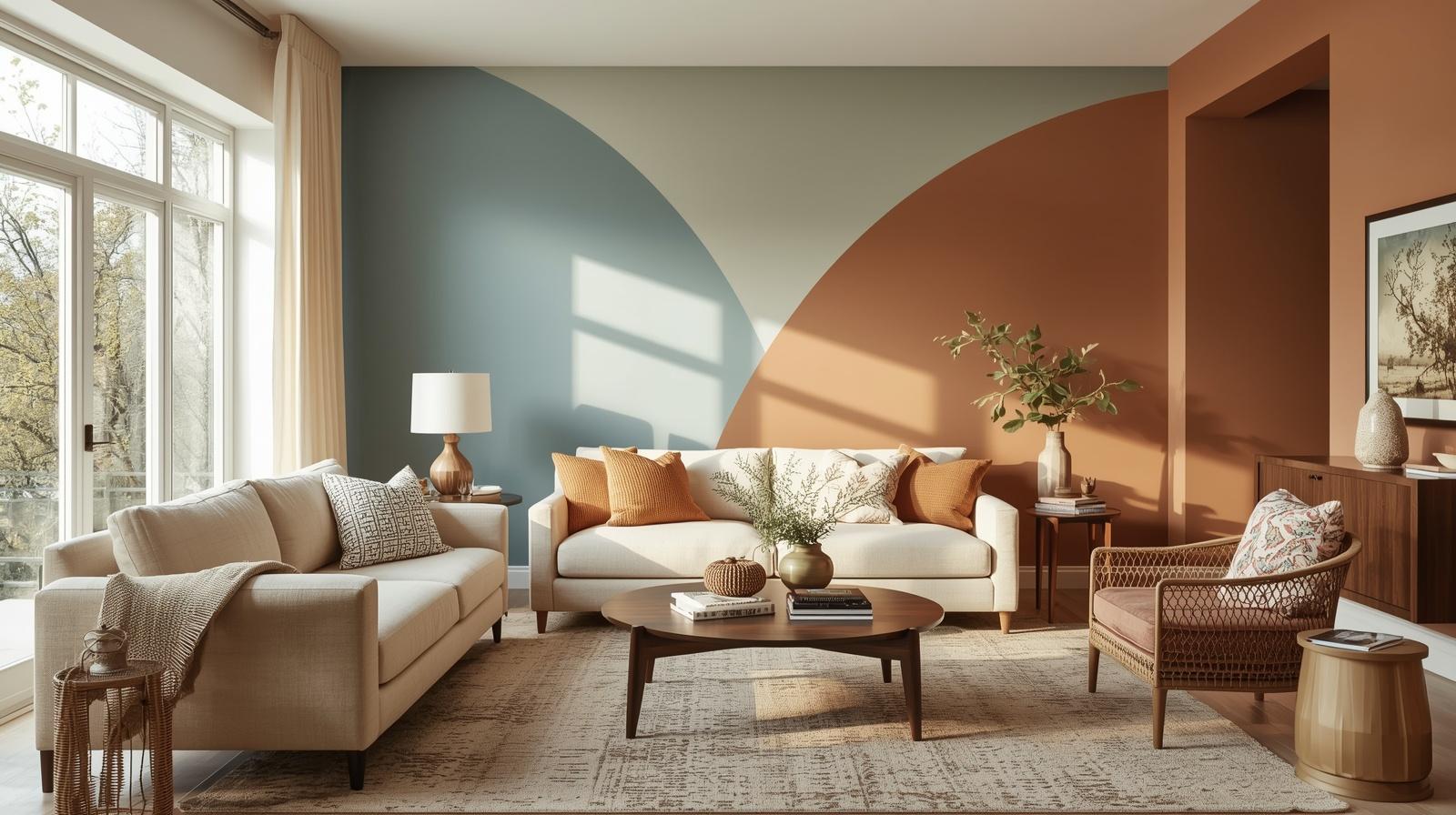
Terracotta walls create warm, enveloping spaces that feel connected to the earth. These colors work beautifully in Southwestern, Mediterranean, and bohemian interiors, adding authentic character. Natural materials, wood, stone, and woven textures, complement terracotta perfectly.
Peach and apricot offer softer orange options with less intensity. These warm, welcoming hues work well in spaces seeking color without drama. Pair with cream and natural wood for fresh, modern compositions.
Red
Red, used sparingly, adds drama and energy to living rooms. Deep burgundies and wine shades create luxurious, intimate spaces perfect for formal rooms. These rich hues envelop rooms in warmth, creating dramatic backdrops for traditional furnishings.
Brick reds offer more casual options with earthy undertones. These colors work well in rustic, farmhouse, and industrial spaces, adding warmth without formality. Natural materials and textures complement these colors beautifully.
Use red thoughtfully; as the most intense color, it can overwhelm if overused. Consider accent walls or rooms with abundant natural light where red can show its full character without dominating.
Earth Tone Living Room Paint Colors
Earth tones, drawing inspiration from soil, clay, and stone, create grounded, natural spaces that feel warm and authentic.
Brown and Tan
Brown, in its many variations, creates warm, stable spaces that feel grounded and secure. From pale sand to rich chocolate, brown offers options for every style.
Light tans and sands create warm neutrals that work beautifully in casual spaces. These colors feel natural and approachable, providing flexible backdrops for various furnishings. Pair with white trim for freshness or wood tones for warmth.
Medium browns, like caramel or walnut, add richness while maintaining neutrality. These colors work well in traditional and rustic spaces, creating warm, enveloping atmospheres. Cream and gold accents complement these colors beautifully.
Deep chocolates create dramatic, luxurious spaces perfect for formal living rooms. These rich hues add sophistication and warmth, particularly effective in rooms with abundant natural light.
Clay and Adobe
Clay and adobe tones, with their reddish undertones, bring warmth and authenticity to living rooms. These colors, inspired by Southwestern and Mediterranean landscapes, create spaces that feel connected to the earth.
Clay walls work beautifully with natural materials, wood, stone, and woven textures, creating cohesive, grounded spaces. White or cream trim keeps the look fresh while allowing the wall color to shine.
Living Room Paint Color by Room Characteristics
Beyond personal preference, your living room’s physical characteristics should influence color choice.
Small Living Rooms
Small living rooms benefit from light, cool colors that make spaces feel larger. Pale blues, soft greens, and light grays recede visually, creating the illusion of more space. White remains the most effective space-expander, reflecting maximum light and making walls recede.
Consider painting ceiling and walls the same light color to eliminate visual boundaries, making rooms feel larger. Trim in the same color, perhaps slightly glossier, maintains flow while adding subtle definition.
Large Living Rooms
Large living rooms can accommodate deeper, richer colors that would overwhelm smaller spaces. Dark blues, forest greens, and charcoals create intimate atmospheres in generously proportioned rooms, making them feel cozy rather than cavernous.
Consider using deeper colors on all walls for enveloping effect, or reserve them for accent walls to create focal points. Large rooms also accommodate color zoning, different colors for different functional areas within the same open space.
Living Rooms with Limited Natural Light
North-facing and other low-light rooms benefit from warm colors that compensate for cool, limited light. Pale yellows, warm creams, and soft peaches add visual warmth that makes these spaces feel more inviting. Avoid cool colors that can feel cold and uninviting in low light.
Consider using lighter values of warm colors to maximize light reflection. Glossier finishes also help bounce available light around the room.
Living Rooms with Abundant Natural Light
Sun-drenched rooms can handle a wider color range, including deeper hues that might feel heavy in darker spaces. Bright southern exposure allows colors to show their true character, making even deep blues and greens feel fresh and alive.
Consider how colors change throughout the day as light shifts. A color that looks perfect at noon may appear very different at sunset. Test samples and observe at multiple times before committing.
Accent Walls and Color Placement
Beyond overall wall color, strategic color placement creates interest and defines spaces.
Accent Walls
A single wall in a contrasting color creates focal points and adds drama without overwhelming. The wall behind a sofa, the wall with a fireplace, or the wall opposite the entry often work best for accent treatment.
Choose accent colors that relate to your overall palette, perhaps a deeper version of your main color or a complementary hue. The accent should feel intentional, not random.
Color Blocking
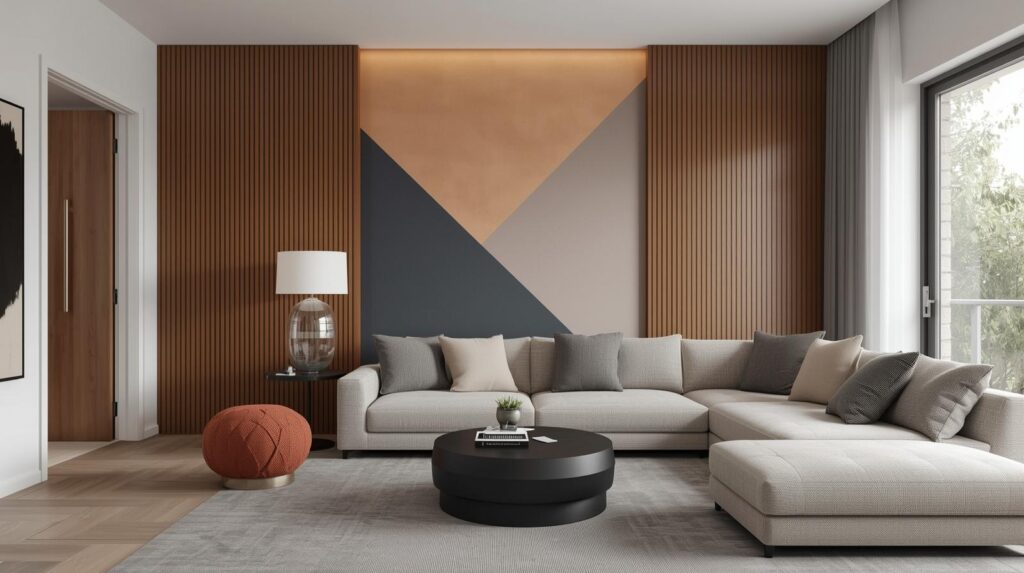
Color blocking uses multiple colors in geometric arrangements for modern, graphic effect. This approach works best in contemporary spaces with clean lines and minimal furnishings. Professional painting ensures crisp edges essential to successful color blocking.
Ceiling Color
Ceilings, often overlooked, offer opportunities for color expression. A lighter version of wall color creates cohesive, enveloping spaces. A contrasting color, perhaps a soft blue for sky effect or a warm color for intimacy, adds interest overhead. White ceilings remain classic for their light-reflecting properties.
Testing and Committing
Before committing to a color, proper testing prevents costly mistakes.
Sample Painting
Paint large samples directly on your walls, at least 12-inch squares, and observe at different times of day. Colors look different in morning, midday, and evening light. Artificial lighting also affects appearance; observe under your typical evening lighting as well.
Consider Undertones
Every color has undertones that become apparent next to other colors. A gray may read slightly blue next to warm wood, slightly green next to certain fabrics. Test your color against fixed elements, flooring, countertops, and furnishings that will remain.
Live with Samples
Live with your samples for several days before deciding. Notice how you feel about the color at different times, in different moods. The right color should feel comfortable consistently, not just look good in photographs.
Conclusion: The Power of Paint
Living room paint color choices profoundly affect how you experience your home. The right color supports relaxation, encourages conversation, and creates a backdrop that enhances everything else in the room. The wrong color, however beautiful in isolation, can feel uncomfortable and wrong.
Take time with your color selection. Consider how you use your living room, what feeling you want to create, how light affects the space. Test samples thoroughly and live with them before committing. Trust your instincts; the color that feels right to you is likely the right choice, regardless of trends or others’ opinions.
Whether you choose serene blue, warm terracotta, sophisticated gray, or crisp white, your living room paint color sets the stage for life lived within its walls. Choose thoughtfully, and you’ll create a space that welcomes you home for years to come.