Serene Beginnings: A Comprehensive Guide to Japandi Nursery Ideas
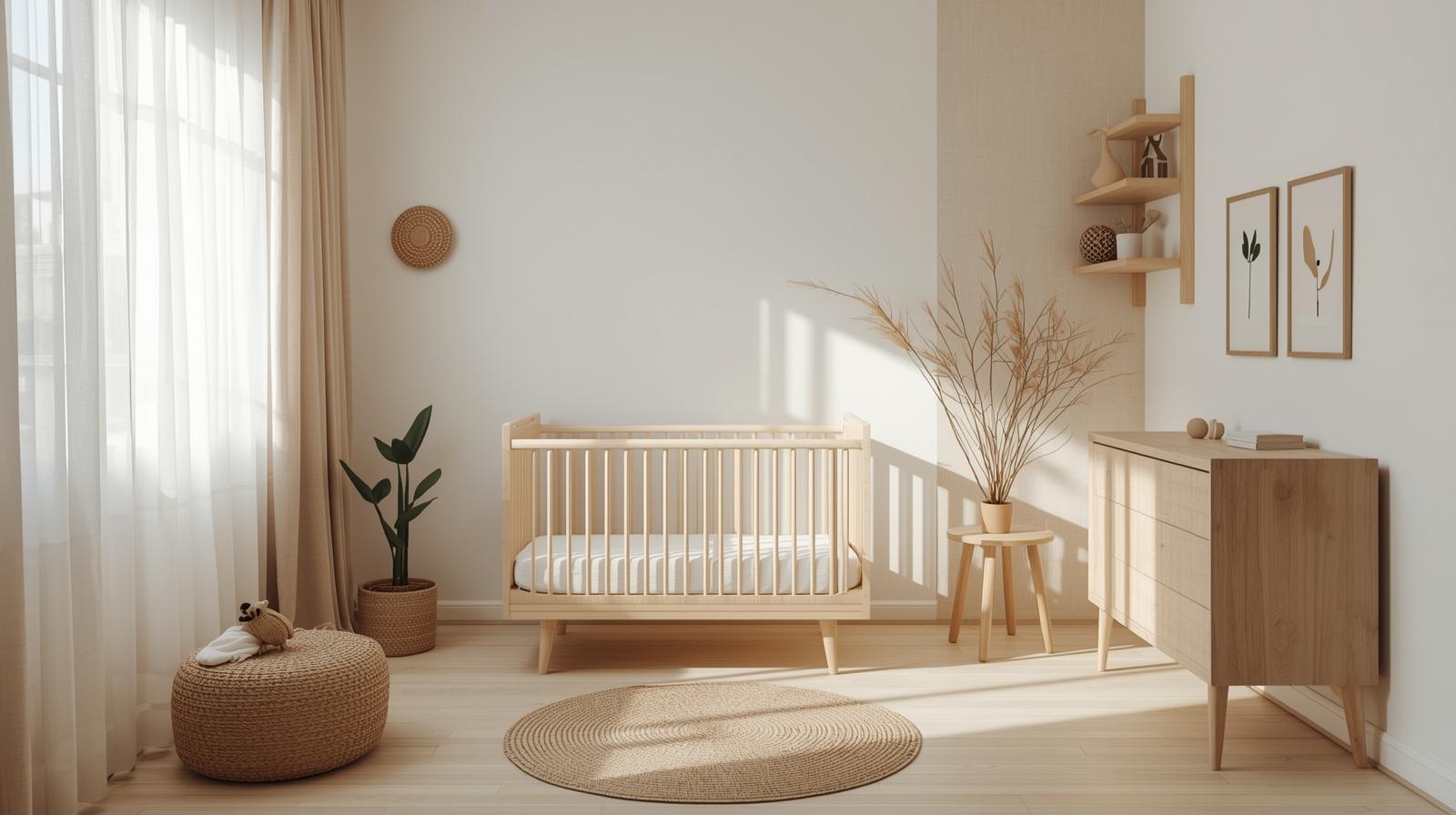
The arrival of a new baby is one of life’s most transformative moments, and preparing a nursery is among the most joyful and meaningful tasks for expecting parents. In recent years, a growing number of families have moved away from the traditional pastel-laden, character-themed nurseries of the past in favor of spaces that feel calm, intentional, and deeply nurturing. Enter the Japandi nursery—a beautiful fusion of Japanese minimalism and Scandinavian functionality that creates the perfect environment for both baby and parents to rest, bond, and grow.
As we move through 2026, the Japandi aesthetic continues to resonate with those seeking sanctuary from our overstimulated world. For a nursery, this philosophy is particularly powerful. A Japandi nursery is not merely a beautifully decorated room; it is a thoughtfully considered environment designed to support sleep, soothe senses, and provide a peaceful foundation for a child’s earliest experiences. This guide will walk you through the essential elements, design principles, and inspiring ideas to create a Japandi nursery that embodies serenity, functionality, and timeless beauty.
Understanding the Japandi Philosophy in the Context of a Nursery
Before exploring specific design ideas, it’s essential to understand how the core principles of Japandi design translate to a space intended for an infant. This philosophical foundation will guide every decision you make.
The Marriage of Two Traditions
Japandi represents the harmonious intersection of Japanese and Scandinavian design sensibilities. From Japan comes the concept of wabi-sabi—the appreciation of imperfection, impermanence, and the beauty found in natural materials and their aging over time. This teaches us that a nursery need not be pristine and perfect to be beautiful; the inevitable spills, smudges, and wear become part of the room’s story. From Scandinavia comes hygge—the feeling of cozy contentment and well-being through creating warm, inviting atmospheres. For a nursery, this translates to a space that wraps both baby and parent in comfort and calm.
The Needs of the Infant Brain
Neuroscience tells us that infants’ developing brains are highly sensitive to their environments. Overstimulation from bold patterns, bright colors, and visual clutter can make it difficult for babies to self-soothe and settle into restful sleep. The Japandi nursery, with its emphasis on simplicity, soft neutrals, and intentional design, provides a sensory environment that supports calm rather than contributing to chaos. This doesn’t mean the room must be boring—rather, it means every element is chosen with purpose and placed with care.
A Space That Grows with Your Child
One of the most practical advantages of Japandi nursery design is its longevity. A room designed according to these principles doesn’t need to be completely redecorated when your infant becomes a toddler and then a child. The neutral palette, quality furniture, and thoughtful design serve as a foundation that adapts beautifully as your child grows, requiring only minor updates rather than complete overhauls.
The Serene Palette: Colors That Calm and Nurture
Color is the foundation of any nursery, setting the emotional tone for the entire space. In a Japandi nursery, the palette is carefully considered to promote calm and tranquility.
The Warmth of Neutrals
Unlike the stark white nurseries of minimalist past, Japandi embraces warmer neutrals that feel welcoming rather than clinical. Cream, ivory, oatmeal, mushroom, greige, and soft taupe form the foundation, their warmth wrapping the room in a gentle embrace. These colors reflect light beautifully while maintaining a cozy, grounded quality that white alone cannot achieve. They provide the perfect backdrop for the natural textures and materials that will populate the room.
The Soothing Power of Earth Tones
When accent colors are desired, look to the natural world for inspiration. The soft green of sage, reminiscent of new leaves in spring, brings a sense of growth and renewal. The gentle blue of a distant mountain or a calm sky promotes rest and tranquility. The warm terracotta of sun-baked clay adds groundedness and warmth. These colors appear sparingly—perhaps in a textile, a piece of art, or a ceramic vessel—connecting the nursery to the larger natural world and bringing the calming influence of nature indoors.
The Strategic Use of Dark Accents
To add depth and prevent the palette from feeling insipid, incorporate darker elements in small doses. Charcoal gray, deep chocolate brown, or soft black appear in furniture legs, picture frames, or a single textile. These darker notes anchor the space, providing visual punctuation and giving the eye places to rest. They also add a touch of sophistication that elevates the nursery beyond purely childish territory.

The Foundation: Choosing Furniture That Lasts
In a Japandi nursery, furniture is chosen not just for its immediate function but for its quality, beauty, and ability to serve for years to come.
The Crib as Centerpiece
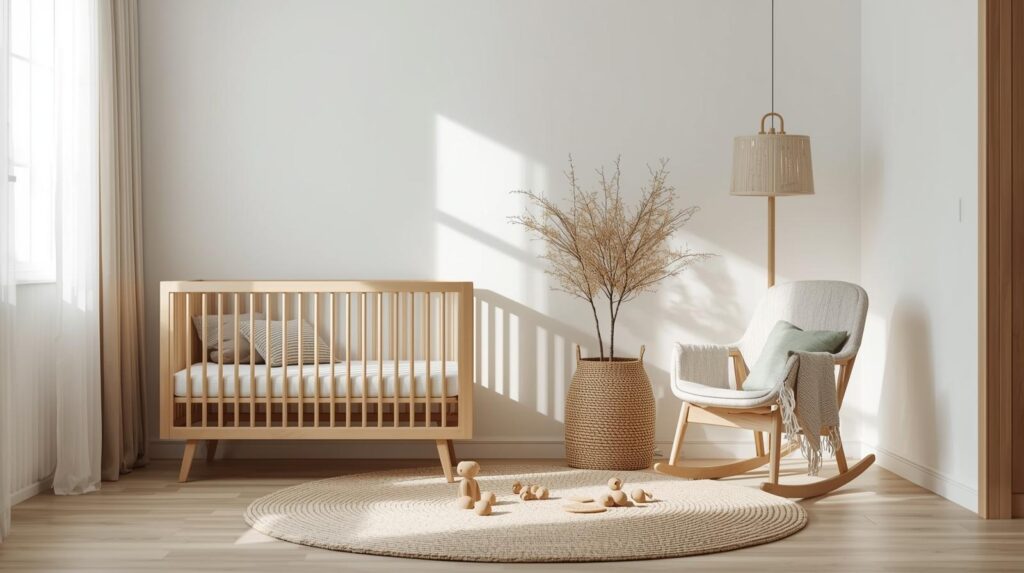
The crib is naturally the focal point of any nursery. In a Japandi space, look for cribs with clean lines, simple shapes, and natural wood finishes. Avoid ornate details or trendy shapes that will quickly date. A crib in light oak, ash, or walnut brings organic warmth and serves as an anchor for the room’s design. Convertible cribs that transform into toddler beds and eventually daybeds align perfectly with the Japandi value of longevity, growing with your child rather than being discarded after a few years.
Thoughtful Storage Solutions
Clutter is the enemy of serenity, making thoughtful storage essential in a Japandi nursery. Look for dressers and shelving units in natural wood with simple, handle-less designs that maintain clean lines. Open shelving, used sparingly, provides a place for a carefully curated display of books and treasures. Baskets in natural materials—seagrass, rattan, bamboo—offer flexible, attractive storage for toys, blankets, and diapers while adding texture and warmth to the room.
The Changing Station
A dedicated changing area makes those countless daily diaper changes more manageable. In a Japandi nursery, this might be a changing pad placed on a sturdy dresser, eliminating the need for a bulky, single-purpose changing table. Keep the area uncluttered, with only essentials within reach stored in simple baskets or ceramic containers. A soft, washable changing pad cover in organic cotton or linen adds comfort while maintaining the natural aesthetic.
Seating for Comfort and Connection
A comfortable chair for nursing, bottle-feeding, and midnight soothing is essential. In a Japandi nursery, look for seating that balances comfort with clean design. A simple wood-framed armchair with cushioned seat, a upholstered rocker in natural linen, or even a floor cushion for those times when you want to be at baby’s level all work beautifully. The key is choosing pieces that invite you to linger while maintaining the room’s aesthetic integrity.
The Beauty of Natural Materials
Texture is the soul of Japandi design, and in a nursery, it takes on particular importance as babies explore their world through touch.
Wood in All Its Forms
Wood is the foundational material of Japandi design, and its presence in the nursery brings warmth, organic beauty, and a connection to nature. Beyond furniture, consider wood in flooring, ceiling beams if you’re fortunate enough to have them, or even a wood-slat accent wall that adds architectural interest while softening the room acoustically. The variations in grain and color are not flaws but features, embodying the wabi-sabi appreciation of natural imperfection.
The Softness of Natural Textiles
Textiles provide the softness that makes a nursery feel welcoming and safe. Linen, organic cotton, wool, and bamboo fabrics align with the Japandi ethos while being gentle on baby’s sensitive skin. A linen crib sheet softens with each washing, developing a beautiful patina that only improves with time. A wool blanket provides warmth without synthetic materials. A cotton muslin swaddle, in a neutral tone or subtle pattern, becomes both functional tool and beautiful object.
Woven Elements
Rattan, seagrass, bamboo, and wicker bring texture and visual warmth to the nursery. A rattan rocking chair adds sculptural interest while providing a comfortable spot for soothing. Seagrass baskets corral toys and blankets while adding organic texture. A bamboo blind filters harsh sunlight into soft, diffused glow. These woven elements connect the nursery to traditional craftsmanship and bring a handcrafted quality that mass-produced items cannot replicate.
Ceramics for Simple Beauty
Handmade ceramics deserve a place in the Japandi nursery. A simple, organic-shaped vase holding a single branch or dried flower adds artistic presence. A ceramic catchall on the dresser holds tiny treasures—a first tooth, a special shell, a hospital bracelet. A pottery lamp base brings warmth and texture to lighting. These objects, chosen with care, elevate the nursery from functional space to personal sanctuary.

Lighting That Nurtures Sleep and Soothes the Soul
Lighting in a Japandi nursery is about more than illumination; it is about creating the right atmosphere for sleep, feeding, and bonding at all hours.
The Importance of Layered Light
A truly successful nursery incorporates multiple layers of light that can be adjusted to meet different needs. Overhead lighting, on a dimmer switch, provides general illumination during active times. A nursing light—perhaps a small lamp with a warm bulb or a dimmable wall sconce beside the feeding chair—offers gentle light for nighttime feedings that won’t fully wake baby or disrupt sleep hormones. A soft nightlight provides enough illumination for middle-of-the-night checks without stimulating the senses.
Natural Light and Window Treatments
Natural light is treasured in Japandi design, but a nursery requires the ability to darken the room for naps and nighttime sleep. The solution lies in layered window treatments. Sheer linen curtains filter light beautifully during the day while providing privacy. Layered beneath them, blackout roller shades in a neutral color can be drawn when complete darkness is needed. This combination offers flexibility while maintaining the soft, natural aesthetic.
The Beauty of Subtle Illumination
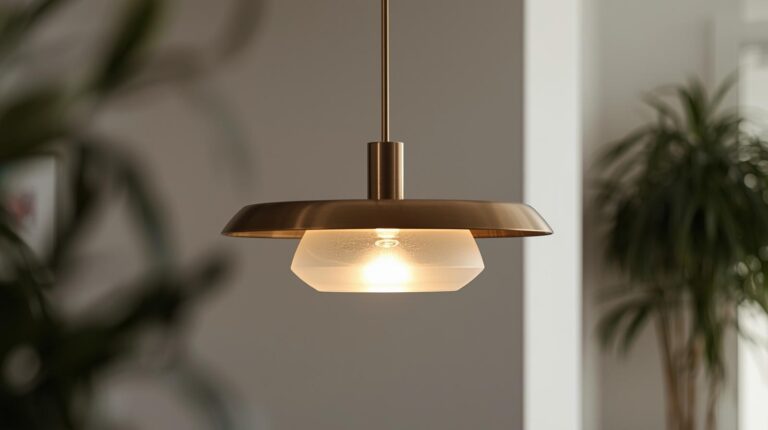
The quality of light matters as much as its source. Choose warm bulbs (2700K or lower) that cast a soft, golden glow rather than harsh, blue-toned light that can interfere with sleep. Consider paper lantern pendants that diffuse light softly, their traditional Japanese form perfectly aligned with the aesthetic. A salt lamp, with its warm, amber glow and natural material, adds both beauty and a sense of calm to the nursery.
The Art of Mindful Decorating
In a Japandi nursery, every object is chosen with intention and placed with care. This is not a space for accumulating stuff but for curating meaning.
The Principle of Negative Space
In arranging your nursery, remember the importance of negative space. Surfaces need room to breathe, to be seen clearly and appreciated fully. A crowded dresser top creates visual noise and undermines the serenity you’re working to achieve. Leave empty space on shelves, clear areas on the floor, and blank wall space between art. This emptiness is not absence but presence—it allows the eye to rest and the mind to calm.
Art That Speaks Gently
Choose art for the nursery that contributes to the peaceful atmosphere. Simple line drawings, watercolor washes in soft tones, or black-and-white photography with high contrast (which is actually beneficial for infant visual development) all work beautifully. A single, well-chosen piece can have more impact than a gallery wall of competing images. Consider framing children’s book illustrations, pressed botanicals, or a simple calligraphy brushstroke representing a word of blessing for your child.
The Beauty of the Natural World
Bringing elements of nature into the nursery strengthens the connection to the outdoors and adds living energy to the space. A small, easy-care plant like a snake plant or peace lily (ensure it’s non-toxic and placed safely out of reach) adds life and purifies the air. A collection of pinecones, smooth stones, or seashells on a high shelf brings natural texture. A branch of eucalyptus, hung to dry, adds subtle fragrance and organic form.
Personal Touches With Meaning
While restraint is valued, the nursery should also reflect your family’s story and the love surrounding this new life. A handmade quilt from a grandmother, a childhood book with personal inscriptions, a small collection of animals from your travels—these objects add soul to the space. The key is editing, allowing each meaningful object space to be seen and appreciated rather than lost in a crowd.
Practical Considerations for the Japandi Nursery
A beautiful nursery must also function well for the demanding realities of caring for an infant. These practical considerations ensure your design choices serve your daily needs.
Durability and Washability
Babies are messy, and nursery elements must withstand frequent cleaning. Choose washable paint finishes (eggshell or satin) that can be wiped clean. Select machine-washable textiles for crib sheets, changing pad covers, and any washable rugs. Consider wipeable surfaces for the changing area and nearby surfaces. The Japandi appreciation for natural wear doesn’t mean you shouldn’t protect your investment with practical choices.
Safety First
All nursery design must prioritize safety. Ensure all furniture is securely anchored to walls. Choose non-toxic paints and finishes. Verify that any plants are safe if touched or ingested (and keep them out of reach regardless). Ensure cords from blinds or lighting are secured and inaccessible. The serene Japandi nursery is also a safe nursery, and safety considerations should never be compromised for aesthetics.
Flexibility for Growth
As your infant becomes a mobile baby and then an active toddler, the nursery’s needs will change. Design with flexibility in mind. Choose a crib that converts to a toddler bed. Select a dresser that can serve for years rather than a changing table that will be outgrown. Leave open floor space for play when the baby becomes mobile. The Japandi nursery that serves you well today will continue to serve as your child grows, requiring only thoughtful adjustments rather than complete reimagining.
Bringing It All Together: A Room That Welcomes Life
Creating a Japandi nursery is about more than following design trends or assembling beautiful objects. It is about cultivating a space that will hold your family through the transformative early years of your child’s life—a space for sleepless nights and joyful mornings, for first smiles and first steps, for quiet moments of wonder and the beautiful chaos of growing up.
This is a room that asks nothing of you but offers everything in return. It welcomes you at 3 a.m. when you stumble in for a feeding, its soft light and calm presence soothing your exhausted nerves. It greets you each morning with gentle beauty, a peaceful start to whatever the day may bring. It holds the memory of every milestone, every late-night worry, every moment of overwhelming love.
In a world that moves too fast and demands too much, your nursery can be an anchor—a place of quiet beauty where you and your baby can slow down, breathe deeply, and simply be together. That is the gift of Japandi design, and it is one that will sustain you through the beautiful, challenging, miraculous journey of early parenthood.
So take your time in creating this space. Choose each piece with care and intention. Edit ruthlessly, but fill what remains with meaning. And then, when it is done, simply sit in the rocking chair with your baby in your arms, and let the room do what it was designed to do—hold you both in its quiet, beautiful embrace as you begin the greatest adventure of your lives.