
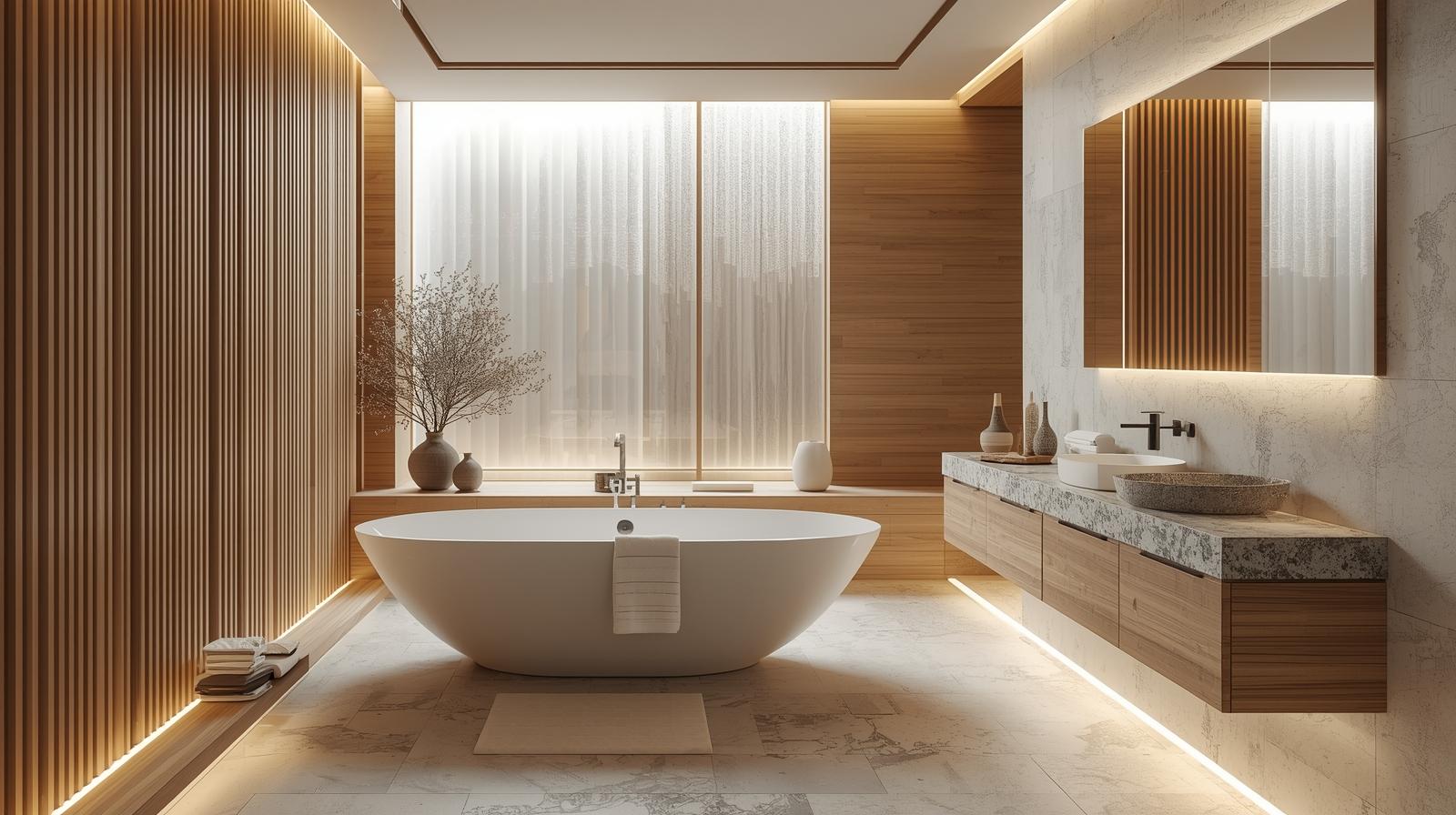
Essential Japandi Bathroom Ideas for a Tranquil Home
In recent years, a design philosophy has emerged that captures the hearts of homeowners seeking peace and simplicity in their living spaces. Japandi style, the beautiful marriage of Japanese minimalism and Scandinavian functionality, offers a pathway to creating interiors that feel both serene and purposeful. Nowhere is this approach more transformative than in the bathroom—a room dedicated to cleansing, renewal, and daily ritual. By embracing the core principles of this aesthetic, you can reimagine your bathroom as a personal sanctuary that nurtures both body and mind.
Understanding the Japandi Philosophy
Before diving into specific design ideas, it is essential to understand what makes Japandi style so distinctive and appealing. This design approach draws from two rich cultural traditions that, while originating in different parts of the world, share remarkable similarities in their appreciation for simplicity, craftsmanship, and connection to nature.
From Japanese design, Japandi borrows the concept of wabi-sabi—the gentle acceptance of imperfection and transience. This philosophy teaches us to find beauty in natural variations, handmade textures, and materials that age gracefully over time. It encourages spaces that feel uncluttered and intentional, where every object serves a purpose or brings quiet joy.
From Scandinavian design comes the cherished notion of hygge—the creation of warmth, comfort, and well-being. Nordic interiors have long embraced light, natural materials, and cozy textures that make long winters more bearable and daily life more pleasant. This emphasis on comfort softens the potential starkness of minimalism, resulting in spaces that feel inviting rather than sterile.
When these two approaches unite, they create bathrooms that are not merely functional but deeply restorative. The following ideas will guide you in bringing this harmonious aesthetic into your own home.
The Foundation of Calm: Color and Material Choices
The journey toward a Japandi bathroom begins with establishing the right foundation through thoughtful selection of colors and materials. These elements set the tone for everything that follows and create the sensory experience you will enjoy each day.
Embracing a Gentle Color Palette
The colors you choose for your Japandi bathroom should evoke tranquility and warmth simultaneously. Unlike the crisp, cool whites often associated with contemporary minimalism, Japandi favors softer, warmer neutrals that wrap the room in a gentle embrace. Imagine walls painted in creamy off-white, warm greige, or soft sand tones that shift beautifully with changing natural light throughout the day.
These warm neutrals serve multiple purposes in the bathroom. They reflect light effectively, making even compact spaces feel more open and airy. They provide a harmonious backdrop that allows natural materials and carefully chosen objects to stand out without competing for attention. Most importantly, they create a sense of calm that prepares your mind for relaxation the moment you step through the door.
While the palette remains predominantly neutral, you can introduce subtle depth through carefully considered accents. Deep charcoal in a textured tile, soft sage green on a vanity, or warm terracotta in ceramic accessories can ground the space and add visual interest without disrupting the peaceful atmosphere.
Celebrating Natural Materials
If the color palette provides the canvas, natural materials supply the texture, warmth, and soul of your Japandi bathroom. The thoughtful combination of these elements creates a space that feels alive and connected to the natural world.
Wood stands as the most essential material in this design approach. Select varieties that showcase their natural grain and character rather than hiding behind heavy stains or glossy finishes. Light oak or ash brings a distinctly Scandinavian brightness to the space, while darker walnut or hinoki cypress offers a more meditative, Japanese-inspired quality. Whichever you choose, the finish should be matte to preserve the tactile, organic feel of the wood.
Stone introduces grounding weight and permanence to balance the warmth of wood. Consider leathered granite for countertops, honed marble for flooring, or textured slate for accent walls. These materials bring subtle variations in color and pattern that embody the wabi-sabi appreciation for natural imperfection.
Ceramics and clay add artisanal character through handmade tiles with gentle irregularities or vessel sinks with organic shapes. These elements introduce human craftsmanship into the space, reminding us that beauty often lies in the subtle variations that machines cannot replicate.
Essential Elements for a Serene Sanctuary
With the foundational palette and materials established, attention turns to the specific elements that will define your bathroom’s function and character. Each choice should support the overall goal of creating a calm, uncluttered space that encourages daily renewal.
The Floating Vanity
A floating vanity exemplifies the Japandi approach to design—beautiful, functional, and space-conscious. By mounting the cabinet on the wall rather than placing it on the floor, you create an immediate sense of lightness and openness. The exposed floor beneath allows light to flow freely and makes cleaning effortless.
Choose a vanity crafted from natural wood with simple, handleless doors that maintain clean lines. The absence of visible hardware contributes to the uncluttered appearance while providing a smooth, seamless surface that pleases the eye. Pair this with a stone or ceramic countertop in a complementary neutral tone and consider a wall-mounted faucet to eliminate the visual clutter of pipes and fittings.
Inside the vanity, thoughtful organization keeps daily necessities tidy and accessible. Deep drawers with custom inserts for toiletries, baskets for linens, and compartments for cleaning supplies ensure that everything has its place, allowing the countertop to remain beautifully bare.
The Art of Bathing
In a Japandi bathroom, bathing becomes ritual rather than routine. The fixtures you choose should honor this distinction by serving as both functional elements and sculptural focal points.
A freestanding soaking tub often takes center stage in this design approach. Inspired by the deep, short Japanese ofuro tubs, these vessels invite long, meditative soaks that soothe tired muscles and quiet busy minds. Look for tubs with organic, curved shapes in materials like matte white composite, stone resin, or even wood. Position the tub to take advantage of natural light or views if possible, creating a connection to the outdoors that enhances the sense of escape.
For shower areas, simplicity reigns supreme. Walk-in designs with frameless glass enclosures maintain visual openness while keeping water contained. Large-format tiles with minimal grout lines create a seamless appearance that feels more like a natural rock formation than a manufactured space. A rainfall showerhead mounted overhead completes the experience, mimicking the gentle sensation of standing in warm summer rain.
Storage That Supports Serenity
The Japandi commitment to minimalism does not mean living without possessions—it means thoughtfully managing them so they do not overwhelm your space or your mind. Clever storage solutions are essential to this goal.
Built-in niches in shower walls provide sleek, integrated shelving for bath products without the need for bulky hanging caddies. Finished with the same tile as the surrounding wall, these recesses disappear visually while offering practical storage.
Consider incorporating a linen cabinet or shelving unit that combines open display for beautiful towels and closed storage for less attractive necessities. A simple wooden ladder leaning against the wall can hold towels for the day while adding vertical interest. The key is ensuring that everything visible contributes positively to the aesthetic, while everything else remains tucked neatly away.
The Finishing Touches That Complete the Vision
With the major elements in place, attention turns to the details that transform a well-designed bathroom into a true sanctuary. These finishing touches add personality, warmth, and the final layer of sensory comfort.
Lighting for Mood and Function
Lighting in a Japandi bathroom should serve both practical and emotional needs. Natural light remains the ideal source, so maximize windows with simple treatments that maintain privacy while allowing soft illumination to filter through. Sheer linen curtains or frosted glass panels work beautifully for this purpose.
For artificial lighting, think in layers rather than single sources. A statement pendant made of paper, bamboo, or woven materials can cast a warm, diffused glow throughout the space. Wall sconces flanking the mirror provide gentle task lighting for grooming without harsh shadows. Hidden LED strips beneath the floating vanity or within niches add a subtle, modern accent that enhances the sense of depth and warmth.
Choose bulbs with warm color temperatures that mimic the golden glow of candlelight or sunset. Cool, blue-toned lighting disrupts the peaceful atmosphere you have worked so carefully to create.
Textiles That Invite Comfort
Hard surfaces dominate bathrooms by necessity, but textiles provide the softness that makes a space truly inviting. In a Japandi bathroom, every textile should be chosen for both its tactile appeal and its contribution to the overall aesthetic.
Linen towels offer the perfect balance of absorbency and texture, becoming softer with each wash while maintaining their natural, slightly rumpled appearance. A woven cotton or bamboo bath mat adds warmth underfoot and introduces subtle pattern through its construction. Consider a simple robe hung on a wooden hook, ready to envelop you in comfort after your bath.
These textiles should remain in the neutral palette, allowing their texture and quality to provide interest rather than relying on bright colors or bold patterns. The goal is a space that feels soft and welcoming without becoming visually busy.
Greenery That Breathes Life
No Japandi space feels complete without the presence of living plants. Beyond their obvious beauty, plants connect us to nature and improve air quality—both valuable contributions to a bathroom sanctuary.
Choose species that thrive in humid, often low-light bathroom conditions. Ferns bring lush, feathery texture to corners and countertops. Snake plants offer architectural form with minimal care requirements. Simple bamboo stalks in clear vessels add height and elegance while nodding to Japanese garden traditions.
Place plants where they will receive adequate light and where their forms can be appreciated—on a windowsill, on a corner of the counter, or on a simple wooden shelf. The vibrant green of healthy foliage provides the perfect accent against neutral backgrounds.
What to Avoid in Japandi Design
Understanding what does not belong in a Japandi bathroom is as important as knowing what does. Certain common bathroom elements conflict fundamentally with the aesthetic and should be avoided.
Resist the temptation to fill every surface with decorative objects. In Japandi design, empty space carries as much visual weight as filled space, and restraint demonstrates confidence in the design. Each object should earn its place through beauty, utility, or emotional significance.
Steer clear of bright, saturated colors that disrupt the peaceful, earthy palette. Similarly, avoid glossy finishes on tiles, cabinetry, or fixtures—these create harsh reflections and feel cold compared to the warmth of matte surfaces. Shiny chrome fixtures in particular can undermine the natural aesthetic; opt instead for brushed nickel, matte black, or warm brass.
Finally, guard against clutter in all its forms. Even beautiful objects lose their impact when too many compete for attention. A Japandi bathroom maintains breathing room between elements, allowing each to be fully appreciated.
Bringing It All Together
Creating a Japandi bathroom is not about following a rigid set of rules but about embracing a philosophy that values simplicity, quality, and connection to nature. Each decision you make—from the color on the walls to the towel on the rack—contributes to an atmosphere of calm that supports your daily well-being.
As you plan your own Japandi bathroom, remember that this style rewards patience and thoughtfulness. Choose materials that will age beautifully rather than requiring replacement. Select objects that bring genuine joy rather than merely filling space. Leave room for emptiness, knowing that what you choose not to include matters as much as what you do.
The result will be more than a beautiful bathroom. It will be a personal sanctuary where you can escape the demands of daily life, reconnect with yourself, and emerge renewed—ready to face the world with the peace and clarity that only true tranquility can provide.