Floral Bedding Aesthetic: A Complete Guide to Botanical Beauty in the Bedroom
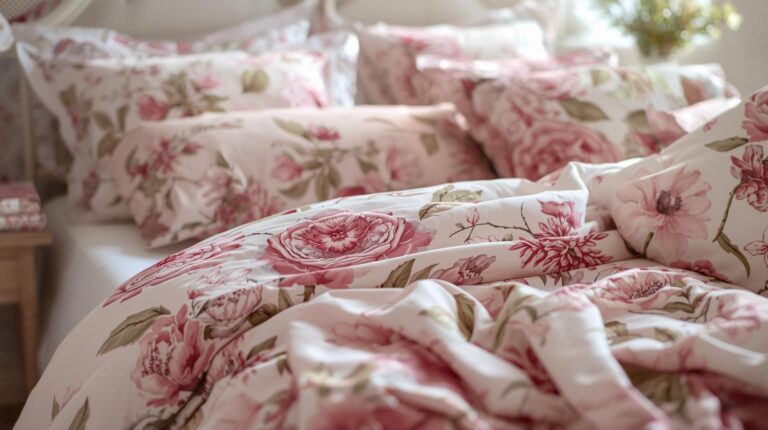
The floral bedding aesthetic represents one of the most enduring and beloved approaches to bedroom design. Across centuries and through countless design movements, flowers have maintained their powerful appeal as a decorative motif for the place where we begin and end each day. The floral bedding aesthetic is not merely about choosing a patterned duvet; it is a comprehensive design philosophy that embraces the beauty, symbolism, and emotional resonance of botanical imagery. From the tiniest sprigs scattered across a pillowcase to dramatic oversized blooms that command attention, floral bedding creates bedrooms that feel alive, personal, and deeply connected to the natural world. This comprehensive guide explores the many dimensions of the floral bedding aesthetic, helping you understand, embrace, and personalize this timeless approach to bedroom design.
Understanding the Floral Bedding Aesthetic
The floral bedding aesthetic encompasses far more than simply covering your bed with flower-patterned fabric. It represents a holistic approach to creating a bedroom environment that draws inspiration from gardens, meadows, and the natural beauty of blooming plants. This aesthetic celebrates the organic, the romantic, and the personal, offering endless possibilities for expression while maintaining a fundamental connection to nature.
At its core, the floral bedding aesthetic acknowledges that the bedroom is our most private and personal space, the place where we retreat from the world to rest and recharge. Surrounding ourselves with images of flowers, which universally symbolize beauty, growth, and renewal, creates an environment that nurtures these qualities within ourselves. The aesthetic recognizes that our surroundings affect our mood, our stress levels, and ultimately the quality of our rest.
The versatility of the floral bedding aesthetic contributes significantly to its enduring popularity. A single approach can manifest in countless ways, from the formal elegance of traditional English garden florals to the free-spirited eclecticism of bohemian flower prints. The aesthetic accommodates virtually every personal style, every budget, and every type of bedroom architecture, making it accessible to anyone who feels drawn to its fundamental appeal.
The Historical Roots of Floral Bedding
Understanding the history of floral bedding enriches our appreciation of the aesthetic and provides context for the countless variations available today. Flowers have adorned bedding for centuries, with each era contributing its own interpretation of botanical beauty.
In medieval and Renaissance Europe, bed hangings and coverlets often featured embroidered or woven floral motifs. These early examples drew heavily from the stylized flowers found in manuscripts and tapestries, with patterns that emphasized decorative form over naturalistic representation. The flowers carried symbolic meanings, with roses representing love, lilies symbolizing purity, and daisies evoking innocence.
The seventeenth and eighteenth centuries brought increased trade with Asia, introducing European markets to Chinese and Indian textiles featuring exquisite floral patterns. These imports sparked a craze for floral designs that influenced European manufacturers, who began producing their own versions of these coveted patterns. Chinoiserie, with its fantastic floral imagery, became particularly popular for bed furnishings.
The Victorian era represented a golden age for floral bedding. Advances in textile printing made floral patterns more affordable and accessible than ever before, while the Victorian passion for ornamentation found perfect expression in elaborate floral designs. Chintz, a glazed cotton fabric with floral patterns, became synonymous with Victorian bedrooms and remains highly collectible today. The era’s florals tended toward the densely patterned and richly colored, creating bedrooms of astonishing visual richness.
The twentieth century saw floral bedding evolve through multiple stylistic phases. Arts and Crafts florals emphasized simplified, stylized forms inspired by nature. Art Nouveau brought sinuous, flowing lines to flower imagery. The mid-century embraced cheerful, optimistic prints in bright colors. The 1970s pushed floral design to its boldest extreme with oversized blooms in earth tones. Each decade contributed new interpretations while the fundamental appeal of flowers remained constant.
Key Elements of the Floral Bedding Aesthetic
The floral bedding aesthetic rests on several key elements that work together to create a cohesive and satisfying bedroom environment. Understanding these elements helps you make intentional choices that support your personal vision.
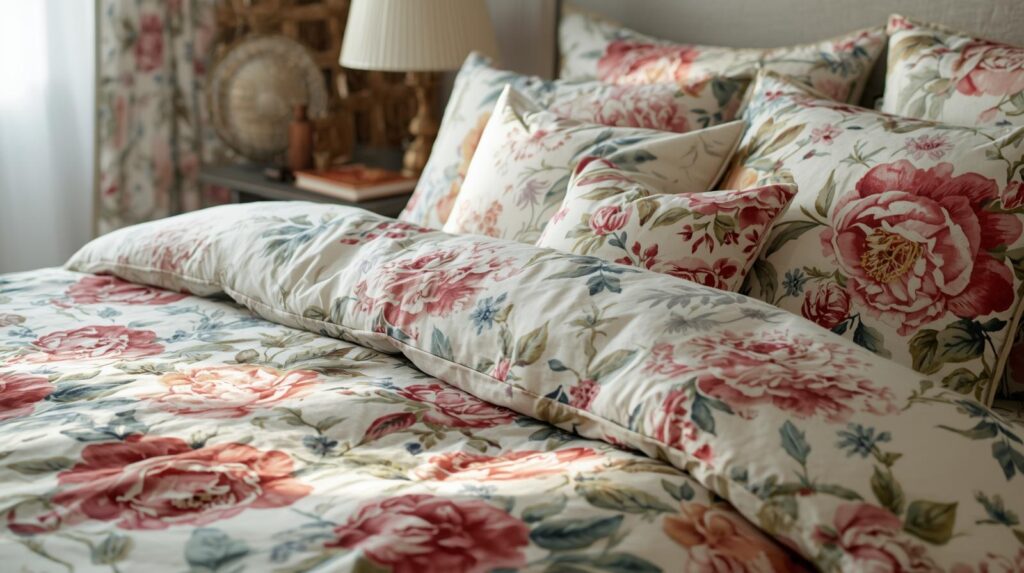
Pattern selection forms the foundation of the aesthetic. Floral patterns range from realistic botanical illustrations to abstract interpretations, from dense all-over prints to sparse, scattered designs. The specific pattern you choose sets the tone for the entire room, establishing whether the space will feel formal or casual, romantic or modern, traditional or contemporary. Take time to explore the enormous variety available, noticing which patterns genuinely speak to you.
Color plays an equally crucial role. Floral bedding exists in every imaginable color combination, from soft pastels to vibrant jewel tones to moody dark florals. The colors you choose affect not only the look of the bed but the entire atmosphere of the room. Soft, muted colors create calm, restful spaces, while bright, saturated hues energize and invigorate. Consider how different color families make you feel, and choose accordingly.
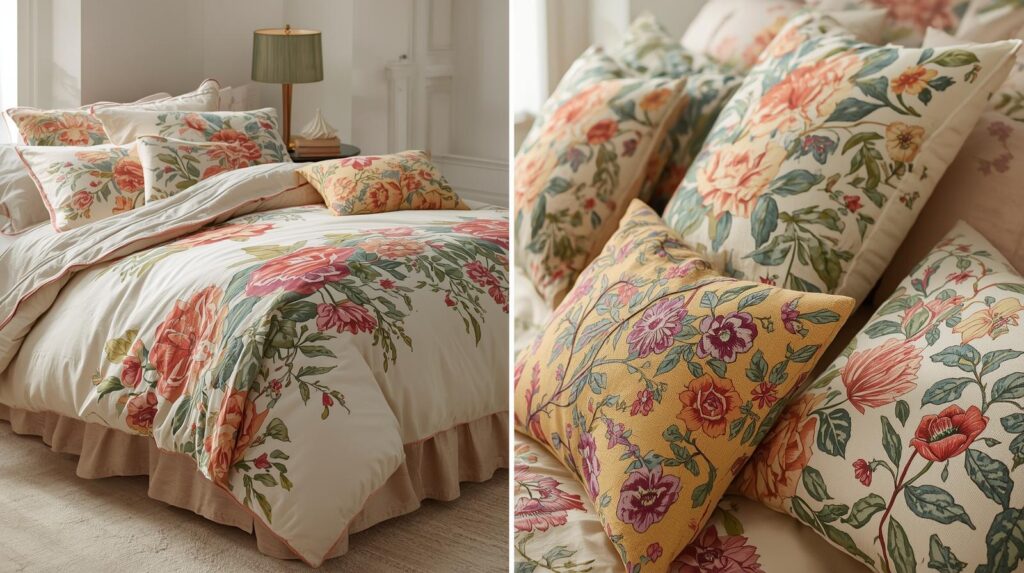
Scale matters enormously in floral bedding. Large-scale blooms make bold statements and work best in spacious rooms where they have room to breathe. Small-scale florals create subtle texture and suit smaller spaces or more restrained aesthetics. Mixing scales, perhaps a large-scale floral duvet with smaller-scale floral pillow shams, adds depth and visual interest to the bed.
Texture contributes to the sensory experience of the floral bedding aesthetic. A smooth, crisp cotton percale feels very different from a soft, brushed flannel, even when both feature the same floral pattern. The weight and hand of the fabric affect both comfort and appearance. Consider how the texture of your bedding will feel against your skin night after night, not just how it looks in photographs.
Different Interpretations of the Floral Aesthetic
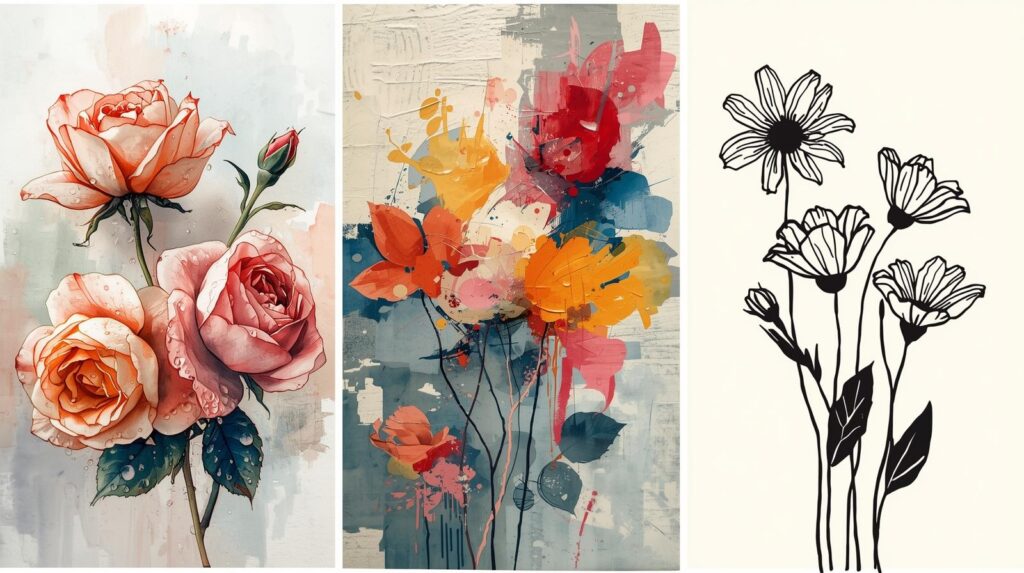
The floral bedding aesthetic encompasses numerous distinct interpretations, each offering a different mood and style. Understanding these variations helps you identify which approach resonates most strongly with your personal taste.
The romantic floral aesthetic emphasizes softness, delicacy, and dreamy beauty. Patterns feature gentle, flowing flowers in pale, muted colors. Watercolor effects, faded edges, and ethereal qualities characterize this interpretation. The romantic floral bedroom feels like a sanctuary, a space apart from the harsher aspects of life where softness and tenderness can flourish. Layers of fabric, plenty of pillows, and gentle lighting complete this look.
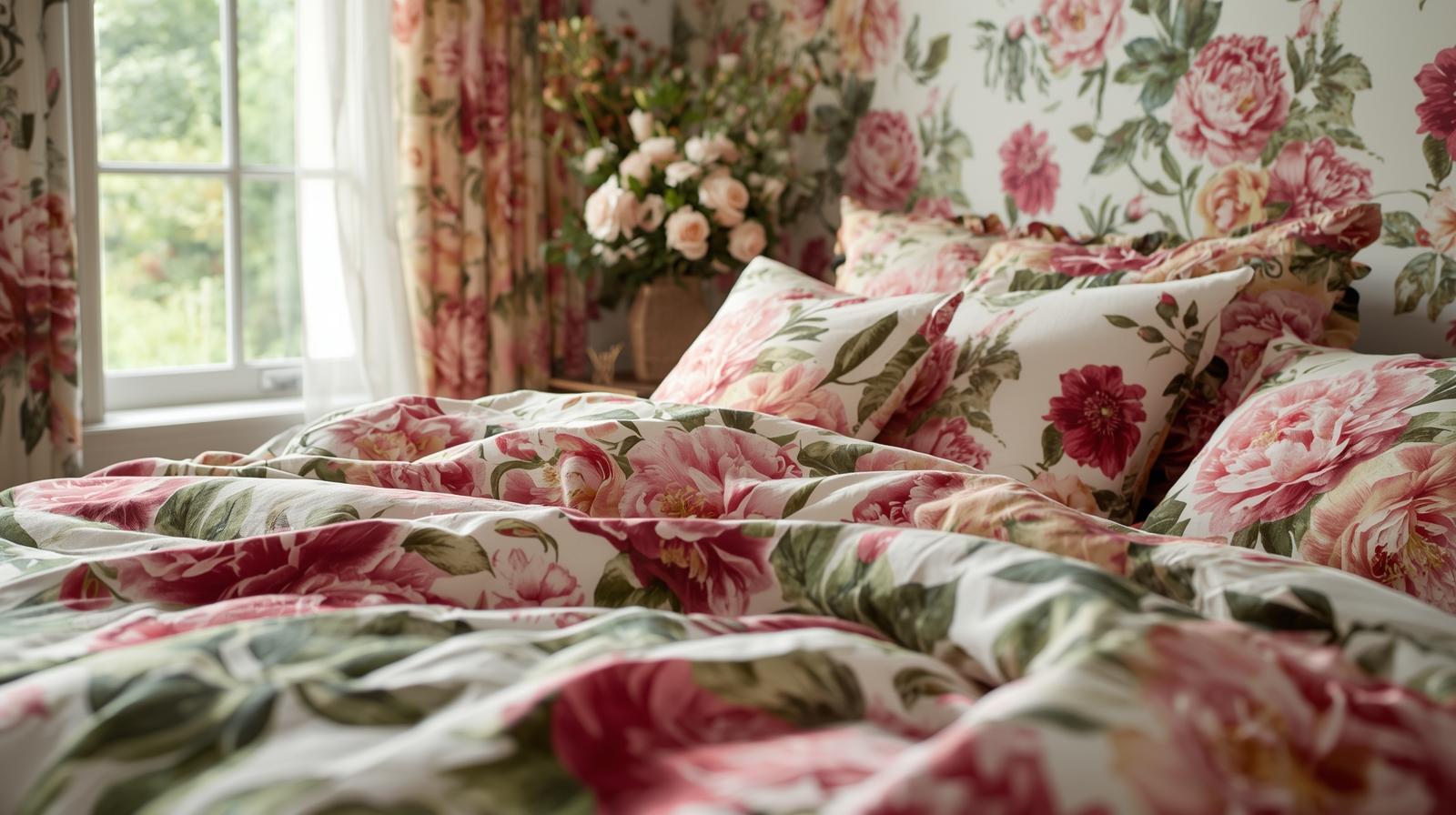
The traditional floral aesthetic draws on classic patterns that have pleased generations. English garden roses, French country prints, and formal chintz patterns exemplify this approach. Colors tend toward the rich and established, with deep reds, forest greens, and gold tones appearing frequently. The traditional floral bedroom feels timeless and elegant, connected to design heritage while remaining perfectly livable.
The modern floral aesthetic reinterprets flowers through a contemporary lens. Patterns may feature graphic, stylized blooms, unexpected color combinations, or abstract interpretations of floral forms. The overall effect feels fresh and current while maintaining connection to the fundamental appeal of flowers. This approach works beautifully in modern bedrooms, where it adds warmth and organic energy to clean, minimal spaces.
The bohemian floral aesthetic embraces eclecticism and personal expression. Patterns mix freely, with florals combining with paisley, geometric prints, and ethnic motifs. Colors tend toward the rich and saturated, with jewel tones and unexpected combinations creating visual excitement. The bohemian floral bedroom feels collected rather than decorated, a personal expression of the inhabitant’s creative spirit.
The rustic floral aesthetic draws inspiration from country gardens and natural landscapes. Patterns feature wildflowers, simple blooms, and folk-art interpretations of flowers in colors drawn from nature. Natural textures like linen, cotton, and wool complement these designs. The rustic floral bedroom feels grounded and authentic, connected to the simple beauty of the natural world.
Creating a Cohesive Floral Bedroom
Successfully implementing the floral bedding aesthetic involves more than simply choosing beautiful bedding. Thoughtful attention to the entire room creates a cohesive environment that supports and enhances your floral foundation.
Wall color provides the backdrop against which your floral bedding will be seen. A soft neutral, whether white, cream, gray, or beige, allows the bedding to take center stage without competition. For more drama, consider pulling a color from your floral pattern and using it on the walls, creating an immersive, enveloping effect. A deep green from the leaves or a soft pink from the flowers can transform the entire room’s atmosphere.
Window treatments offer opportunities to extend or complement your floral theme. Sheer curtains in a neutral color allow light to filter through while maintaining privacy and keeping the focus on the bed. For more pattern, consider curtains in a coordinating stripe or a smaller-scale floral that complements your bedding without competing with it. The key lies in creating harmony rather than matching exactly.
Flooring anchors the room and should support your overall aesthetic. Hardwood floors with a soft area rug provide warmth and texture. The rug can introduce additional pattern or remain solid to provide visual rest. If your floral bedding is busy, a simpler rug prevents the room from feeling overwhelming. If your bedding is more restrained, a patterned rug can add interest.
Furniture selection affects the overall mood of your floral bedroom. Antique or reproduction pieces enhance traditional and romantic interpretations. Clean-lined modern furniture provides interesting contrast to floral patterns. Weathered, painted pieces suit rustic and farmhouse aesthetics. Choose furniture that supports your chosen floral direction while providing the function you need.
Lighting shapes how your floral bedding is perceived throughout the day and evening. Natural light during daytime hours reveals the true colors and details of your patterns. As evening falls, artificial lighting should create warm, flattering illumination. Table lamps with fabric shades, wall sconces, and perhaps a small chandelier provide the layered lighting that floral bedrooms deserve.
Layering Floral Patterns Successfully
For those with confidence in their design abilities, layering multiple floral patterns creates bedrooms of extraordinary depth and personality. The key lies in understanding a few fundamental principles that keep pattern mixing from descending into chaos.
Vary the scale of your floral patterns for best results. Pair a large-scale floral duvet with smaller-scale floral pillow shams or a medium-scale floral quilt folded at the foot of the bed. The contrast in scale creates visual interest while allowing each pattern to be appreciated. If all your florals share the same scale, they may compete rather than harmonize.
Consider color carefully when mixing floral patterns. Patterns that share a common color palette will naturally harmonize, even if their specific flower types and arrangements differ dramatically. If your duvet features pink roses with green leaves, look for pillow shams with pink and green florals of different varieties. The shared colors create cohesion while the different patterns add interest.
Balance busy areas with restful ones. If your bed features multiple layered floral patterns, keep surrounding walls, curtains, and flooring relatively calm. Conversely, if your floral bedding is more restrained, you have more freedom to introduce additional pattern elsewhere in the room through wallpaper, curtains, or area rugs.
Don’t forget the power of solids between patterns. A band of solid color on a pillow sham, a solid duvet cover flange, or solid sheets peeking out between layers provide visual breathing room that prevents pattern overload. These moments of rest allow the eye to appreciate the patterns more fully.

The Psychology of Sleeping with Florals
Beyond their obvious visual appeal, floral patterns in the bedroom may offer psychological benefits that enhance the quality of your sleep and your experience of your personal space.
Research in environmental psychology has demonstrated that exposure to images of nature, including floral patterns, can reduce stress and promote feelings of calm and well-being. Bringing these images into the bedroom, where we go specifically to rest and recover from daily stresses, makes intuitive sense. A floral comforter or duvet cover surrounds you with the visual equivalent of a peaceful garden, creating an environment conducive to relaxation and restoration.
The colors in floral patterns also influence mood and emotional state. Soft pinks and lavenders promote feelings of tenderness and calm. Greens connect us to nature and feelings of renewal and growth. Yellows and oranges add energy and optimism, while blues encourage tranquility and rest. A well-chosen floral pattern can harness these color psychology principles to create a bedroom atmosphere that supports your emotional needs.
For many people, floral patterns carry positive associations with happy memories. A particular flower might remind you of a grandmother’s garden, a childhood home, or a especially joyful time in your life. Sleeping surrounded by these associations can provide comfort and a sense of continuity, connecting you to cherished people and places even when you are physically alone.
Seasonal Adaptations of the Floral Aesthetic
One of the pleasures of embracing the floral bedding aesthetic lies in its adaptability to the changing seasons. Different floral expressions suit different times of year, allowing your bedroom to evolve throughout the calendar.
Spring naturally calls for the freshest, most delicate florals. Patterns featuring spring blooms like tulips, daffodils, and cherry blossoms in soft, pastel colors celebrate the season of renewal. Lightweight fabrics keep sleeping comfortable during increasingly warm nights while providing the gentle warmth that spring evenings still require.
Summer invites bolder floral expressions. Bright, saturated colors and larger-scale patterns capture the energy of peak bloom. Consider swapping your spring florals for something more vibrant, or simply adding summer-inspired accessories like floral pillow shams or a lightweight floral quilt for warm nights.
Autumn provides opportunities for richer, deeper floral patterns. Comforters and duvet covers in warm tones of gold, rust, burgundy, and amber harmonize with the changing leaves outside. Heavier weight bedding becomes welcome as nights grow cooler, and the contrast between autumn’s earthy palette and blooming florals creates interesting visual tension.
Winter calls for the coziest floral expressions. Deep, dramatic patterns in jewel tones create a warm retreat from cold weather. Layer additional floral blankets and throws in coordinating colors for maximum warmth and visual richness. The juxtaposition of blooming florals against winter’s barren landscape feels particularly satisfying during the coldest months.
Floral Bedding for Different Bedroom Styles
The versatility of the floral bedding aesthetic means it can work beautifully in bedrooms of virtually any style, from the most traditional to the boldly contemporary.
In traditional bedrooms, classic floral patterns in rich colors provide the perfect foundation. Combine with antique or reproduction furniture, elegant lighting, and traditional window treatments for a cohesive look that feels timeless and established. Layer multiple floral patterns for depth, and don’t shy away from the formal elegance that traditional florals can achieve.
Modern bedrooms benefit from the contrast that floral bedding provides. Against clean lines, minimal furniture, and restrained color palettes, a bold floral duvet becomes an artistic statement, a focal point that adds warmth and personality to an otherwise spare space. Choose florals with graphic, contemporary treatments for the most successful modern juxtaposition.
Farmhouse bedrooms embrace rustic floral patterns that feel natural and unpretentious. Wildflowers, simple blooms, and folk-art florals in muted, natural colors complement the farmhouse aesthetic. Combine with weathered wood furniture, galvanized metal accents, and simple linen curtains for a look that feels both current and connected to tradition.
Bohemian bedrooms welcome the most eclectic floral expressions. Mix your floral bedding with other patterns, textures, and global influences for a look that feels collected rather than decorated. Layer vintage textiles, add plenty of pillows in coordinating patterns, and don’t worry about matching perfectly. The bohemian aesthetic celebrates personal expression over rigid design rules.
Coastal bedrooms can incorporate floral patterns in colors drawn from sea and shore. Blues, greens, sandy beiges, and soft whites in floral designs evoke beach roses, coastal wildflowers, and the relaxed beauty of seaside gardens. Combine with natural textures like rattan, jute, and linen for a look that feels fresh and airy.
Caring for Floral Bedding
Proper care ensures that your beautiful floral bedding remains vibrant and beautiful for years to come. Different materials and construction methods require different maintenance approaches.
Always check the manufacturer’s care instructions before cleaning your floral bedding. Many modern floral comforters and duvet covers can be machine washed, though size may present a challenge for larger pieces. Use cold water and gentle cycles to protect colors and fibers, and ensure items are completely dry before returning them to the bed.
For delicate or valuable floral bedding, professional cleaning may be the safest option. This is particularly true for antique or vintage pieces, which may have fragile fibers that cannot withstand home washing. Establish a regular cleaning schedule based on use, and between cleanings, air bedding outdoors on sunny days to refresh it.
Protecting your floral bedding extends its life significantly. A duvet cover provides the easiest protection for comforters, allowing you to wash the cover frequently while keeping the comforter itself clean. Even without a duvet cover, a top sheet provides a barrier between body oils and your beautiful floral patterns.
Address spills and stains immediately to prevent permanent damage. Blot gently with a clean cloth, working from the outside of the stain inward. Avoid rubbing, which can push stain deeper into fibers and damage delicate patterns. For stubborn stains, consult professional cleaners rather than risking damage from harsh home treatments.
Conclusion: The Timeless Appeal of Floral Bedding
The floral bedding aesthetic offers far more than a way to decorate a bedroom. It provides an opportunity to surround yourself with beauty, to express your personal style, and to create a sleeping environment that nurtures rest, renewal, and connection to the natural world. Whether you prefer the formal elegance of traditional English garden florals, the free-spirited eclecticism of bohemian flower prints, or the graphic boldness of contemporary floral designs, this aesthetic invites you to make your bedroom truly your own.
The patterns and colors that have delighted generations of sleepers continue to enchant today, proving that floral beauty transcends trends and fashions. By embracing the floral bedding aesthetic, you participate in a tradition of domestic artistry that stretches back centuries, while making it fresh and personal for your own life.
So explore the endless variety of floral bedding available. Consider your space, your style, and the mood you want to create. Think about the colors that speak to you and the patterns that make you smile. Then choose the floral bedding that feels like home, the patterns that will welcome you at the end of every long day and send you off each morning with beauty in your heart. The result will be a bedroom filled with warmth, personality, and the timeless appeal of flowers in bloom.