Farmhouse Living Room Ideas: Creating a Warm and Welcoming Heart of the Home
The living room holds a special place in any home. It is where families gather after long days, where friends are entertained, where children play, and where memories are made. In farmhouse design, this space takes on particular significance, embodying the values of warmth, comfort, and genuine hospitality that define the aesthetic. A farmhouse living room is not merely decorated; it is curated over time, filled with pieces that tell stories and create an atmosphere of relaxed welcome. It balances rustic charm with modern comfort, creating a space that feels both timeless and thoroughly livable. Whether your home is a genuine farmhouse in the countryside or a suburban house with farmhouse aspirations, these ideas will help you create a living room that embodies the very best of farmhouse style.
Understanding Farmhouse Living Room Style
Before exploring specific design elements, it is helpful to understand what makes a farmhouse living room distinct from other approaches. The farmhouse aesthetic draws inspiration from historical rural homes, where spaces were designed for real life rather than show. Comfort and practicality came first; beauty emerged naturally from quality materials and thoughtful craftsmanship.
This philosophy translates beautifully to modern living rooms. The goal is not a perfect showroom but a space where people actually want to spend time. Furniture should be comfortable enough for lounging, durable enough for daily use, and beautiful enough to please the eye. Decor should feel collected rather than purchased all at once, with pieces that have history and meaning. The farmhouse living room whispers rather than shouts, offering quiet hospitality that puts guests at ease.
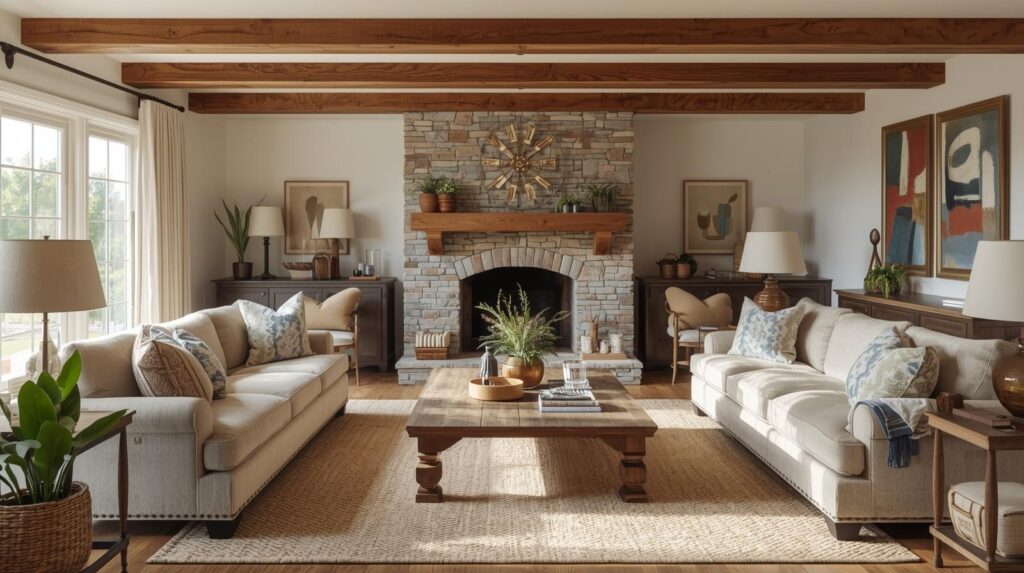
Several key characteristics define farmhouse living room style. Natural materials predominate, with wood, stone, and natural fibers creating warmth and texture. Colors draw from nature, favoring whites, creams, soft grays, and muted earth tones. Furniture tends toward the substantial and comfortable, with soft upholstery and weathered finishes. Accessories are personal and meaningful, telling stories rather than filling space. The overall effect is a room that feels both curated and casual, stylish and completely comfortable.
The Farmhouse Color Palette
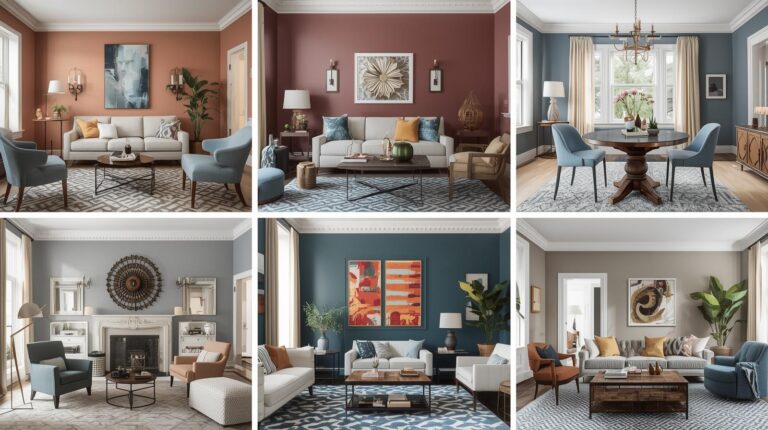
Color sets the foundation for any living room, and farmhouse style offers a palette that promotes warmth and calm while providing versatility for personal expression.
White stands as the quintessential farmhouse color. Crisp white walls create a fresh, clean backdrop that makes rooms feel larger and brighter. White also provides the perfect neutral canvas for other colors and textures, allowing them to shine without competition. In a farmhouse living room, white need not be stark; warm whites with cream or gray undertones add depth while maintaining the fresh quality essential to the aesthetic.
Cream and ivory offer softer alternatives to pure white, bringing warmth and gentleness to the farmhouse living room. These colors create cozy, enveloping spaces that feel nurturing and calm. Cream walls with white trim provide subtle contrast while maintaining the light, airy quality essential to farmhouse design.
Soft gray provides sophisticated neutrality that works beautifully in farmhouse living rooms. From pale silver to warm greige, gray offers endless possibilities for creating calm, inviting spaces. Warm grays with brown undertones create cozy atmospheres, while cooler grays contribute to crisper aesthetics. The key lies in choosing grays with sufficient warmth to feel welcoming rather than clinical.
Muted blues and greens appear frequently in farmhouse living rooms, drawn from the colors of the natural landscape. Soft sage green, dusty blue, or serene seafoam add gentle color without overwhelming the space. These hues promote relaxation and connection to nature, making them particularly appropriate for living areas.
Warm wood tones provide essential contrast and grounding. The natural colors of oak, pine, walnut, and reclaimed wood appear in furniture, flooring, and architectural details, adding warmth and authenticity to the neutral palette. These organic tones prevent the room from feeling too sterile or manufactured.
Foundational Furniture Pieces
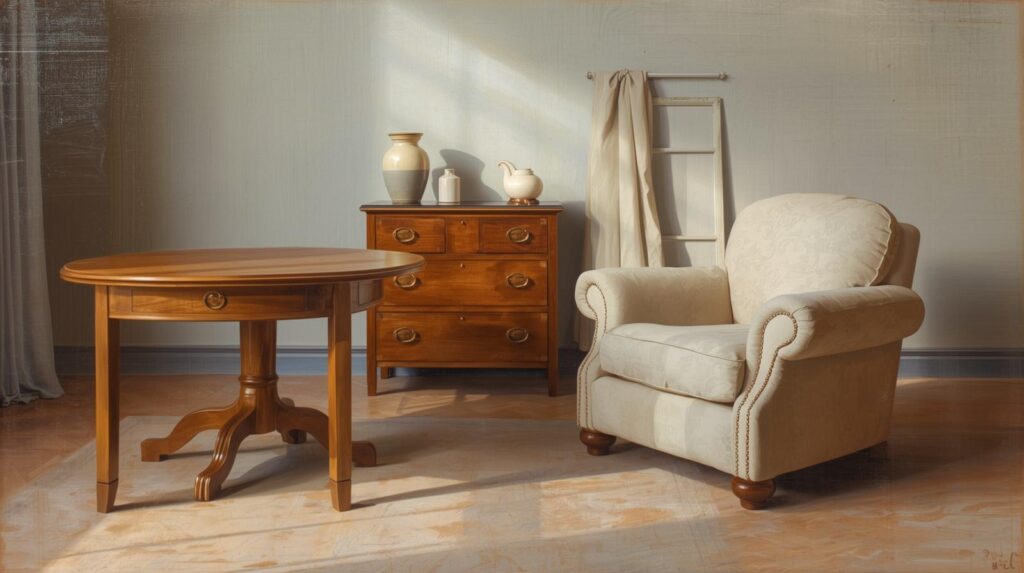
The furniture in a farmhouse living room should be comfortable, durable, and beautiful, with each piece earning its place through quality and character.
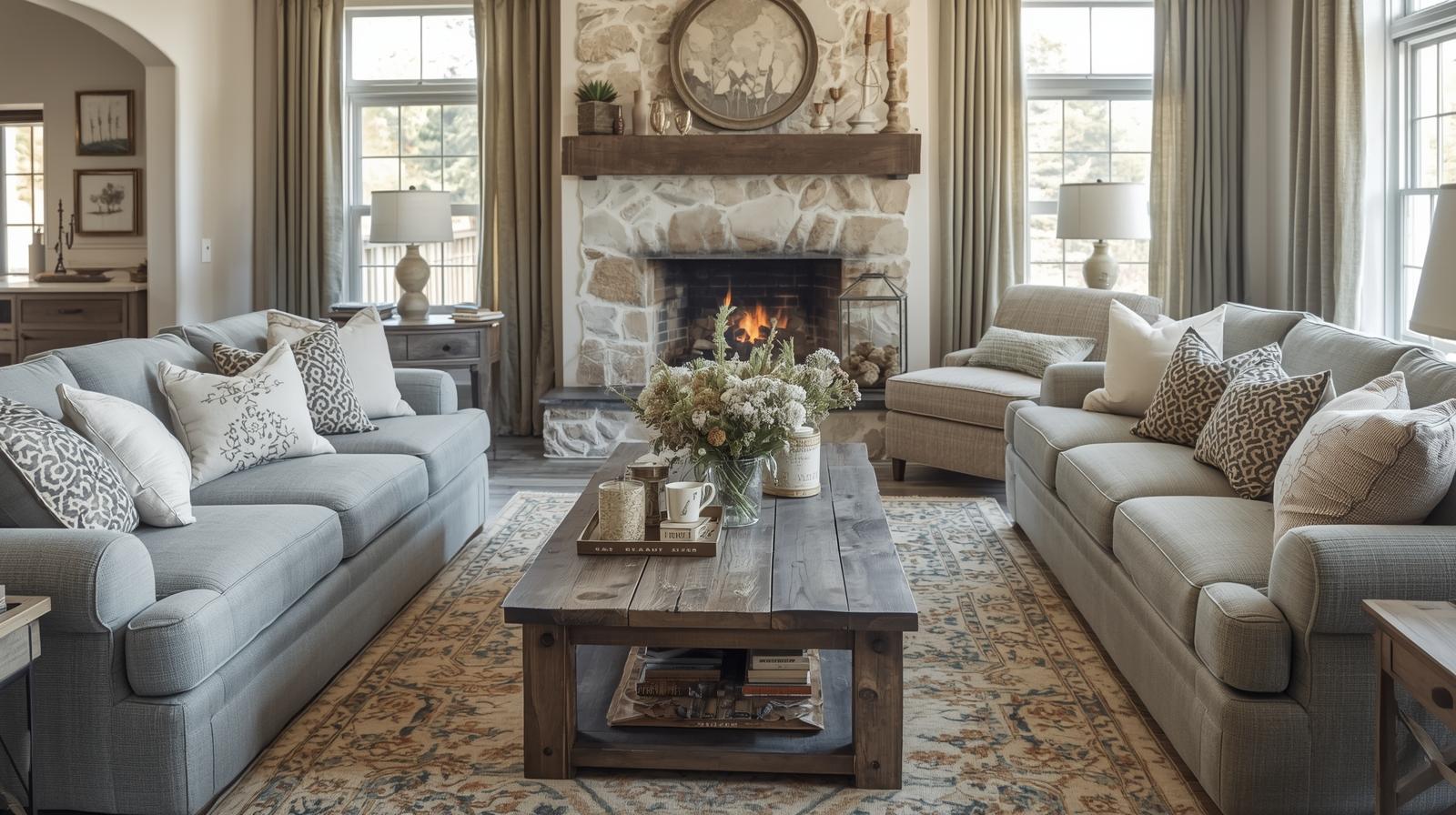
A comfortable sofa serves as the anchor of any living room. In farmhouse style, look for sofas with classic silhouettes and soft, inviting upholstery. Slipcovered sofas in linen or cotton embody farmhouse practicality, with covers that can be removed and washed as needed. Neutral tones like cream, gray, or soft blue provide versatility, while the relaxed look of linen slipcovers adds casual elegance. For a more traditional farmhouse look, consider a rolled-arm sofa in a durable fabric like twill or chenille.
Armchairs provide additional seating and opportunities for personality. A pair of matching chairs flanking a fireplace or sofa creates formal symmetry, while mismatched chairs with complementary character add collected charm. Look for chairs with classic farmhouse lines, perhaps with wood frames and comfortable cushions. Rocking chairs, particularly in wood, add authentic farmhouse character.
A coffee table serves both practical and aesthetic functions. In farmhouse style, look for tables with substantial presence and natural materials. Reclaimed wood coffee tables with visible grain and character bring authenticity and warmth. Painted tables in white or soft colors offer a lighter look. Cocktail tables with storage, such as a lift-top or drawers, add practical function for everyday living.
End tables beside sofas and chairs provide surfaces for lamps, books, and drinks. Choose tables that complement your coffee table in style and scale. Look for pieces with drawers or lower shelves for additional storage. Vintage finds, like an old wooden crate on legs or a small cabinet, add authentic farmhouse character.
A console table behind a sofa or against a wall adds surface space and display opportunities. In a farmhouse living room, a simple wood console with clean lines works beautifully. Style it with lamps, books, and collected objects for a personal touch.
Storage pieces like bookshelves, hutches, or cupboards provide space for display and concealment. Open shelving displays books and collected objects, while closed cabinets hide less attractive items. In farmhouse style, look for pieces with character, perhaps an antique hutch or a built-in bookcase with classic detailing.
Farmhouse Upholstery and Textiles
Textiles play an enormous role in creating the cozy, inviting atmosphere that defines farmhouse living rooms. Layering different fabrics and textures adds depth and visual interest while providing practical comfort.
Upholstery fabrics in natural materials suit farmhouse aesthetics best. Linen, cotton, wool, and blends provide durability and comfort while aging gracefully. Neutral solids provide versatility, while subtle patterns like ticking stripes, small-scale checks, or classic plaids add interest without overwhelming. In a farmhouse living room, upholstery should feel inviting rather than precious, comfortable enough for daily use.
Throw pillows add color, pattern, and comfort to sofas and chairs. Mix and match patterns and textures within a cohesive color palette for a collected, personal look. Linen pillows in solid colors, woven textures, and classic patterns like plaid or floral all work beautifully. The key lies in variety within harmony, creating visual interest without chaos.
Throws draped over sofas and chairs add both warmth and visual texture. A chunky knit throw in cream or gray, a woven blanket in muted colors, or a simple quilt folded over a chair back all contribute to the layered, inviting look essential to farmhouse style. These throws also provide practical warmth for chilly evenings.
Area rugs define seating areas and add softness underfoot. In farmhouse living rooms, natural fiber rugs like jute, sisal, or sea grass provide durable, textural foundations. Layer a softer rug, perhaps a wool flat-weave or vintage Oriental, over the natural fiber for additional comfort and style. Classic patterns like stripes, geometrics, or faded florals suit the farmhouse aesthetic.
Curtains should be simple and unfussy, allowing natural light to filter through while providing privacy when needed. Linen or cotton panels in white or cream work beautifully. Hang them high and wide to make windows appear larger and allow maximum light when open. For a more rustic look, consider tab-top curtains or those hung from simple wooden rings.
Farmhouse Fireplace Focal Point
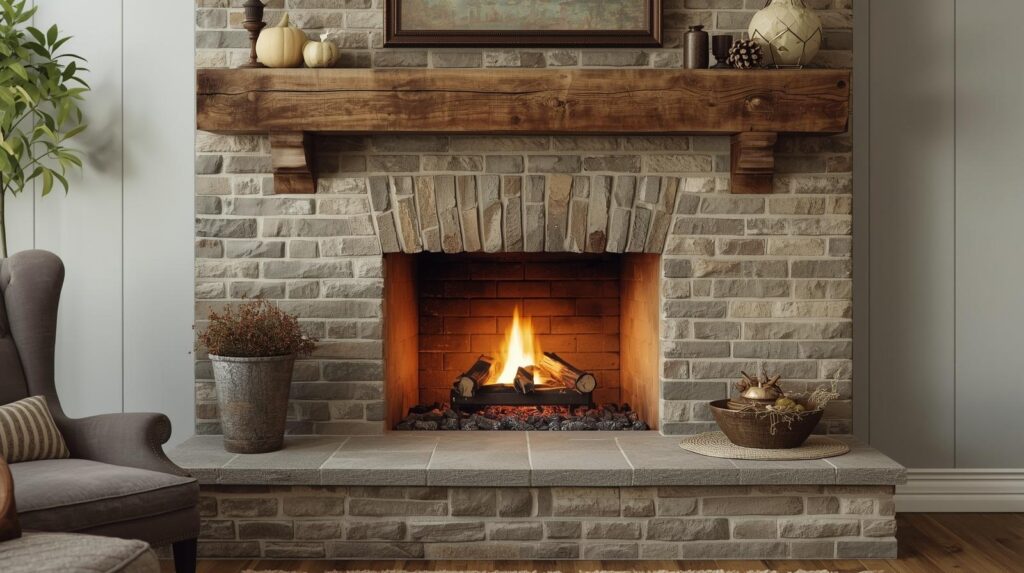
In many farmhouse living rooms, the fireplace serves as the natural focal point, deserving particular attention in design and styling.
A fireplace with authentic materials sets the tone for the entire room. Stone, whether fieldstone, limestone, or stacked stone, brings organic texture and permanence. Brick, particularly aged or whitewashed brick, adds rustic character. Simple wood mantels in reclaimed or painted finishes provide a shelf for display without overwhelming.
The mantel offers prime opportunity for seasonal and personal styling. In farmhouse style, keep arrangements simple and uncluttered. A large mirror or piece of art above the mantel provides anchor. Add a few carefully chosen objects, perhaps candlesticks in varying heights, a collection of vintage pitchers, or a simple garland of greenery. Change elements with seasons and holidays for fresh interest.
The hearth area, the space directly in front of the fireplace, deserves attention too. A simple wood box holds firewood, adding rustic texture. A woven basket stores extra blankets for cozy evenings. Andirons and fireplace tools in black iron add authentic detail.
For homes without working fireplaces, a mantel alone can create the look and provide a focal point. Style it similarly, perhaps adding candles for the glow that a fire would provide.
Farmhouse Lighting Design
Lighting in a farmhouse living room should be layered to accommodate different activities and times of day, with fixtures that contribute to the overall aesthetic.
Natural light remains the most important light source. Maximize window exposure and keep window treatments minimal to admit daylight when desired. The connection to outdoors and natural rhythms enhances the farmhouse feeling.
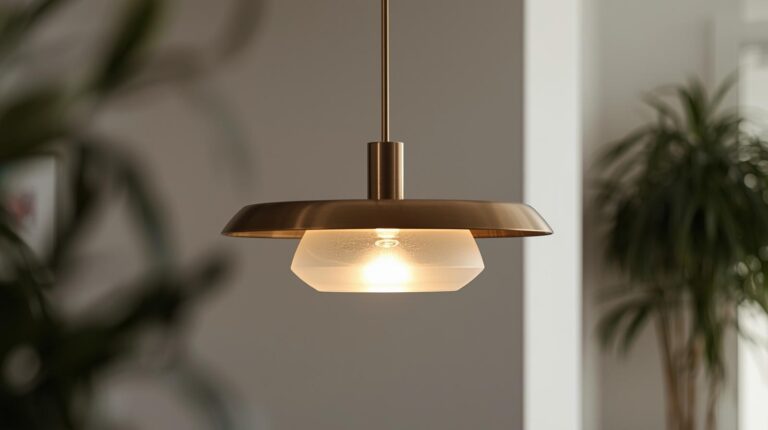
Overhead lighting provides general illumination. A beautiful light fixture, whether a chandelier, pendant, or ceiling mount, adds character while serving practical function. In farmhouse living rooms, look for fixtures in materials like wood, iron, or galvanized metal. Classic styles include wagon wheel chandeliers, schoolhouse pendants, and simple drum shades. For high ceilings, consider a statement fixture that draws the eye upward.
Table lamps on end tables and consoles provide task lighting and warm ambiance. Look for lamps with classic bases in ceramic, wood, or metal, paired with fabric shades in neutral tones. The warm glow of table lamps creates the cozy atmosphere essential to farmhouse living rooms.
Floor lamps add light in corners and beside seating areas. Arc floor lamps that reach over sofas provide reading light without table space. Simple tripod lamps in wood or metal suit farmhouse aesthetics. The key is providing adequate light for various activities while maintaining the warm, inviting atmosphere.
Dimmers on all light sources allow adjustment for different times of day and activities. Bright light for cleaning and entertaining can transition to soft, intimate glow for evening relaxation, all from the same fixtures.
Farmhouse Wall Treatments
Walls provide the backdrop for all other elements in a farmhouse living room, deserving careful consideration in material and finish.
Paint remains the simplest and most versatile wall treatment. High-quality paint in eggshell or matte finish provides subtle depth while minimizing reflections. Classic farmhouse colors include soft whites, warm creams, gentle grays, and muted blues or greens. Consider a slightly darker shade on an accent wall for added drama without overwhelming the space.
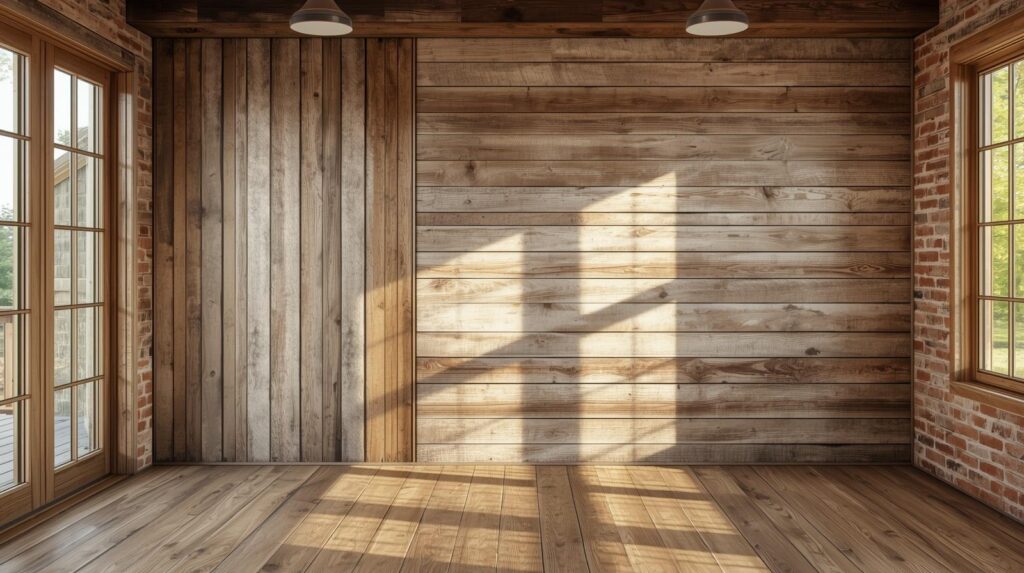
Shiplap has become almost synonymous with farmhouse style, and for good reason. This horizontal wood paneling adds texture and architectural interest while reinforcing the rural aesthetic. White-painted shiplap creates a clean, fresh backdrop, while natural wood tones add warmth. Even a single shiplap accent wall can transform the room’s character.
Board and batten, another classic farmhouse wall treatment, adds vertical interest and traditional charm. Painted white or in soft colors, it provides subtle texture while maintaining the light, airy quality essential to farmhouse design.
Beadboard, with its characteristic vertical grooves, adds cottage charm to farmhouse living rooms. Used on lower walls as wainscoting or on entire walls, beadboard brings texture and traditional character. Painted white, it brightens spaces while adding architectural interest.
Exposed brick, where available, adds authentic rustic character. Whether original to the home or created with brick veneer, an exposed brick wall brings warmth, texture, and connection to historical building traditions.
Farmhouse Artwork and Accessories
The finishing touches in a farmhouse living room should be personal and meaningful, chosen with care rather than accumulated carelessly.
Artwork adds personality and visual interest. In farmhouse living rooms, choose pieces that speak to you personally rather than merely matching the decor. Landscapes, botanical prints, vintage advertising signs, and simple typography all suit farmhouse aesthetics. Frame pieces simply, in wood or black metal, allowing the art itself to shine.
Mirrors serve both decorative and practical functions. A large mirror above a mantel or console reflects light and makes rooms feel larger. Leaning mirrors add casual elegance. Choose frames in wood, white, or black metal that complement your overall aesthetic.
Personal photographs in simple frames add warmth and meaning. Choose a few favorite images and display them thoughtfully rather than covering every surface. Group them on a console or shelf for collected impact.
Collections displayed with restraint add personality without clutter. A collection of blue and white ceramics on a shelf, a grouping of vintage clocks on a wall, or a tray of treasured objects on a coffee table all contribute to the collected, personal feel essential to farmhouse style.
Books, both for reading and display, add color and personality. Stack them on coffee tables, arrange them on shelves, and use them to add height to displays. Choose books with beautiful covers or personal significance.
Greenery and flowers bring life and color to farmhouse living rooms. Fresh flowers in a simple vase, potted plants on shelves, or a wreath on the wall add organic beauty that changes with the seasons. Even dried arrangements, like lavender bundles or eucalyptus, provide lasting texture and fragrance.
Farmhouse Window Treatments
Window treatments in a farmhouse living room should balance light control, privacy, and aesthetic simplicity.
Simple linen or cotton curtains in white or cream allow light to filter through while providing privacy. Hang them high and wide to make windows appear larger and allow maximum light when open. For a more rustic look, consider tab-top curtains or those hung from simple wooden rings.
Roman shades offer clean lines and excellent light control. Choose natural fabrics like linen or cotton in neutral tones that complement your palette. When raised, they stack neatly at the top of the window, maintaining clean sight lines.
Bamboo or woven wood shades bring natural texture while providing privacy and light control. These shades complement farmhouse aesthetics beautifully, particularly in rooms with rustic or natural elements. Pair them with fabric curtains for a layered, polished look.
Leave windows as unadorned as possible if privacy allows and views are pleasant. Maximum natural light creates an airy, welcoming atmosphere that artificial light cannot replicate. Simple window trim in white or wood provides enough definition without curtains.
Creating Farmhouse Comfort
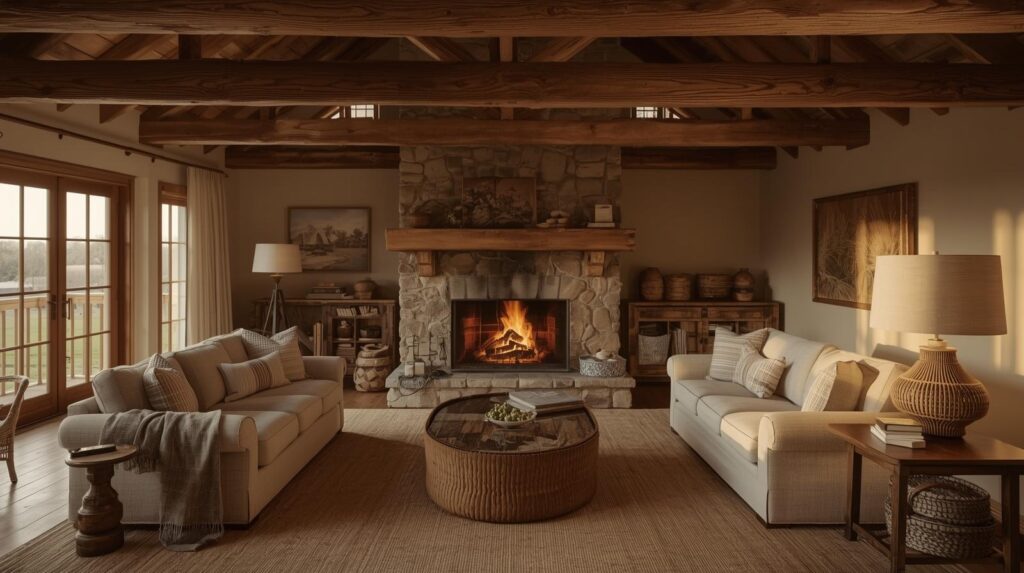
Beyond the visual elements, a farmhouse living room should feel genuinely comfortable and inviting. Several considerations contribute to this essential quality.
Seating arrangement matters enormously for conversation and comfort. Arrange furniture to facilitate easy conversation, with seats facing each other rather than all directed at a television. Ensure adequate space for traffic flow while keeping seating intimate enough for easy talking.
Comfortable seating with appropriate cushions and sufficient depth makes guests want to linger. Test furniture before purchasing, and don’t sacrifice comfort for appearance. In a farmhouse living room, comfort always trumps fashion.
Soft textures throughout the room invite touch and relaxation. Plush rugs underfoot, soft throws within reach, and comfortable pillows all contribute to the sensory experience of the room. These elements make the space feel genuinely welcoming rather than merely attractive.
Personal touches that reflect the people who live in the home make the room feel authentic. Family photos, children’s artwork, inherited objects, and collected treasures all add layers of meaning that cannot be manufactured. A farmhouse living room should tell the story of the family that lives there.
Conclusion: The Welcoming Heart of Home
A thoughtfully designed farmhouse living room represents far more than a place to sit. It embodies the values at the heart of farmhouse living: warmth, hospitality, connection to tradition, and the celebration of everyday life. In this space, families gather, memories are made, and the genuine comfort of home is experienced daily.
Whether you are creating a new living room or refreshing your current space, the principles of farmhouse design guide you toward a room that is both beautiful and livable. Natural materials, comfortable furniture, personal touches, and thoughtful attention to detail combine to create a living room that welcomes all who enter.
So take time to plan your farmhouse living room with care. Choose furniture that invites lingering, colors that promote calm, and accessories that tell your family’s story. The result will be a living room that serves as the true heart of your home, a space where the enduring appeal of farmhouse style meets the genuine comfort of everyday life.