Easter Aesthetic: Embracing the Beauty and Joy of the Season
There is something magical about the Easter season. As spring unfolds around us, the world seems to soften and brighten, offering a palette of colors and sensations that feel almost otherworldly after winter’s dormancy. The Easter aesthetic captures this magic, translating the season’s gentle beauty into decor, fashion, food, and celebration. From the soft pastels of dyed eggs to the fresh greens of spring flowers, from the whimsy of bunnies and chicks to the reverence of religious observance, Easter offers a rich visual vocabulary that speaks to both the sacred and the secular. Whether you celebrate the holiday’s religious meaning, embrace its seasonal charm, or simply love the beauty of spring, the Easter aesthetic provides endless inspiration for creating moments of joy and beauty. This comprehensive guide explores the elements of Easter aesthetic, helping you embrace the season with style and intention.
Understanding the Easter Aesthetic
Before diving into specific elements, it is helpful to understand what makes the Easter aesthetic distinct from other spring celebrations. Easter sits at the intersection of several powerful themes: religious observance of resurrection and renewal, pagan celebrations of spring’s return, and cultural traditions that have evolved over centuries.
This layered history gives Easter a uniquely rich aesthetic vocabulary. Religious imagery of lilies, crosses, and empty tombs speaks to the holiday’s sacred meaning. Spring symbols of eggs, bunnies, and flowers celebrate nature’s renewal. Cultural traditions of egg decorating, Easter parades, and festive meals add layers of personal and communal expression.
The Easter aesthetic embraces both the solemn and the joyful, the sacred and the whimsical. It can be as simple as a single perfect tulip in a vase or as elaborate as a fully decorated table for a family gathering. This flexibility allows everyone to participate in ways that feel authentic to their own traditions and tastes.
The Easter Color Palette
Color forms the foundation of any aesthetic, and Easter offers one of the most beloved color palettes in the seasonal cycle.
The Signature Pastels
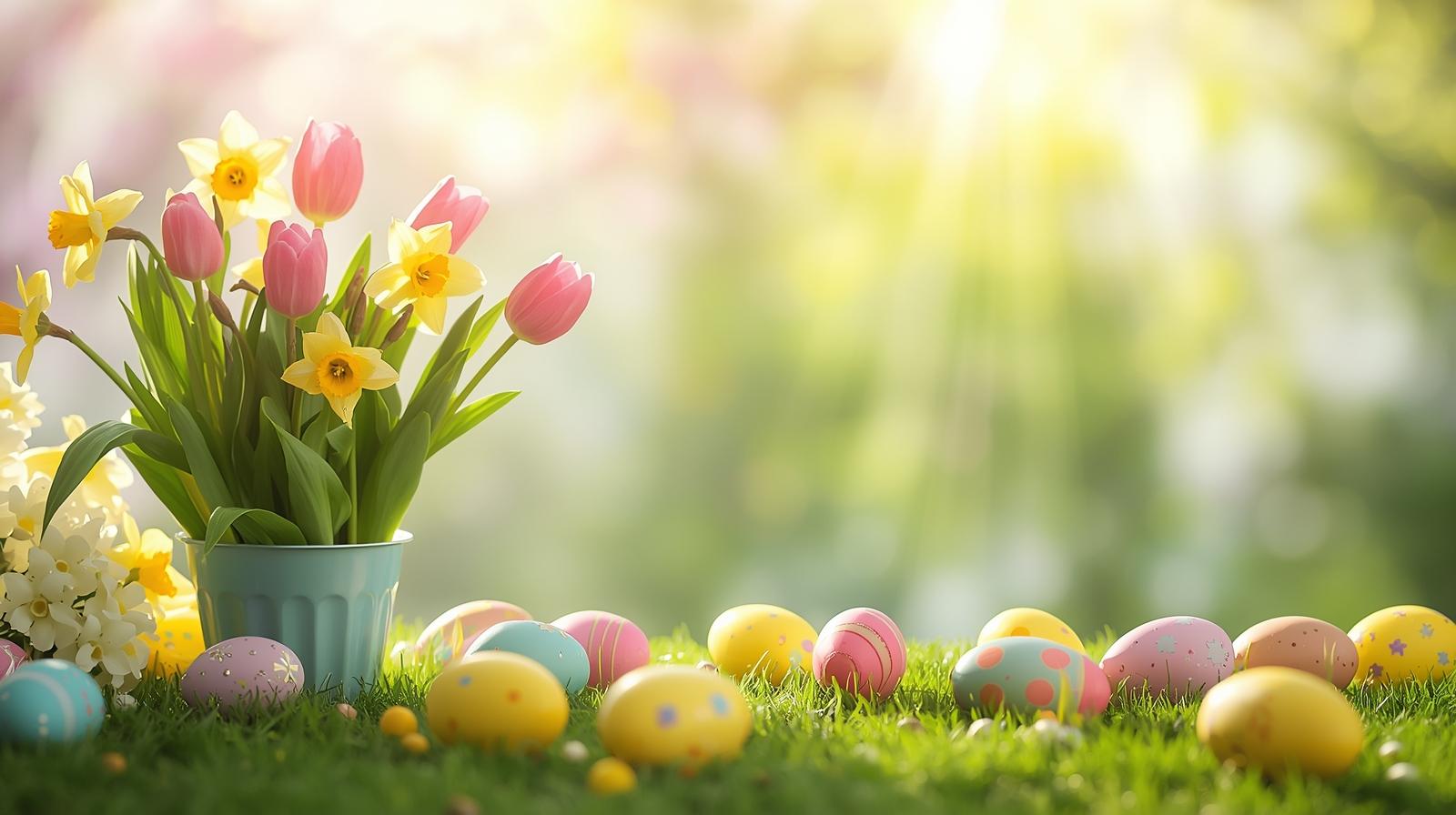
Pastels define the Easter aesthetic more than any other color family. These soft, light versions of pure hues seem to capture the gentle quality of spring itself. Blush pink, the color of cherry blossoms and early roses, brings warmth and tenderness. Sky blue, the color of clear spring days, evokes openness and possibility. Mint green, the color of new leaves, connects us to nature’s renewal. Butter yellow, the color of daffodils, infuses everything with gentle optimism. Lavender, the color of lilacs, adds a touch of romance and mystery.
These pastels work together in endless combinations, their softness allowing them to harmonize rather than compete. A palette of blush, mint, and cream feels fresh and romantic. Sky blue with butter yellow captures the cheerfulness of spring days. Lavender and soft gray create sophisticated calm. The key to the Easter palette lies in their shared softness, which creates unity even when many colors appear together.
Fresh Greens
Beyond pastels, Easter is defined by greens in infinite variety. The first greens of spring are unlike any other, tender and almost translucent, seeming to glow with inner light. These appear in Easter decor through fresh grasses, potted plants, and woven wreaths. Wheatgrass centerpieces, moss-covered tables, and garlands of eucalyptus all bring spring’s essential green to Easter celebrations.
Crisp Whites
White plays a crucial role in the Easter aesthetic, representing purity, renewal, and the clean slate of spring. Unlike winter’s stark whites, which can feel cold and harsh, Easter whites have warmth and softness. Cream, ivory, and warm white appear in table linens, candle arrangements, and floral displays. White flowers, from lilies to daffodils to tulips, embody the season’s purity and promise.
Gold Accents
Gold adds warmth and elegance to Easter aesthetics. Gilded eggs, gold-rimmed dishes, and golden candleholders elevate pastel palettes with touches of luxury. The warmth of gold complements both soft pastels and crisp whites, adding depth and sophistication to Easter tables and decor.
Easter Floral Aesthetic
Flowers are essential to the Easter aesthetic, bringing life, color, and fragrance to celebrations.
Traditional Easter Flowers
Certain flowers have become so associated with Easter that they appear in celebrations worldwide. The white lily, often called the Easter lily, symbolizes purity and resurrection, its trumpet-shaped flowers announcing spring’s arrival. These majestic blooms feature prominently in churches and homes during the season.
Daffodils, with their cheerful yellow trumpets, embody the joy of spring. Tulips in every pastel shade bring Dutch garden charm to Easter tables. Hyacinths add intense fragrance along with their spikes of pink, white, or blue flowers. Forsythia branches, bare except for their brilliant yellow blooms, bring the garden indoors.
Creating Easter Floral Arrangements
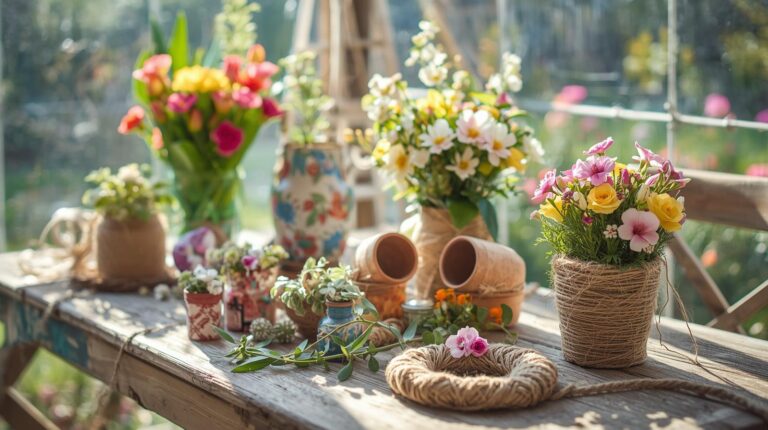
Easter floral arrangements tend toward the lush and abundant, celebrating spring’s fertility and beauty. A mix of tulips, daffodils, and hyacinths in a white ceramic pitcher creates casual elegance. A single large lily in a simple vase makes a powerful statement. Moss-covered containers filled with spring bulbs bring living beauty to tabletops.
For a more modern take, consider monochromatic arrangements in a single pastel shade. All-white arrangements feel particularly appropriate for religious observances, while mixed pastels capture the holiday’s playful side. Add pussy willow branches or curly willow for architectural interest.
Edible Flowers
Edible flowers connect Easter’s floral aesthetic to its culinary traditions. Candied violets top Easter cakes and cookies. Nasturtiums add peppery beauty to spring salads. Pansies and violas, with their cheerful faces, decorate everything from cupcakes to cheese plates. These edible blooms reinforce the connection between beauty and nourishment that defines spring celebrations.
Easter Table Aesthetic
The Easter table serves as centerpiece for family gatherings, deserving particular attention in any Easter aesthetic.
Table Linens
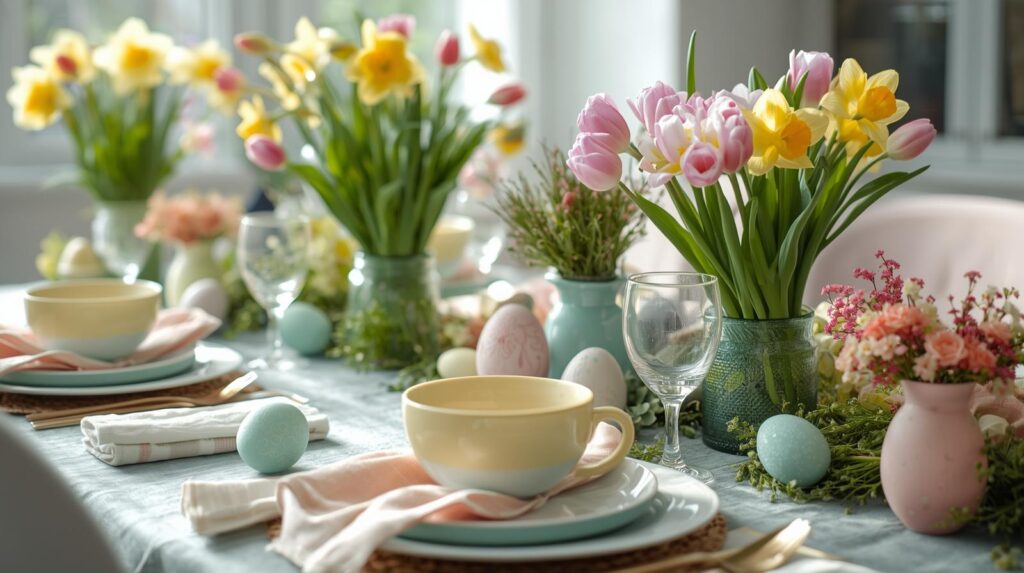
Table linens set the foundation for Easter tablescapes. Soft pastel tablecloths in mint, blush, or butter yellow create welcoming foundations. Crisp white linens provide classic elegance that allows other elements to shine. Natural linen or burlap runners add rustic charm for casual celebrations.
Napkins offer opportunities for color and pattern. Pastel solids, delicate floral prints, or simple stripes all work beautifully. Fold them simply or tie with twine and a sprig of fresh herbs for casual elegance.
Dinnerware and Glassware
White dinnerware provides the perfect canvas for Easter’s colorful foods. For special celebrations, bring out your most beautiful china, perhaps with floral patterns that echo spring. Clear glassware sparkles against pastel linens, while colored glass in soft hues adds another layer of Easter color.
For casual gatherings, mix and match vintage finds in pastel colors. Mismatched plates in soft shades create collected, personal tables that feel warm and welcoming rather than formal and stiff.
Centerpieces
Easter centerpieces range from elaborate floral arrangements to simple groupings of decorated eggs. A collection of candlesticks in varying heights, surrounded by moss and small blooms, creates elegant drama. A cluster of potted bulbs, wrapped in decorative paper and tied with ribbon, brings living beauty to the table. A simple bowl of dyed eggs, perhaps nestled in grass or moss, connects to Easter’s oldest traditions.
For children’s tables, centerpieces become interactive. Small pots with grass and candy eggs, bunny figures, or baskets of treats engage young diners while adding to the festive atmosphere.
Candles
Candles add warmth and ambiance to Easter gatherings. Tapers in pastel colors, grouped in crystal or silver holders, create elegant height. Pillar candles surrounded by flowers or eggs anchor centerpieces. Tea lights scattered among decorations add sparkle and warmth as evening falls.
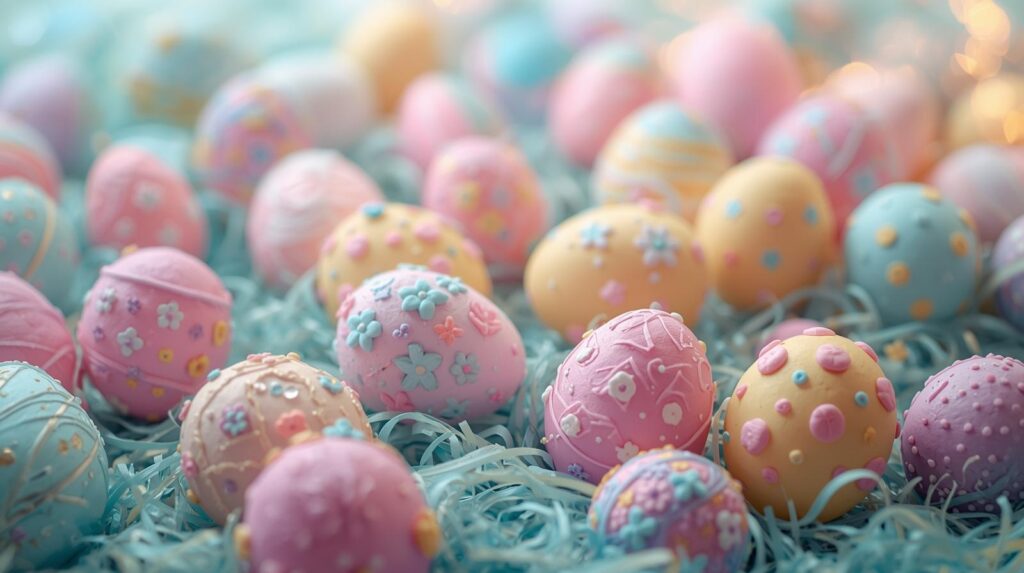
Easter Egg Aesthetic
Decorated eggs lie at the heart of Easter’s visual culture, offering endless possibilities for creative expression.
Traditional Dyed Eggs
The simplest and most beloved Easter eggs are those dyed in solid colors. Kits with tablets that create soft pastels produce the classic Easter look. For deeper, richer colors, natural dyes from vegetables and spices create beautiful, subtle hues. Onion skins produce golden brown, beets create pink, and turmeric yields yellow.
The beauty of simple dyed eggs lies in their uniformity and the way colors interact when grouped together. A bowl of eggs in graduating shades of a single color creates sophisticated simplicity. A mix of all the pastels captures the joy and abundance of spring.
Decorated and Embellished Eggs
For those with more time and creativity, decorated eggs offer endless possibilities. Ukrainian pysanky eggs, with their intricate wax-resist patterns, represent the pinnacle of egg artistry. Decoupage eggs covered in tiny paper cutouts create delicate beauty. Glitter-dusted eggs add sparkle to modern celebrations.
Natural embellishments like moss, tiny flowers, and feathers connect decorated eggs to the spring landscape. These organic elements soften the formality of dyed eggs and reinforce the connection to nature.
Modern Egg Displays
Beyond the traditional egg bowl, creative displays showcase decorated eggs in new ways. Egg trees, branches hung with blown eggs, create dramatic vertical displays. Egg garlands strung on ribbon add color to mantels and windows. Egg topiaries, foam cones covered in eggs, make stunning centerpieces.
Clear glass vases filled with eggs in graduated colors create simple, modern displays. Cloches covering nests of eggs add vintage charm. The possibilities are limited only by imagination.
Easter Bunny Aesthetic
The Easter bunny, with its long ears and gentle demeanor, adds whimsy and charm to the holiday’s visual culture.
Bunny Imagery
Bunny imagery appears everywhere during Easter, from greeting cards to decorations to children’s clothing. Vintage illustrations of bunnies in clothing have particular charm, their anthropomorphic qualities appealing to children and adults alike. Simple bunny silhouettes in black or white create modern, graphic impact. Realistic rabbit imagery connects to the natural world and spring’s fertility.
Bunny Decorations
Bunny-themed decorations range from elegant to whimsical. Ceramic bunnies in neutral tones add sophistication to adult tables. Flocked bunnies with their soft texture appeal to children. Wooden bunnies in natural finishes bring rustic charm. Fabric bunnies, whether handmade or store-bought, add softness and nostalgia.
For a modern take, limit bunny imagery to one or two well-chosen pieces rather than overwhelming the space. A single large bunny figure or a collection of simple silhouettes makes a statement without crossing into kitsch.
Bunny in Children’s Celebrations
For children, the Easter bunny takes center stage. Baskets decorated with bunny imagery, bunny-shaped cookies and cakes, and bunny crafts all engage young celebrants. The Easter bunny’s visit, with its hidden eggs and baskets of treats, creates magical memories that last a lifetime.
Easter Fashion Aesthetic
Easter attire has long been part of the holiday’s tradition, with Easter parades and church services providing occasions for dressing up.
The Easter Bonnet
The Easter bonnet represents one of the holiday’s most enduring fashion traditions. Whether elaborate creations covered in flowers and ribbons or simple straw hats with a single bloom, Easter bonnets add whimsy and elegance to celebrations. The tradition of wearing new clothes at Easter, symbolizing renewal and spring, finds its ultimate expression in these beautiful hats.
Pastel Dressing
Easter fashion embraces the holiday’s signature pastels. Blush pink dresses, mint green sweaters, and butter yellow accessories bring the Easter palette to personal style. For men, pastel shirts, ties, and pocket squares add spring color to traditional suiting.
Children’s Easter attire reaches peak adorableness with smocked dresses, little suits, and matching sibling outfits. These traditions connect generations and create photographic memories that families treasure.
Floral Prints
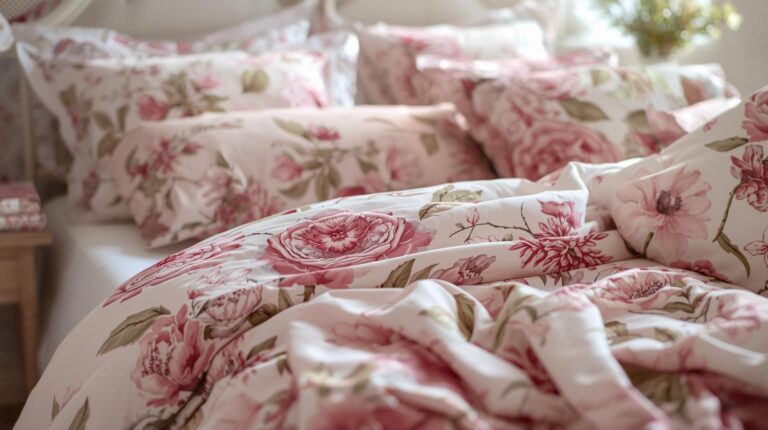
Floral prints dominate Easter fashion, from delicate Liberty prints to bold garden blooms. A floral dress in spring colors captures the season’s essence while providing a wardrobe staple for spring celebrations. Floral accessories, scarves, handbags, and shoes, add Easter touches to any outfit.
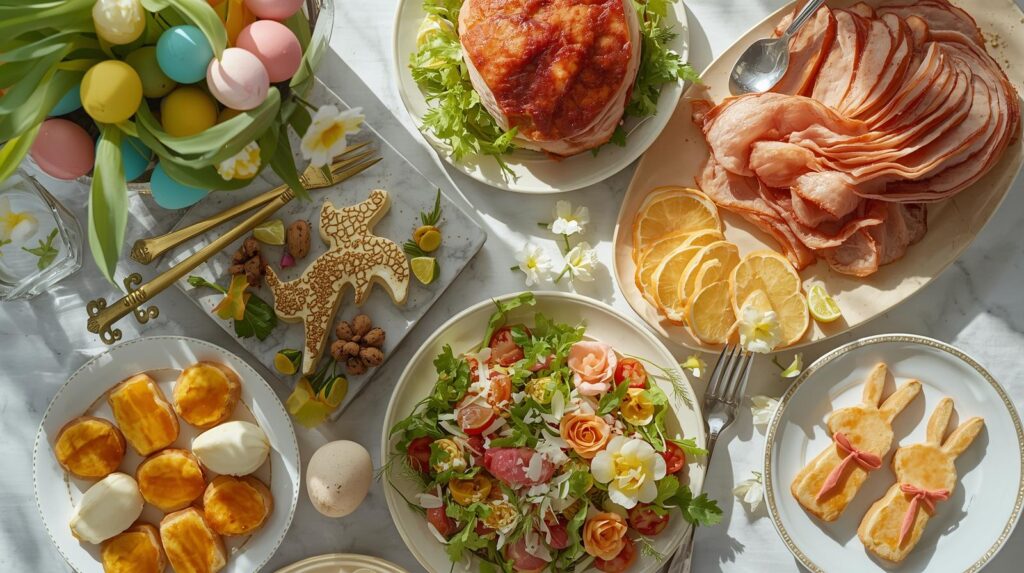
Easter Food Aesthetic
Easter foods engage all the senses, with visual presentation as important as flavor.
Easter Breads and Pastries
Traditional Easter breads appear in countless cultural variations, each with its own visual character. Greek tsoureki, braided and studded with red eggs, combines bread and egg traditions. Italian colomba, shaped like a dove, represents peace and spring. Hot cross buns, with their simple icing crosses, connect to Good Friday observances.
These breads, beautiful in themselves, become centerpieces for Easter breakfast or brunch. Displayed on beautiful platters, surrounded by spring flowers, they celebrate both culinary tradition and seasonal beauty.
Easter Desserts
Easter desserts embrace the holiday’s playful side. Egg-shaped cakes, nest cookies with candy eggs, and bunny-shaped cupcakes all bring whimsy to the table. Pastel-colored macarons, decorated sugar cookies, and spring-themed cake pops offer bite-sized beauty.
For elegant gatherings, a simple cake decorated with fresh flowers captures spring’s beauty without crossing into kitsch. Lemon cake with buttercream and violets, coconut cake with pastel sprinkles, or angel food cake with berries all celebrate the season.
The Easter Table Setting
Beyond individual dishes, the overall table setting creates the Easter food aesthetic. Foods arranged on platters with fresh herbs and edible flowers, serving pieces that coordinate with the table’s color scheme, and careful attention to presentation all contribute to the visual feast.
Easter for Children
Children experience Easter through its most magical elements, and the aesthetic should engage their sense of wonder.
Egg Hunts
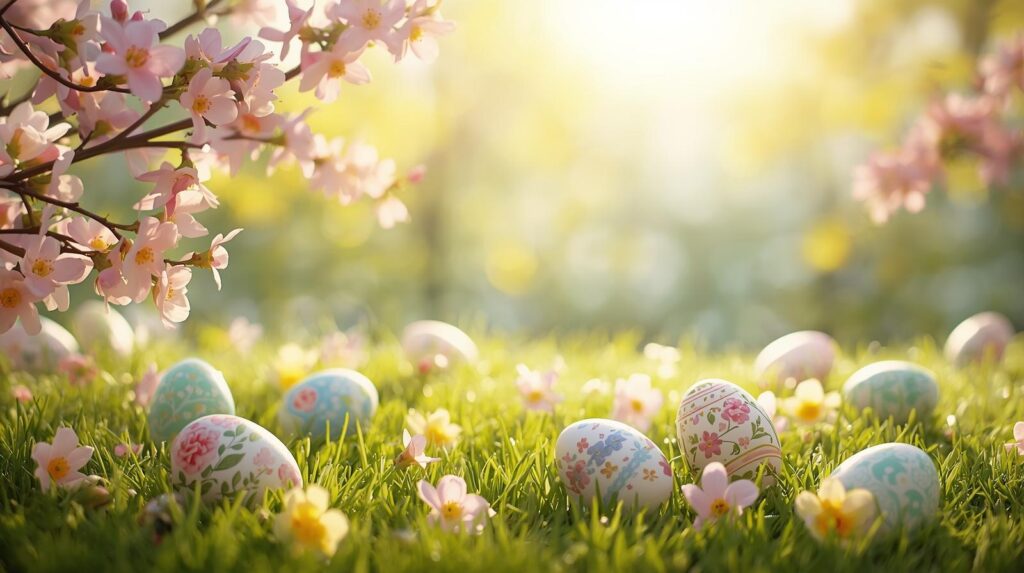
The Easter egg hunt represents the peak of children’s Easter experience. Whether with real decorated eggs hidden in the garden or plastic eggs filled with treats, the hunt creates excitement and joy. The visual of colorful eggs scattered across green grass, children in pastel clothing searching with baskets in hand, captures Easter’s essence.
Easter Baskets
Easter baskets, whether traditional wicker or modern alternatives, deserve aesthetic attention. Lined with colorful grass or tissue, filled with treats arranged beautifully, topped with cellophane and ribbon, the basket itself becomes part of the gift. Personal touches, a favorite candy, a small toy, a book, make each basket unique.
Crafts and Activities
Easter crafts engage children’s creativity while reinforcing the holiday’s visual vocabulary. Egg decorating in all its forms, bunny mask making, and spring flower crafts occupy children during holiday preparations and create decorations that families treasure.
Conclusion: Embracing the Easter Aesthetic
The Easter aesthetic offers something for everyone, from the solemn beauty of religious observance to the whimsical joy of children’s celebrations. Its soft pastels and fresh greens, its flowers and eggs, its bunnies and bonnets all combine to create a visual language that speaks of renewal, hope, and joy.
Whether you celebrate Easter as a religious holiday, a secular spring festival, or simply an occasion to gather with loved ones, embracing its aesthetic enriches your experience. The act of decorating, of setting a beautiful table, of dressing with care, of creating beauty through food and craft, these practices connect us to generations who have celebrated spring’s return for centuries.
So take time this Easter to notice the colors, to arrange flowers, to set a beautiful table, to dress with intention. Let the season’s beauty fill your home and your heart. And in doing so, participate in the ancient human tradition of celebrating spring, of marking renewal, of creating beauty to honor life itself.