Classic Bedroom Ideas: Timeless Elegance for Your Personal Sanctuary
There is something profoundly comforting about a classic bedroom. In an era of rapidly changing trends and ever-evolving design fads, classic style offers a sense of permanence and stability that feels particularly appropriate for the space where we begin and end each day. A classic bedroom transcends passing fashions, drawing on design principles that have pleased generations and will continue to please for generations to come. This is not a style that shouts for attention but rather one that whispers of quality, comfort, and enduring good taste. Whether you are furnishing a new home or refreshing your current space, classic bedroom ideas provide a foundation for creating a personal sanctuary that will feel right for years, even decades, to come. This comprehensive guide explores the essential elements of classic bedroom design and offers inspiration for creating a space of timeless elegance.
Understanding Classic Bedroom Style
Before exploring specific design elements, it is helpful to understand what makes a bedroom truly classic rather than merely traditional or antique. Classic style draws on design principles that have proven their worth over time, emphasizing proportion, balance, quality, and understated elegance.
Classic does not mean stuffy or museum-like. A classic bedroom should feel livable and personal, not like a period room in a historic house. The goal is to create a space that feels both timeless and fresh, rooted in tradition but responsive to contemporary life. This balance between past and present, between established principles and personal expression, defines successful classic design.
At its core, classic style values quality over quantity, craftsmanship over trendiness, and comfort over fashion. A classic bedroom might include antique pieces alongside new ones, traditional patterns alongside simpler elements, and personal treasures alongside more formal furnishings. The result is a space that feels collected over time rather than decorated all at once, a room with depth and character that rewards careful attention.
The Classic Color Palette
Color sets the foundation for any bedroom, and classic style offers a palette that promotes calm, restful spaces while providing versatility for personal expression.
White stands as the ultimate classic bedroom color. Crisp white walls, white bedding, and white trim create a fresh, clean backdrop that makes the room feel larger and brighter. White also provides the perfect neutral canvas for other colors and patterns, allowing them to shine without competition. In a classic bedroom, white need not be stark; warm whites with cream or gray undertones add depth while maintaining the fresh quality that makes white so appealing.
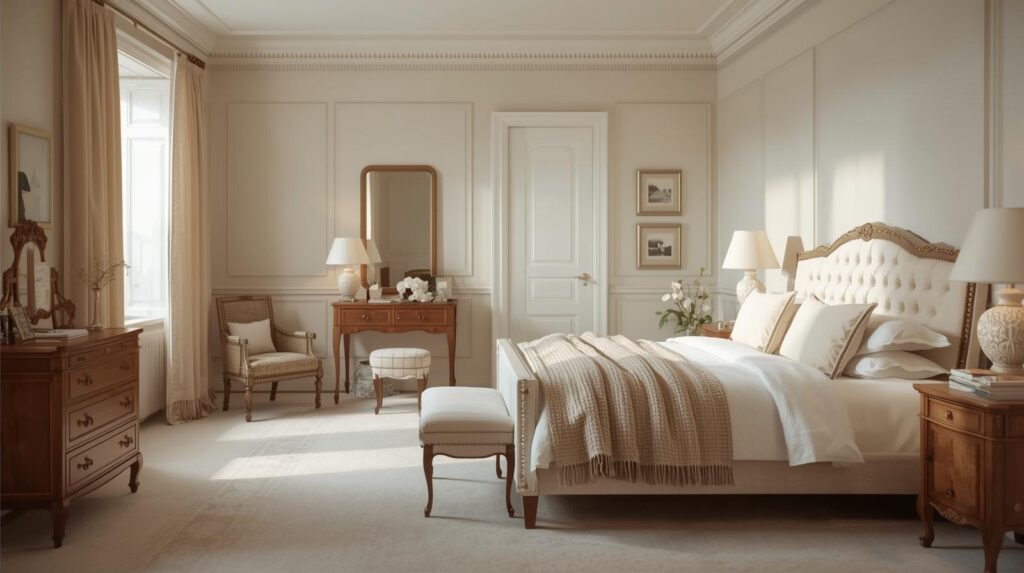
Cream and ivory offer softer alternatives to white, bringing warmth and gentleness to the classic bedroom. These colors create cozy, enveloping spaces that feel nurturing and calm. Cream walls with white trim provide subtle contrast while maintaining the light, airy quality essential to classic design.
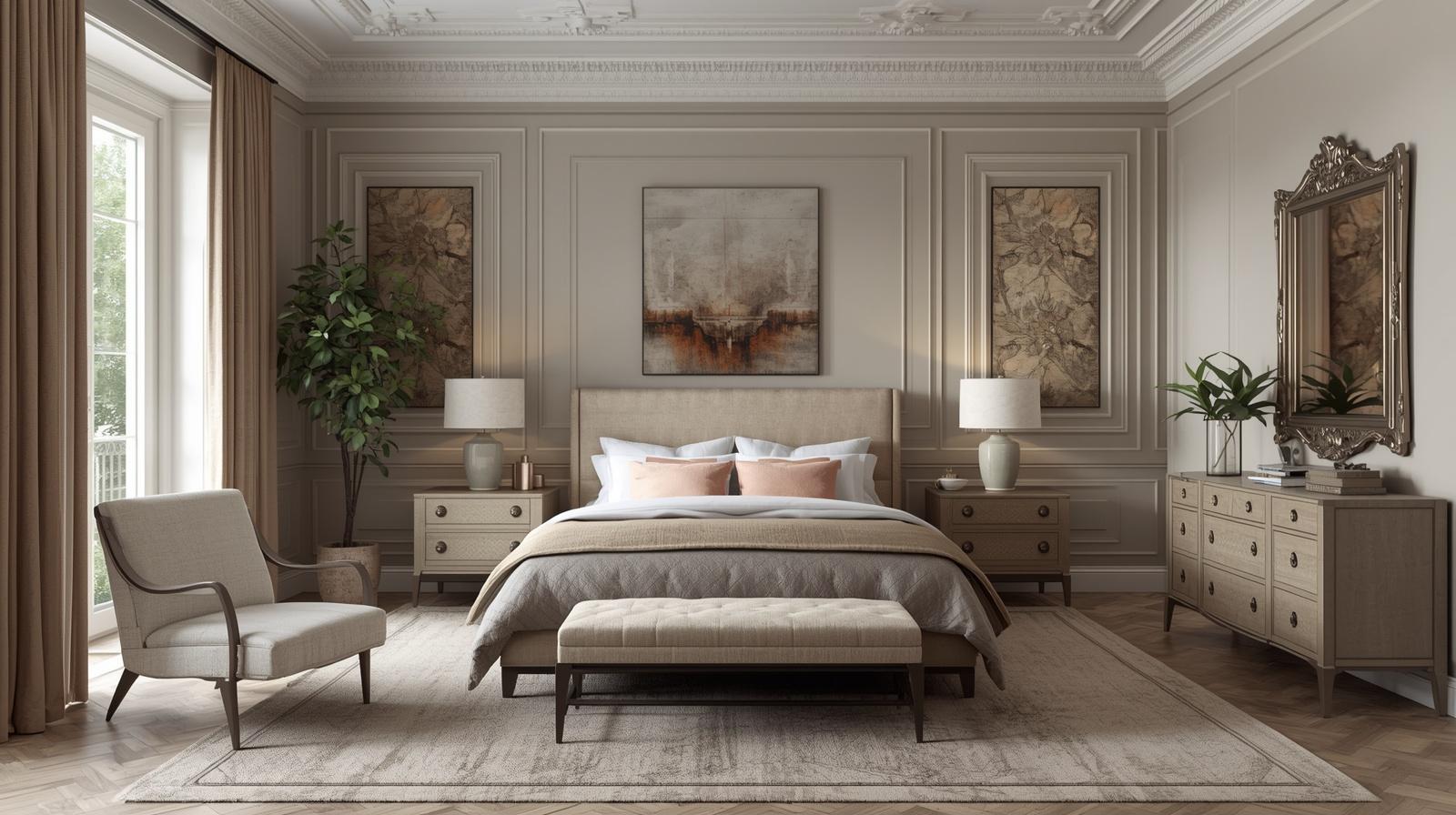
Soft neutrals extend the classic palette with additional options. Greige, a blend of gray and beige, offers sophisticated neutrality that works beautifully in classic bedrooms. Soft taupe brings warmth without weight. These versatile neutrals provide excellent backdrops for both traditional and contemporary furnishings.
Muted blues appear frequently in classic bedrooms, drawn from the colors of the sky and sea. Soft powder blue, serene duck egg blue, or deeper Williamsburg blue all suit classic aesthetics while promoting the calm essential to bedroom spaces. These colors work beautifully on walls or as accents in bedding and accessories.
Gentle greens connect the bedroom to nature while adding subtle color. Sage green, celadon, and soft moss tones bring organic warmth without overwhelming. In a classic bedroom, these colors often appear in botanical prints, upholstery, or as soft wall colors.
Warm grays provide sophisticated neutrality that complements both traditional and contemporary elements. Unlike cooler grays that can feel stark, warm grays with brown or beige undertones create cozy, welcoming spaces suitable for classic bedrooms.
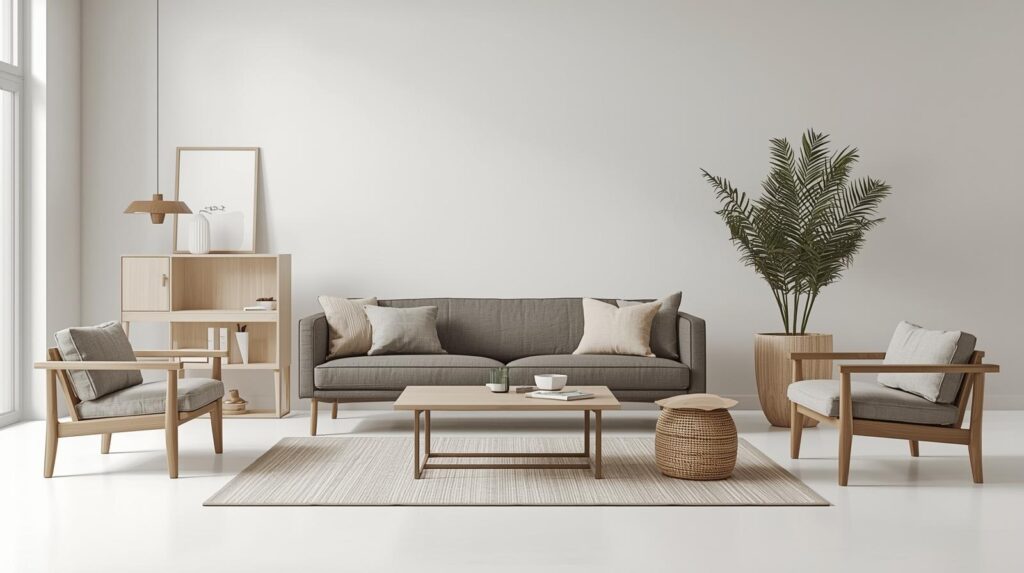
Foundational Furniture Pieces
The furniture in a classic bedroom should be substantial without being overwhelming, beautiful without being precious. Each piece should earn its place through quality construction, timeless design, and practical function.
The bed naturally serves as the focal point of any bedroom, and in classic design, it deserves particular attention. A well-made bed frame in wood or upholstered finish provides the foundation. Classic bed styles include the sleigh bed with its graceful curved ends, the four-poster bed offering architectural presence, the simple panel bed with clean lines, and the elegant canopy bed for maximum drama. Choose a style that suits your space and personal taste, ensuring it is appropriately scaled for the room.
Quality matters enormously in a bed that will be used nightly for years. Solid wood construction, sturdy joinery, and proper finishing ensure longevity. An heirloom-quality bed may cost more initially but provides decades of service and satisfaction.
Nightstands flanking the bed provide essential surface space and storage. Look for pieces that complement the bed’s style while offering practical features like drawers for storage and sufficient surface area for a lamp, books, and nightly necessities. Matching nightstands create formal symmetry, while carefully chosen mismatched pieces add collected character.
A dresser or chest of drawers provides storage for clothing and personal items. In a classic bedroom, this piece should be substantial enough to serve its purpose without overwhelming the space. Look for quality construction, dovetailed drawers, and beautiful hardware. A large mirror above the dresser adds functionality while making the room feel larger.
A comfortable chair creates a spot for reading, putting on shoes, or simply sitting apart from the bed. A classic armchair, a small settee, or even a window seat with cushions provides this function while adding visual interest. Place it near a window if possible, creating a cozy reading nook.
A bench at the foot of the bed serves both practical and aesthetic purposes. It provides a place to sit while dressing, a spot to lay out clothing, and a visual anchor that completes the bed’s composition. Upholstered benches add softness, while wooden benches contribute traditional structure.
Classic Bedding and Linens
Bedding plays an enormous role in both the look and feel of a classic bedroom. Quality materials, thoughtful layering, and attention to detail create a bed that is both beautiful and supremely comfortable.
High-quality sheets form the foundation of luxurious bedding. Look for natural fibers like long-staple cotton, linen, or blends with high thread counts for softness and durability. Crisp cotton percale suits warm weather and those who prefer cool, crisp sheets. Sateen weaves offer a silkier feel with subtle luster. Linen brings relaxed elegance and exceptional breathability.
Layered bedding creates the inviting, luxurious look essential to classic style. Start with a quality mattress protector, then fitted and flat sheets. Add a lightweight blanket or quilt for warmth and texture. Top with a beautiful duvet or comforter in a classic pattern or solid. The result is a bed that looks inviting and provides adjustable warmth for sleeping comfort.
Pillows should be both beautiful and functional. Provide sleeping pillows in varying firmness so sleepers can choose their preference. Add European shams against the headboard, standard shams in front, and perhaps decorative accent pillows for the finished look. Ensure guests know they are welcome to remove decorative pillows for sleeping.
Coverlets and quilts add pattern and texture while providing lightweight warmth. Classic patterns like medallion florals, geometric quilt designs, or simple matelassé weaves suit the aesthetic beautifully. A coverlet folded at the foot of the bed adds visual interest and practical warmth.
Bed skirts conceal the space beneath the bed while adding finished elegance. Choose simple styles in neutral fabrics that complement your bedding. Tailored bed skirts with crisp pleats suit formal classic bedrooms, while gathered styles add softness to more relaxed spaces.

Classic Window Treatments
Window treatments in a classic bedroom balance light control, privacy, and aesthetic appeal. Several approaches work beautifully within the classic framework.
Floor-length curtains represent the most traditional and elegant window treatment for classic bedrooms. Hung high and wide, they make windows appear larger while adding softness and vertical line. Choose fabrics with appropriate weight and drape; silks, velvets, and heavy cottons all work beautifully. Lining adds longevity and improves light control.
Classic patterns for curtains include solids in rich colors, subtle stripes, damasks, and small-scale florals. The pattern should complement rather than compete with other elements in the room. In a bedroom with patterned bedding, simpler curtains provide visual rest.
Layered treatments combine curtains with shades or blinds for maximum flexibility. Roman shades in natural fabrics provide clean lines and excellent light control during the day, while curtains add softness and elegance for evening. This combination allows adjustment for different needs and times.
Shutters offer architectural permanence and excellent light control. Plantation shutters in painted wood suit classic bedrooms beautifully, providing clean lines and adjustable louvers. They work particularly well in bedrooms with strong architectural character.
Hardware deserves attention as both functional necessity and decorative detail. Curtain rods in wood or metal, finished to complement your room’s hardware, should be sturdy enough to support your curtains. Finials, the decorative ends of curtain rods, provide opportunity for personal expression within the classic framework.
Classic Flooring Options
Flooring choices significantly affect the overall feel of a classic bedroom while serving practical functions. Several options work beautifully within the aesthetic.
Hardwood floors represent the most classic choice for bedroom flooring. Wide-plank floors in oak, walnut, or other traditional woods add warmth and authenticity. Dark stains create dramatic, formal spaces, while light finishes contribute to airy, casual elegance. Area rugs add softness and define spaces within the room.
Wall-to-wall carpet, while less common in classic design than in decades past, provides undeniable comfort and warmth underfoot. Choose high-quality carpet in neutral tones that complement your overall palette. Patterned carpet, used thoughtfully, can add interest while maintaining the classic aesthetic.
Natural fiber rugs over hard flooring add texture while maintaining the room’s connection to nature. Sisal, sea grass, and jute rugs provide durable, sustainable options that suit classic bedrooms beautifully. Layer a softer rug over the natural fiber for additional comfort and style.
Oriental and Persian rugs bring pattern, color, and history to classic bedrooms. A fine rug anchors the space while adding artistic value. Whether antique or new, these rugs carry design traditions that have enhanced homes for centuries.

Classic Lighting Design
Lighting in a classic bedroom should be layered to accommodate different activities and times of day. Proper illumination enhances both function and atmosphere.
Natural light remains the most important light source. Maximize window exposure and keep window treatments light enough to admit daylight when desired. Sheer curtains behind heavier drapes allow light to filter through even when privacy curtains are drawn.
Bedside lighting provides essential task light for reading. Table lamps on nightstands offer the most common solution. Choose lamps with appropriate scale; the bottom of the shade should be at eye level when you are seated in bed. Swing-arm wall sconces save nightstand space while providing adjustable task lighting.
Overhead lighting should be on a dimmer switch to allow adjustment from bright to atmospheric. A beautiful chandelier or pendant light adds elegance while providing general illumination. In a classic bedroom, consider a crystal chandelier for formal spaces, a simple lantern for casual rooms, or a decorative flush mount for lower ceilings.
Accent lighting highlights artwork, architectural features, or special objects. Picture lights over artwork, uplighting in corners, or small spots directed at special pieces add depth and drama to the evening room.
Classic Wall Treatments
Walls provide the backdrop for all other elements in a classic bedroom, deserving careful consideration in material and finish.
Paint remains the simplest and most versatile wall treatment. High-quality paint in eggshell or matte finish provides subtle depth while minimizing reflections. Classic colors include soft whites, warm creams, gentle blues, and muted greens. Consider a slightly darker shade on an accent wall behind the bed for added drama.
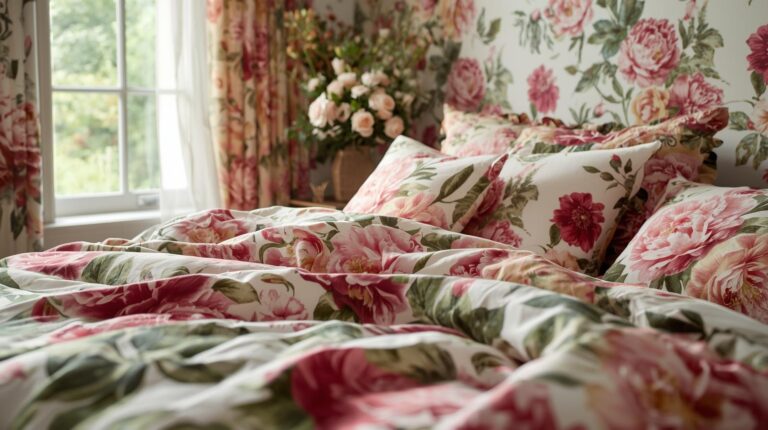
Wallpaper has returned to favor in classic design, and for good reason. Modern wallpapers offer endless patterns and textures that add depth and personality to bedrooms. Classic patterns include damasks, toile, subtle stripes, and small-scale florals. Use wallpaper on all walls for immersive pattern, or on a single accent wall for more restrained effect.
Wainscoting and paneling add architectural interest and traditional character. Board and batten, beadboard, or raised panel wainscoting on lower walls provides texture while protecting walls from wear. Painted white or in soft colors, these treatments add classic elegance to any bedroom.
Crown molding and baseboards, often overlooked, contribute significantly to a room’s finished appearance. Well-proportioned moldings in traditional profiles add architectural integrity. In a classic bedroom, these details matter, framing the space with appropriate formality.
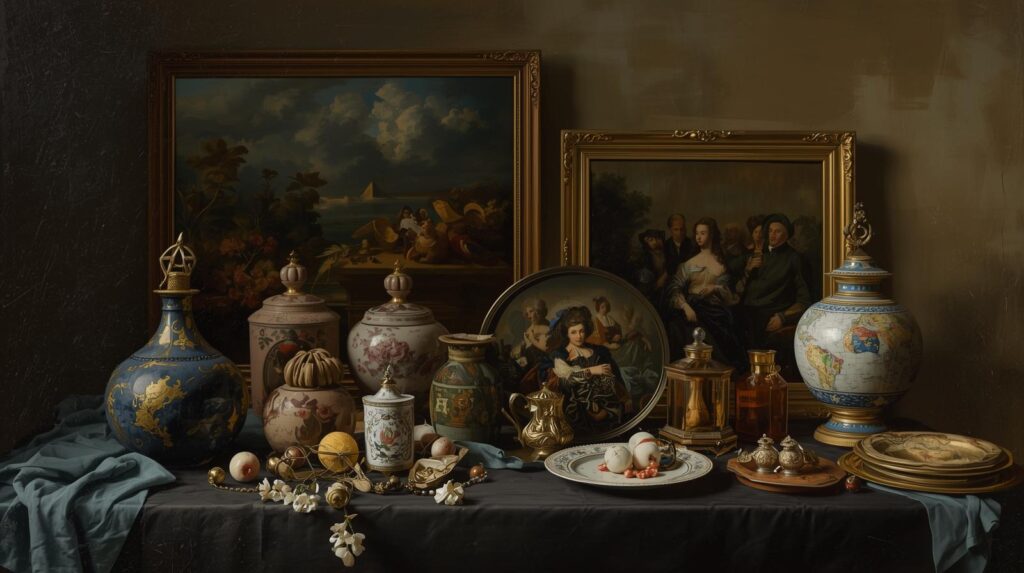
Classic Artwork and Accessories
The finishing touches in a classic bedroom should be personal and meaningful, chosen with care rather than accumulated carelessly.
Artwork adds personality and visual interest. In a classic bedroom, choose pieces that speak to you personally rather than merely matching the decor. Landscapes, botanical prints, portraits, and abstract works all have place in classic design. Frame pieces simply and appropriately, allowing the art itself to shine.
Mirrors serve both decorative and practical functions. A large mirror above the dresser reflects light and provides practical utility. A leaning mirror adds casual elegance. Gilt frames, wood frames, or simple metal frames all suit classic aesthetics depending on the room’s character.
Personal photographs in beautiful frames add warmth and meaning. Choose a few favorite images and display them thoughtfully rather than covering every surface. Silver frames, wood frames, or simple black frames all work beautifully.
Collections displayed with restraint add personality without clutter. A collection of blue and white ceramics on a shelf, a grouping of botanical prints on a wall, or a tray of treasured objects on a dresser all contribute to the collected, personal feel essential to classic style.
Fresh flowers bring life and color to a classic bedroom. A simple arrangement on the dresser or nightstand adds organic beauty that changes with the seasons. Even a single bloom in a bud vase makes a significant impact.
Creating Balance and Harmony
Beyond individual elements, successful classic bedroom design depends on achieving overall balance and harmony. Several principles guide this process.
Scale matters enormously. Furniture should be appropriately sized for the room, neither overwhelming a small space nor appearing lost in a large one. A king bed in a small room leaves insufficient space for other furniture; a double bed in a large room looks dwarfed and inadequate. Measure carefully and choose pieces proportioned to your space.
Symmetry creates formal elegance in classic bedrooms. Matching nightstands with matching lamps flanking the bed, a centered bed with balanced placement of other furniture, and paired artwork all contribute to this formal balance. Symmetry feels orderly and intentional.
Asymmetry, used thoughtfully, adds interest and prevents formality from becoming stiff. A chair in one corner balanced by a plant in another, artwork arranged in an intentionally irregular grouping, or mismatched but compatible nightstands all demonstrate asymmetry that enlivens a room.
Rhythm guides the eye through the space. Repeating colors, shapes, or patterns creates visual flow. The blue in a rug echoed in pillow accents, the curve of a headboard repeated in a chair back, or the wood tone of furniture repeated in picture frames all create rhythm that unifies the space.
Conclusion: The Gift of Timeless Design
A classic bedroom offers far more than a place to sleep. It provides a personal sanctuary, a space where timeless design principles combine with individual expression to create an environment of lasting comfort and beauty. In our rapidly changing world, such a space offers profound psychological benefits, a place of stability and calm where we can rest and renew.
The classic bedroom does not follow trends or chase fashion. It draws on design wisdom that has pleased generations and will continue to please for generations to come. By choosing quality over quantity, craftsmanship over trendiness, and comfort over fashion, you create a bedroom that will feel right for years, even decades.
So take your time creating this special space. Choose furniture with care, layer textiles with intention, and add those personal touches that make the room uniquely yours. The result will be a classic bedroom that welcomes you at the end of every day, a true sanctuary where timeless elegance and personal comfort exist in perfect harmony.