
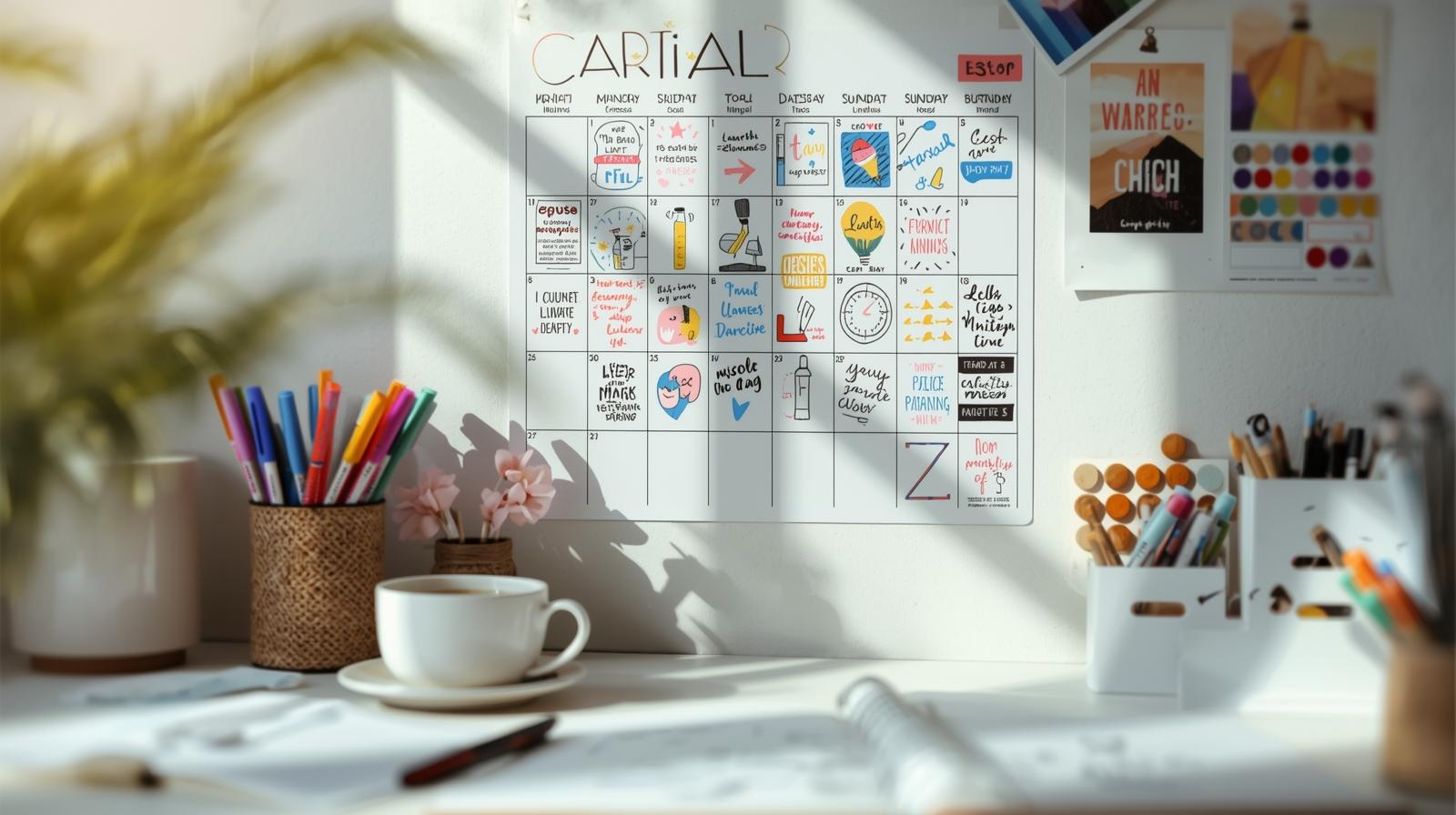
Calendar Ideas: Creative Ways to Plan, Organize, and Decorate
Calendars are among the most ubiquitous objects in our lives, yet they are often treated as purely functional tools, chosen for utility rather than inspiration. The humble calendar, however, holds enormous potential for creativity, personal expression, and even family connection. Beyond simply tracking dates, a calendar can become a canvas for art, a repository for memories, a tool for goal setting, and a central organizing hub for household life. Whether you prefer digital planning or physical calendars, whether you have elaborate artistic skills or can barely draw a straight line, there are calendar ideas to suit every style and need. This comprehensive guide explores creative approaches to calendars that transform them from mere scheduling tools into meaningful parts of daily life.
The Many Faces of Calendars
Before diving into specific ideas, it is worth recognizing the range of calendar formats available. Wall calendars offer visibility and shared access, perfect for family spaces. Desk calendars provide portability and personal space for detailed planning. Planner-style calendars combine scheduling with note-taking, goal tracking, and journaling. Digital calendars offer synchronization and reminders across devices. Each format lends itself to different creative approaches.
The ideas that follow can be adapted to whatever calendar format works for you. The key is finding approaches that make your calendar something you actually want to use, something that brings a moment of pleasure each time you consult it.
Decorative Calendar Ideas
For many, the calendar’s primary role beyond function is decorative. A beautiful calendar enhances your space while organizing your time.
Seasonal Theme Calendars
Design your calendar around the changing seasons, with each month reflecting its unique character. January might feature winter snowscapes, February hearts and romance, March emerging spring flowers, and so through the year. This approach celebrates the passage of time and connects you to natural rhythms.
For those who create their own calendars, seasonal themes can be expressed through color palettes, imagery, or decorative elements added to each month. Even store-bought calendars can be enhanced with seasonal stickers, washi tape borders, or small drawings that reflect the month’s character.
Art Gallery Calendar
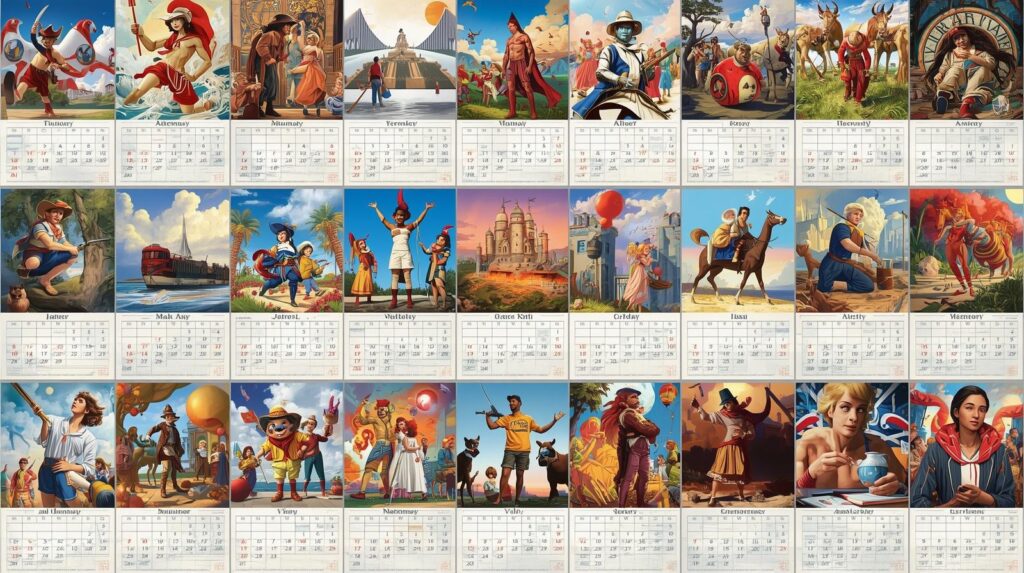
Transform your calendar into a rotating art gallery by featuring different artists or styles each month. This might mean purchasing an art calendar featuring works you love, or creating your own by printing and displaying favorite images. Each month brings new visual pleasure while the calendar serves its practical function.
For families with children, consider featuring the artwork of different family members each month. Grandma’s watercolors in January, a child’s school project in February, a cousin’s photography in March. This personal gallery celebrates family creativity while keeping everyone connected.
Color-Coded Calendar
Use color systematically throughout your calendar to create visual order while adding beauty. Assign each family member a color for their activities, making schedules instantly readable. Use different colors for different types of events, work in blue, social in green, appointments in purple. The resulting rainbow of information is both functional and decorative.
For maximum impact, coordinate your color scheme with your home decor. Soft pastels for a calm, feminine space; bold primaries for energetic, modern rooms; earth tones for natural, grounded aesthetics. Your calendar becomes part of your overall design scheme.
Organizational Calendar Ideas
Beyond decoration, calendars excel at bringing order to chaotic schedules. These ideas enhance that organizing function.
Central Family Command Center
Transform your calendar into a family command center that organizes everyone’s schedules in one place. Use a large wall calendar where each family member has their own column or color. Include not just appointments but also meal plans, chore assignments, and notes about who needs rides where.
Add pockets or envelopes to hold permission slips, invitations, and other paper that might otherwise get lost. A dry-erase board nearby can capture temporary notes and shopping lists. This central hub reduces the chaos of multiple schedules and keeps everyone informed.
Meal Planning Calendar
Dedicate a calendar specifically to meal planning, either as part of your main calendar or as a separate board. Plan meals weekly or monthly, noting what’s for dinner each night. Include space for grocery lists based on the planned meals. This approach reduces the daily “what’s for dinner” stress and makes shopping more efficient.
For extra organization, note which meals are quick, which require advance preparation, and which are good for using leftovers. Over time, you’ll build a repertoire of family favorites that can be rotated regularly.
Content Planning Calendar
For bloggers, social media creators, or small business owners, a content planning calendar organizes posts, articles, and campaigns. Plan topics in advance, note important dates relevant to your niche, and track what’s been published. This forward planning reduces last-minute scrambling and ensures consistent content.
Include space for notes about what performed well, what you’d like to improve, and ideas for future content. This calendar becomes both planning tool and performance record.
Fitness and Wellness Calendar
Track health and wellness goals with a dedicated fitness calendar. Record workouts, note how you felt, and track progress toward goals. Include space for meal planning, water intake tracking, and notes about sleep and energy levels. Seeing your consistency (or noticing patterns in inconsistency) helps maintain motivation.
For extra inspiration, include motivational quotes, photos of fitness role models, or reminders of why your health matters. This calendar supports wellness while keeping you accountable.
Memory-Keeping Calendar Ideas
Calendars naturally document our lives; these ideas enhance that memory-keeping function.
Journal Calendar
Use your calendar as a daily journal, recording not just appointments but also moments worth remembering. A word or two each day, “saw a rainbow,” “first garden tomato,” “child’s lost tooth,” creates a record of your year that appointments alone cannot capture. At year’s end, you have a unique diary of your family’s life.
For those who prefer more space, combine a calendar with adjacent blank pages for longer entries. Many planner-style calendars offer this format, or you can add your own pages to a standard calendar.
Photo Calendar
Create a custom calendar featuring family photos from years past. Each month might highlight a different person, a different season, or a different type of memory. January could feature last year’s winter fun, July last summer’s vacation, December previous holiday celebrations. This approach surrounds you with happy memories while you plan future ones.
For a variation, include photos of goals or dreams. A picture of a place you want to visit, a house you hope to own, a fitness goal you’re working toward. These images keep your aspirations visible and motivating.
Milestone Calendar
Dedicate space in your calendar to recording milestones, both family and personal. First words, lost teeth, completed projects, professional achievements, all deserve recognition. Over years of calendars, you’ll create a detailed record of your family’s growth and accomplishments.
For children, this becomes particularly precious. A calendar noting their first day of school, their first soccer goal, their first overnight camp, documents childhood in ways that photos alone cannot.
Gratitude Calendar
Use your calendar to practice daily gratitude. Each day, note one thing you’re thankful for. The practice of finding something positive each day, even on difficult days, shifts perspective and builds resilience. At month’s end, reviewing accumulated gratitude provides perspective and lifts spirits.
For families, make gratitude a shared practice. Each evening, someone adds that day’s gratitude to the calendar. Children learn to look for positives, and the family builds a shared record of blessing.
Interactive Calendar Ideas
These ideas make your calendar a participatory tool that engages everyone.
Family Contribution Calendar
Encourage every family member to add their own events and notes to the calendar. Even young children can add stickers or simple drawings to mark their activities. This shared ownership teaches responsibility and ensures everyone’s schedule is represented.
For extra engagement, rotate responsibility for maintaining the calendar. One week a child updates events, another week a parent adds notes. Everyone learns calendar skills and appreciates the work involved in keeping family life organized.
Countdown Calendar
Use your calendar to build anticipation for special events. Add countdown stickers or drawings for upcoming birthdays, vacations, or holidays. Children particularly love seeing how many days remain until exciting events. The visual countdown makes time tangible and builds excitement.
For extended events like a month-long holiday season, consider a chain or progressive countdown that changes as the date approaches. This interactive element engages children with the calendar daily.
Weather Tracking Calendar
Dedicate space on your calendar to tracking daily weather. A simple symbol each day, sun, cloud, rain, snow, creates a visual record of the year’s weather patterns. For families with children, this becomes an engaging daily ritual that builds observation skills.
At year’s end, you can look back at weather patterns, noting when spring truly arrived, how many rainy days summer had, when first snow fell. This record connects you to natural cycles that schedules alone cannot capture.
Challenge Calendar
Create a calendar of daily or weekly challenges for yourself or your family. January might be a “try a new recipe each week” challenge, February a random acts of kindness calendar, March a daily gratitude practice. Each month brings a new focus, keeping life interesting and encouraging growth.
For families, involve everyone in choosing challenges. Children will be more engaged with challenges they helped select, and the variety keeps things fresh throughout the year.
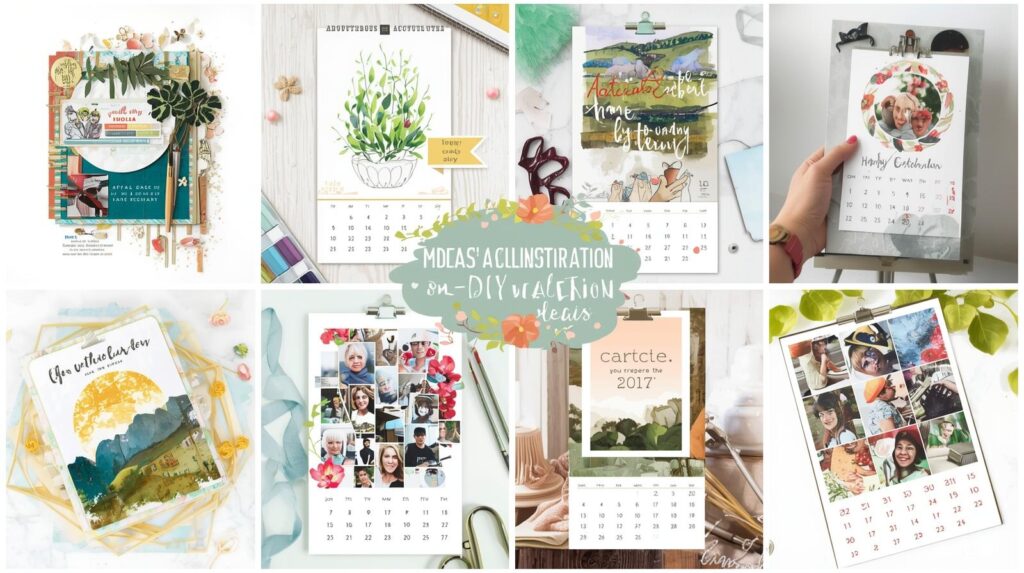
DIY Calendar Creation Ideas
For those who want complete control over their calendar, creating your own opens unlimited possibilities.
Hand-Lettered Calendar
For those with calligraphy or hand-lettering skills, creating a completely hand-drawn calendar is deeply satisfying. Each month’s header receives unique treatment, numbers are carefully rendered, and decorative elements flow from your pen. The result is one-of-a-kind, imbued with your personality and effort.
Even without formal skills, simple hand-lettering with consistent style creates charming results. Imperfection adds character; your calendar will be unlike anyone else’s.
Collage Calendar
Create calendar pages through collage, combining images from magazines, patterned papers, and personal photos. Each month’s collage can reflect that month’s character, with colors and images chosen to evoke the season. This approach yields rich, textured pages that reward close looking.
For a variation, create a year-long collage that builds throughout the months. January adds winter images, February adds hearts, March adds spring flowers, and so on. By December, you have a layered record of the entire year.
Printable Calendar Templates
For those who want customization without starting from scratch, printable calendar templates offer a middle path. Countless free and paid templates exist online, ready to download and print. Choose the format, size, and style that suits you, then add your own touches before printing.
Print on quality paper for best results, and consider having finished calendars professionally bound or simply displayed in attractive frames that allow monthly changing.
Digital Calendar Customization
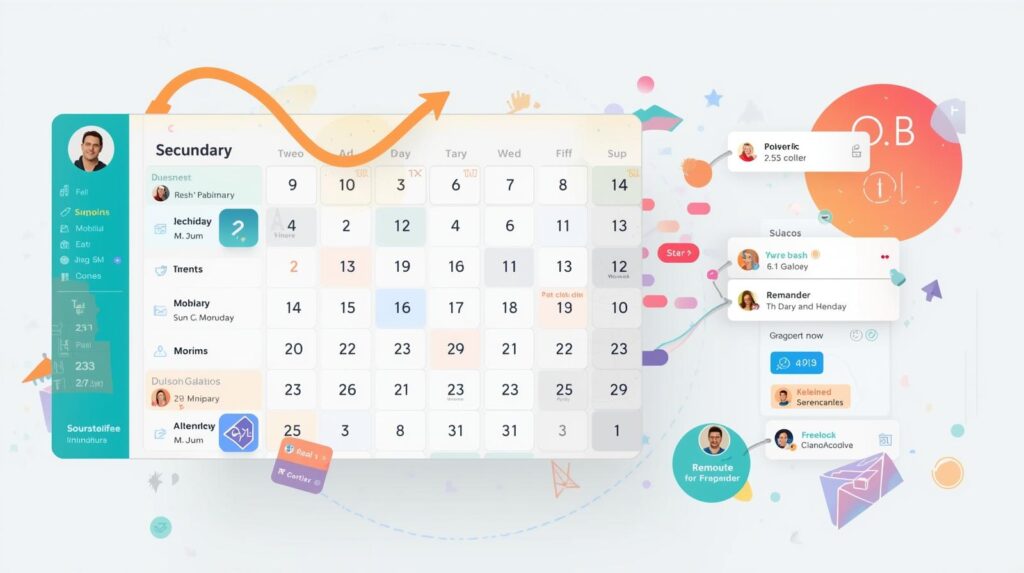
Even digital calendars offer customization opportunities. Choose background images that inspire you, color-code events meaningfully, and add notes and attachments that enrich the basic scheduling function. Many digital calendars allow multiple views, monthly, weekly, daily, so you can see your time the way that works best.
For families, shared digital calendars keep everyone synchronized while allowing individual customization. Partners can see each other’s schedules, children can have their own color-coded events, and everyone stays informed.
Conclusion: The Calendar as Creative Canvas
The humble calendar, often taken for granted, holds remarkable potential for creativity, organization, and connection. Whether you prefer the simplicity of a printed wall calendar, the portability of a planner, or the convenience of digital tools, there are ways to make your calendar truly yours, a tool that not only organizes your time but also delights your eye, engages your family, and records your life.
The ideas in this guide represent starting points rather than prescriptions. Mix and match approaches that appeal to you, adapt them to your circumstances, and develop your own traditions around calendar use. The best calendar ideas are those that actually work for your life, that you actually use, that bring a moment of pleasure each time you consult them.
As you plan your next calendar, whether for a new year or a new month, consider what you want it to do beyond simply tracking dates. Do you want it to beautify your space? Organize your family? Record your memories? Motivate your goals? Whatever your needs, there is a calendar idea that can meet them.
So take time with your calendar. Choose it with care, or create it with intention. Use it thoughtfully, not just as a tool but as a companion through your days. And at year’s end, when you look back at the pages filled with appointments, memories, and dreams, appreciate the life they represent, organized, remembered, and celebrated through the simple, wonderful calendar.