Bedroom Ideas: Transforming Your Space into a Personal Sanctuary
The bedroom is perhaps the most important room in any home. It is where we begin and end each day, where we retreat for rest and restoration, where we find solitude and comfort. Yet it is often the most neglected space when it comes to thoughtful design, receiving hand-me-down furniture and leftover attention after public rooms are perfected. Investing time and creativity in your bedroom pays dividends in daily well-being, affecting how well you sleep, how peacefully you wake, and how you feel about yourself when no one else is watching. Whether you are starting from scratch or refreshing an existing space, this comprehensive guide explores bedroom ideas across every style and budget to help you create a room that truly supports your life.
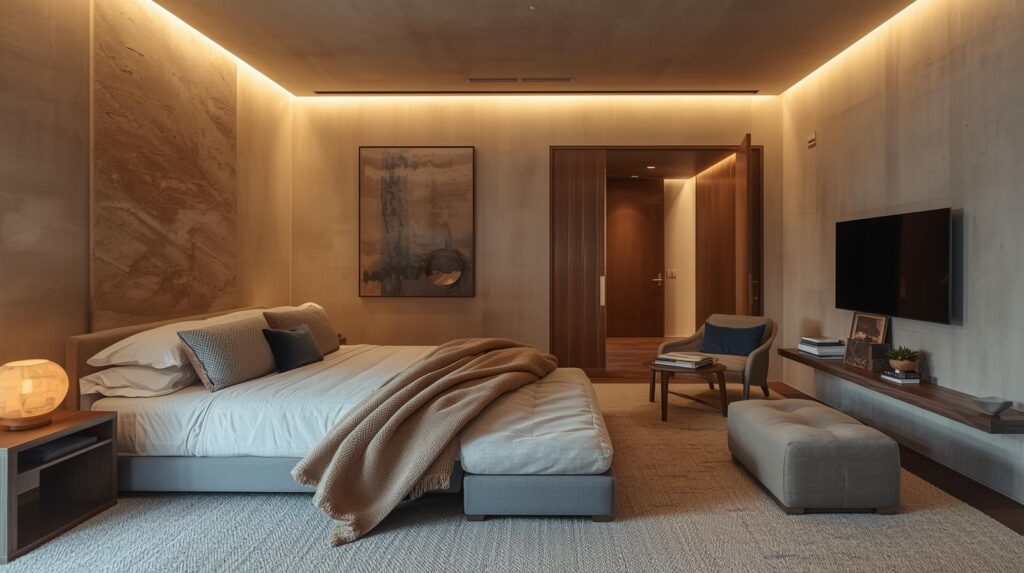
The Foundation of Great Bedroom Design
Before exploring specific ideas, it is helpful to understand what makes a bedroom truly successful. Great bedroom design balances several priorities that work together to create a space that serves you well.
Prioritize Sleep
The bedroom’s primary function is supporting healthy sleep. This means considering factors that affect rest: light control, sound absorption, temperature regulation, and the psychological comfort of your surroundings. Blackout curtains, comfortable bedding at appropriate weights, and colors that promote calm all contribute to better sleep. A room that looks beautiful but disrupts sleep has failed its primary purpose.
Create Personal Sanctuary
Beyond sleep, your bedroom should feel like yours alone. It should reflect your personality in ways that public spaces cannot. Favorite colors, meaningful artwork, treasured objects, and personal touches make the space feel authentic and comforting. This is not a room for impressing others but for nourishing yourself.
Maintain Simplicity
Visual clutter creates mental clutter, and mental clutter interferes with rest. Successful bedrooms tend toward simplicity, with surfaces kept clear and storage ample enough to conceal daily life. This doesn’t mean stark minimalism but rather intentional editing that allows the eye to rest. A peaceful bedroom requires less stuff, not necessarily no stuff.
Bedroom Layout Ideas
How you arrange furniture significantly affects how your bedroom functions and feels.
Bed Placement
The bed is the room’s largest and most important piece. Position it to be the first thing you see when entering, creating a focal point. Place it against the longest wall for stability and to maximize floor space. Ensure there is adequate circulation space around it, at least two feet on sides and three feet at the foot.
If possible, position the bed so you can see the door from bed without being directly in line with it. This creates a sense of security without feeling exposed. Avoid placing the bed under a window if possible, as this can feel less secure and may create drafts.
Nightstand Placement
Nightstands should be within easy reach of the bed, typically 2-4 inches above mattress height for easy access. They need not match perfectly; different but complementary nightstands can add character. Ensure each side of the bed has a surface for a lamp, book, and water glass.
Dresser and Storage Placement
Place dressers where they are accessible but not in the way. A dresser opposite the bed provides balance and creates a focal point for art or a mirror. If space is tight, consider a tall, narrow dresser that takes up less floor space. Built-in closets with organized systems maximize storage efficiency.
Seating Areas
If space allows, a seating area adds luxury and function. A small chair in a corner creates a spot for reading or putting on shoes. A bench at the foot of the bed provides seating and visual weight. A window seat, if you have a suitable window, becomes a cherished spot for quiet moments.
Bedroom Color Ideas
Color profoundly affects how a bedroom feels. Choose hues that support rest and reflect your personality.
Calming Neutrals
Neutrals provide the ultimate calm backdrop for bedrooms. Warm whites, soft grays, and creamy ivories create serene spaces that promote rest. These colors recede, allowing the eye to rest and the mind to quiet. They also provide flexibility, allowing you to change accent colors without repainting.
Soothing Blues
Blue consistently ranks as the most popular bedroom color for good reason. Its calming properties lower heart rate and promote relaxation, making it ideal for sleep spaces. Pale sky blues feel airy and fresh; dusty blues add sophistication; deep navies create cozy, enveloping spaces.
Gentle Greens
Green connects us to nature, creating feelings of renewal and balance. Soft sage, pale celadon, and gentle moss all work beautifully in bedrooms. These colors promote calm while adding subtle color that feels fresh and natural.
Warm Neutrals
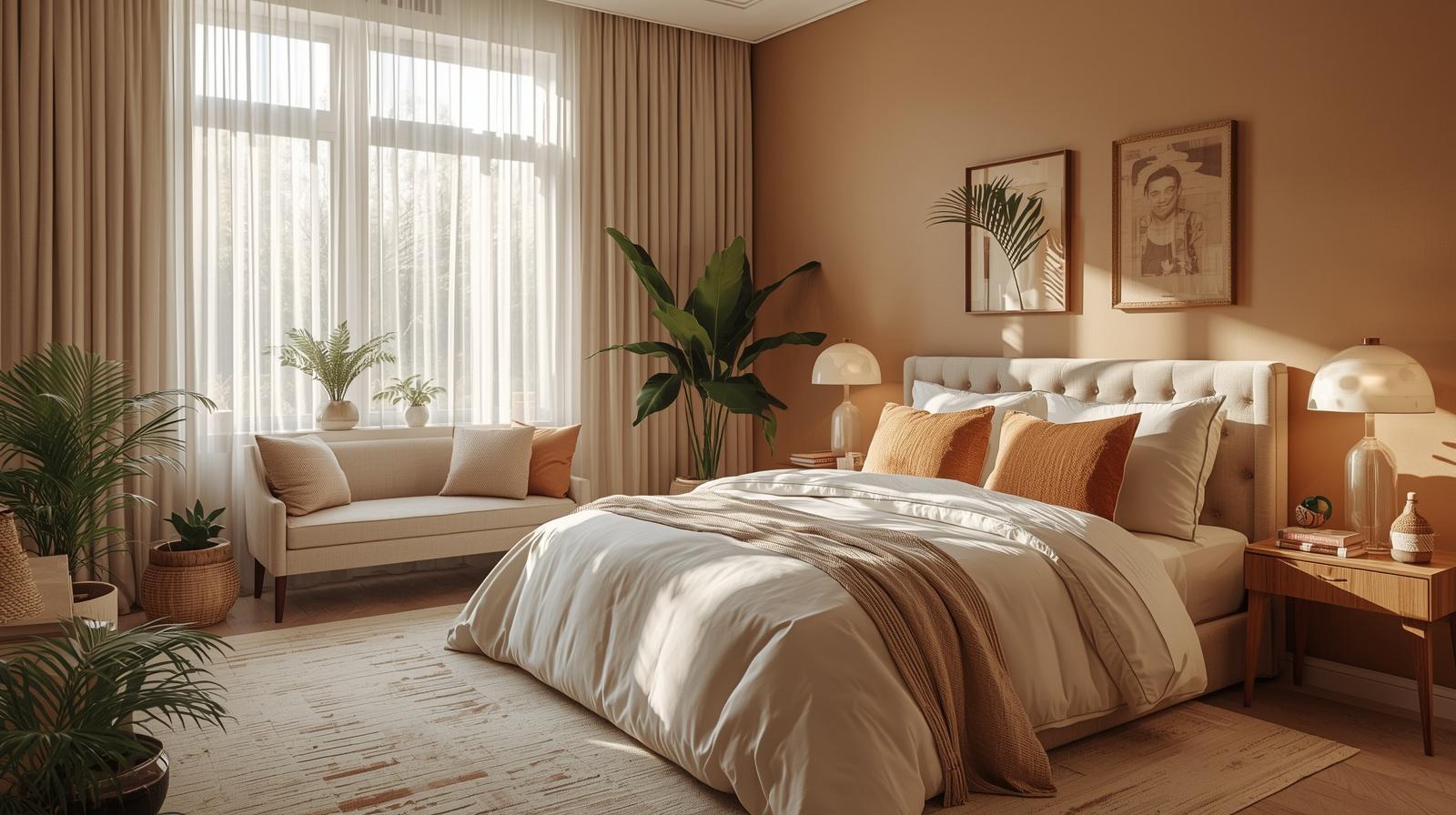
For cozy bedrooms, warm neutrals like taupe, beige, and warm gray create enveloping spaces. These colors feel grounded and comforting, perfect for bedrooms where you want to feel wrapped in warmth. Layer with soft textures for maximum coziness.
Accent Walls
A single wall in a deeper or contrasting color adds drama without overwhelming. The wall behind the bed is the natural choice for an accent, creating focal point that anchors the room. Choose colors that relate to your overall palette for cohesion.
Bedding Ideas
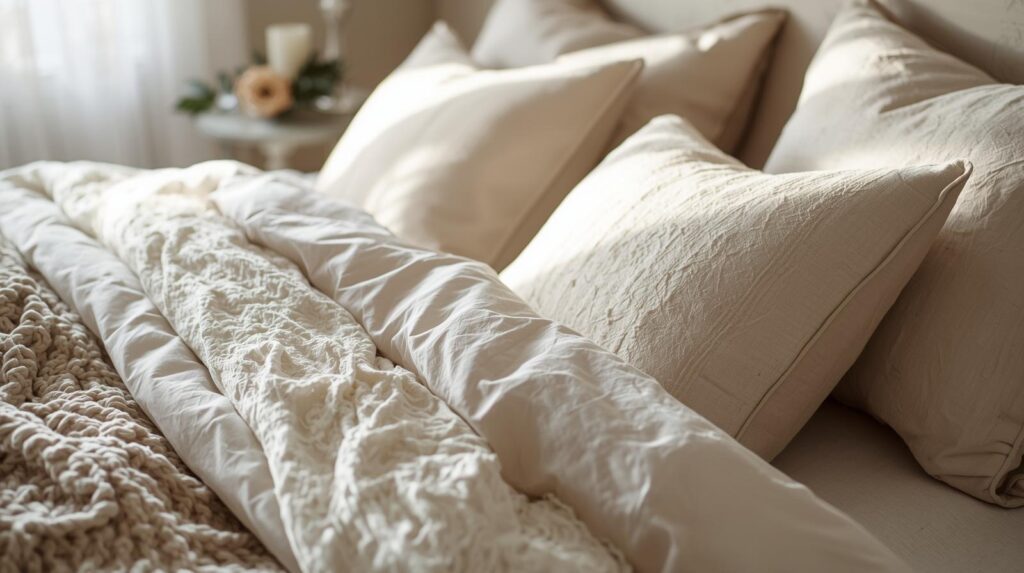
Bedding significantly affects both the look and feel of your bedroom. Quality materials and thoughtful layering create a bed that invites rest.
Sheet Quality
Invest in the best sheets you can afford. High-quality natural fibers, cotton, linen, bamboo, feel better against skin and sleep cooler than synthetics. Thread count matters less than fiber quality; 300-500 thread count in long-staple cotton provides excellent comfort and durability.
Layering for Luxury
Layer your bed for both function and beauty. Start with a quality mattress protector, then fitted sheet, then flat sheet. Add a lightweight blanket for warmth, then a quilt or coverlet, then a duvet or comforter. This layered approach allows adjustment for temperature and creates the luxurious, inviting look of a well-made bed.
Pillow Variety
Provide pillows in various sizes and firmnesses. Standard sleeping pillows should suit your sleep position. Add euro shams against the headboard for visual depth. Standard shams in front coordinate with your bedding. Decorative accent pillows add color and personality but should be easily removed for sleep.
Duvets and Comforters
Choose duvets and comforters appropriate for your climate and personal warmth preferences. All-season weights work for most; additional layers can be added in winter. Natural fills like down or wool breathe better than synthetics but cost more. Hypoallergenic alternatives work well for those with allergies.
Throws and Blankets
A throw blanket at the foot of the bed adds warmth and visual interest. Choose textures that contrast with your bedding, a chunky knit on smooth cotton, a velvet throw on linen, for added depth. Change throws seasonally for fresh looks.
Bedroom Furniture Ideas
Beyond the bed, thoughtful furniture choices complete your bedroom.
Nightstands
Nightstands provide essential surface space and storage. Choose heights that work with your bed, typically within 2-4 inches of mattress top. Storage options include drawers for concealing items, open shelves for display, or simple surfaces for minimalists. Matching nightstands create formal symmetry; complementary mismatched pieces add character.
Dressers and Chests
Storage is essential in bedrooms. Choose pieces that provide adequate space for your clothing while fitting the room. A long, low dresser works well opposite the bed. A tall chest fits tight spaces. Built-in closet systems maximize storage efficiency.
Armoires and Wardrobes
For rooms without closets, armoires provide essential storage. Choose pieces with both hanging space and drawers for versatility. An antique armoire adds character while serving practical function. Modern wardrobes offer sleek, integrated storage solutions.
Benches and Seating
A bench at the foot of the bed provides seating, visual weight, and often storage. Upholstered benches add softness; wooden benches contribute traditional character. A small chair in a corner creates a reading nook. A window seat, if space allows, becomes a cherished spot.
Vanities and Desks
For those who appreciate a dedicated dressing or workspace, vanities and desks add function. A vanity with mirror and stool creates a spot for grooming. A small desk provides space for journaling or laptop work. Choose pieces that don’t overwhelm the room’s primary purpose of rest.

Bedroom Lighting Ideas
Proper lighting transforms bedrooms from merely functional to truly restful.
Ambient Lighting
Overall illumination comes from ambient sources. Ceiling fixtures with dimmers allow adjustment from bright to soft. Chandeliers add elegance; flush mounts work in lower ceilings. Recessed lighting provides even illumination without visible fixtures.
Task Lighting
Focused light for reading and other activities comes from task sources. Bedside lamps, either table lamps or wall-mounted swing arms, provide reading light. Adjustable arms allow direction where needed. Ensure bulbs are warm and dimmable for comfortable evening use.
Accent Lighting
Highlight artwork, architectural features, or special objects with accent lighting. Picture lights over art, small spots directed at collections, or uplighting in corners add depth and drama. These lights create layers that make rooms feel rich and intentional.
Natural Light
Maximize natural light during daytime hours. Sheer curtains filter light while providing privacy. Position mirrors to reflect light deeper into the room. Keep windows clean and unobstructed. The connection to natural rhythms supports healthy sleep-wake cycles.
Dimmers
Install dimmers on all bedroom light sources. The ability to adjust from bright for cleaning to soft for relaxation to dark for sleep gives you control over your environment. Dimmers also extend bulb life and save energy.
Bedroom Storage Ideas
Adequate storage keeps bedrooms peaceful by concealing daily life.
Closet Organization
Maximize closet space with thoughtful organization. Double hanging rods double capacity for shorter items. Shelving for folded items uses vertical space. Drawers for small items keep them accessible. Shoe racks or hanging organizers corral footwear. Regular editing keeps closets from overflowing.
Under-Bed Storage
The space under your bed is prime real estate. Bed risers create more clearance for storage bins. Drawers built into the bed frame provide organized access. Vacuum-sealed bags store off-season clothing and bedding compactly. Choose a bed skirt that conceals storage while maintaining polished look.
Dresser Organization
Keep dressers organized with dividers and organizers. Separate socks from underwear, fold items consistently, and designate spaces for different categories. A well-organized dresser makes dressing easier and keeps the room tidy.
Shelving and Display
Open shelving provides display space for treasured objects. Keep displays edited and intentional, rotating items seasonally. Floating shelves take no floor space and can be arranged artfully. Bookcases provide storage for reading material and display.
Baskets and Bins
Decorative baskets and bins conceal clutter while adding texture. Use them on open shelves, under nightstands, and in corners for items that need homes but don’t deserve display. Choose materials that complement your room’s aesthetic.
Bedroom Wall Decor Ideas
Walls provide opportunity for personal expression and visual interest.
Artwork
Choose artwork that speaks to you personally. Landscapes promote calm, abstracts add interest, personal photographs warm the space. Scale matters; one large piece often works better than many small ones. Hang at eye level for comfortable viewing from bed.
Mirrors
Mirrors serve both decorative and practical functions. A large mirror makes small bedrooms feel larger by reflecting light and views. A full-length mirror aids dressing. Decorative mirrors add interest without color. Position to reflect something beautiful.
Gallery Walls
Collections of smaller pieces create gallery walls full of interest. Mix art, photographs, and objects for collected, personal displays. Keep frames cohesive for unity, or mix intentionally for eclectic character. Plan layout on floor before hanging.
Headboard Alternatives
If you don’t have a headboard, create one. A large piece of art above the bed serves the same visual function. A tapestry or textile hung behind the bed adds softness. Paint or wallpaper on the bed wall creates accent without furniture.
Wall Treatments
Beyond paint, wall treatments add texture and interest. Shiplap adds farmhouse character. Board and batten creates traditional charm. Wallpaper in subtle patterns adds depth. Accent walls in contrasting color or material create focal points.
Bedroom Flooring Ideas
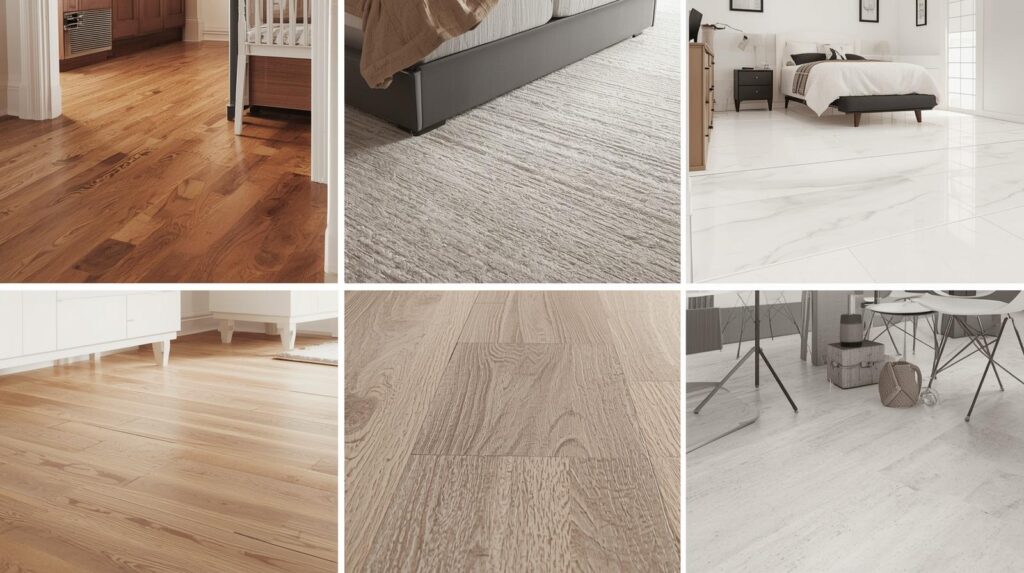
Flooring affects both appearance and comfort underfoot.
Hardwood
Hardwood floors add warmth and natural beauty. Area rugs add softness and define spaces. Light woods keep rooms bright; dark woods add drama. Proper sealing protects against moisture and wear.
Carpet
Wall-to-wall carpet provides softness and warmth underfoot. Choose quality carpet with appropriate padding for comfort and durability. Neutral colors provide flexibility; patterns add interest. Regular cleaning maintains appearance and hygiene.
Area Rugs
Area rugs over hard floors add softness and define spaces. Choose a rug large enough that extends beyond the bed’s sides and foot. Natural fibers like wool provide durability and comfort. Patterns add interest; solids recede.
Layered Rugs
For added texture, layer rugs. A large natural fiber rug with a smaller patterned rug on top creates depth and interest. This approach also allows seasonal changes, swapping top rugs for fresh looks.
Seasonal Bedroom Updates
Refreshing your bedroom with seasons keeps it feeling current and engaging.
Spring and Summer
Lighten up for warmer months. Swap heavy bedding for lighter weights. Introduce fresh flowers and brighter accents. Let more light in with sheer curtains. Store heavy throws and blankets.
Fall and Winter
Cozy up for cold months. Add layers of warm bedding. Introduce deeper, richer colors. Use warm lighting and candles. Keep throws accessible for extra warmth. Embrace the cozy season.
Conclusion: Your Perfect Bedroom
Bedroom ideas are ultimately about creating a space that supports your most essential needs: rest, restoration, and personal expression. Whether you prefer serene minimalism, cozy layers, romantic softness, bold drama, or eclectic abundance, your bedroom should feel like you.
The most successful bedrooms work for how you actually live. They provide comfortable sleep, ample storage, and personal touches that make you happy every time you enter. They adapt as your needs change and grow with you over time.
As you gather ideas and plan your bedroom, remember that this is your space. Trends and others’ opinions matter less than how the room makes you feel. Choose colors that comfort you, textures that invite you, and objects that delight you. Create a room that welcomes you at the end of every day and sends you off each morning feeling rested and ready.
Your bedroom is your sanctuary. Make it worthy of that role.