The Art of Quiet Luxury: A Comprehensive Guide to Japandi Dining Room Ideas
In the ever-evolving world of interior design, few styles have captured the collective imagination quite like Japandi. This harmonious fusion of Japanese minimalism and Scandinavian functionality has become the defining aesthetic of our time—a response to the chaos of modern life and a yearning for spaces that feel calm, intentional, and deeply nurturing. As we navigate through 2026, the Japandi aesthetic continues to evolve, proving that its appeal is far from a passing trend but rather a fundamental shift in how we want to live.
The dining room, perhaps more than any other space in the home, is where this philosophy truly shines. It is a place of gathering, of nourishment, of connection—both with others and with ourselves. A Japandi dining room is not merely a place to eat; it is a sanctuary for the soul, a testament to the beauty of simplicity, and an invitation to slow down and savor life’s quiet moments. This guide will walk you through the essential elements, design principles, and inspiring ideas to create a Japandi dining room that embodies the perfect balance of form and function.
Understanding the Japandi Philosophy: Where Wabi-Sabi Meets Hygge
Before diving into specific design ideas, it’s crucial to understand the philosophical underpinnings that make Japandi so distinctive and beloved. This is not a style that can be achieved simply by purchasing the right furniture—it requires a shift in mindset, an appreciation for the intangible qualities that transform a house into a home.
The Marriage of Two Cultures
Japandi represents the beautiful intersection of Japanese and Scandinavian design sensibilities. From Japan comes the concept of wabi-sabi—the appreciation of imperfection, impermanence, and the beauty found in natural wear and aging. From Scandinavia comes hygge—the feeling of cozy contentment and well-being through creating warm, inviting atmospheres. Together, they create spaces that are simultaneously serene and welcoming, spare yet soulful.
The Core Principles
At its heart, Japandi design is guided by several key principles that should inform every decision you make in your dining room. Minimalism is paramount, but not the cold, sterile minimalism of stark white rooms with nothing in them. Rather, it is a warm minimalism that values quality over quantity, where every object earns its place and serves a purpose. Functionality is equally important—beauty without utility has no place in Japandi. Natural materials form the foundation, connecting us to the earth and bringing organic warmth into our homes. And finally, there is a deep respect for craftsmanship, for the hands that shaped the objects we live with, and for the stories they carry.
The Foundation: Choosing the Perfect Dining Table
The dining table is the heart of the room, the anchor around which everything else revolves. In a Japandi dining room, this piece deserves careful consideration, for it sets the tone for the entire space.
Embracing Organic Forms
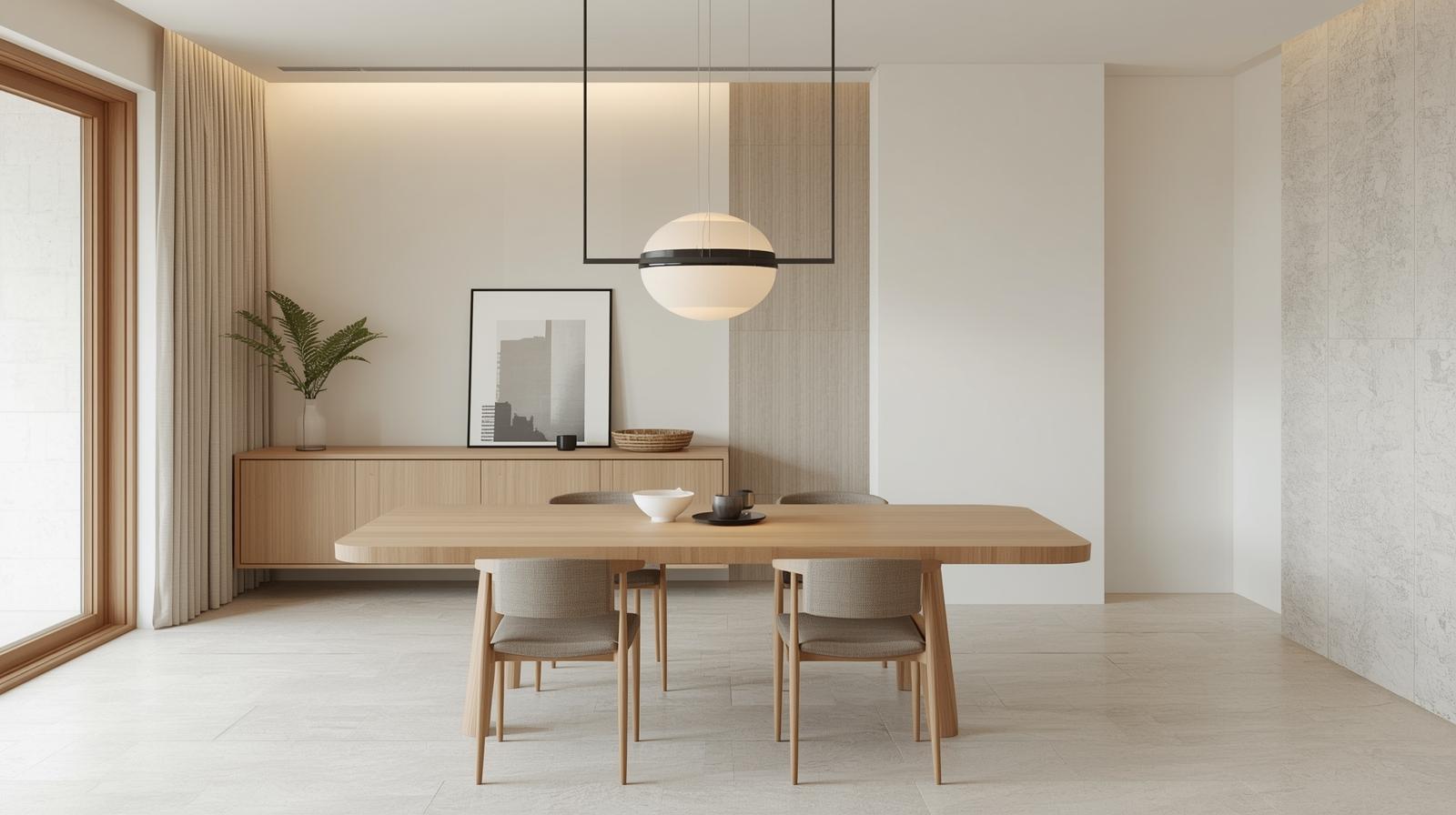
While Scandinavian design has traditionally favored clean lines and geometric precision, the Japandi aesthetic softens these edges with organic, fluid forms. Look for tables with gentle curves, irregular shapes, or live edges that celebrate the natural contours of the wood. An oval or round table can soften the energy of a room, promoting conversation and connection in a way that sharp angles cannot. The imperfections in the wood grain, the knots, the subtle variations in color—these are not flaws to be hidden but features to be celebrated.
The Beauty of Natural Wood
Wood is the soul of Japandi design. Oak, ash, walnut, and teak are popular choices, each bringing its own personality to the space. Light woods like oak and ash keep the room airy and bright, reflecting the Scandinavian love of luminosity. Darker woods like walnut add depth and richness, grounding the space with their沉稳 presence. The finish should be natural, allowing the wood to breathe and age gracefully over time. Avoid high-gloss finishes that scream for attention; instead, opt for matte or oiled surfaces that invite touch and develop a beautiful patina with use.
Extending the Concept
For those who love to entertain, consider a table with extension leaves that can grow to accommodate gatherings. The beauty of Japandi lies in its adaptability—the table that serves a quiet family dinner on a Tuesday night can transform to host a festive celebration on the weekend, all while maintaining its essential character and grace.
Seating with Soul: Chairs and Benches That Embrace You
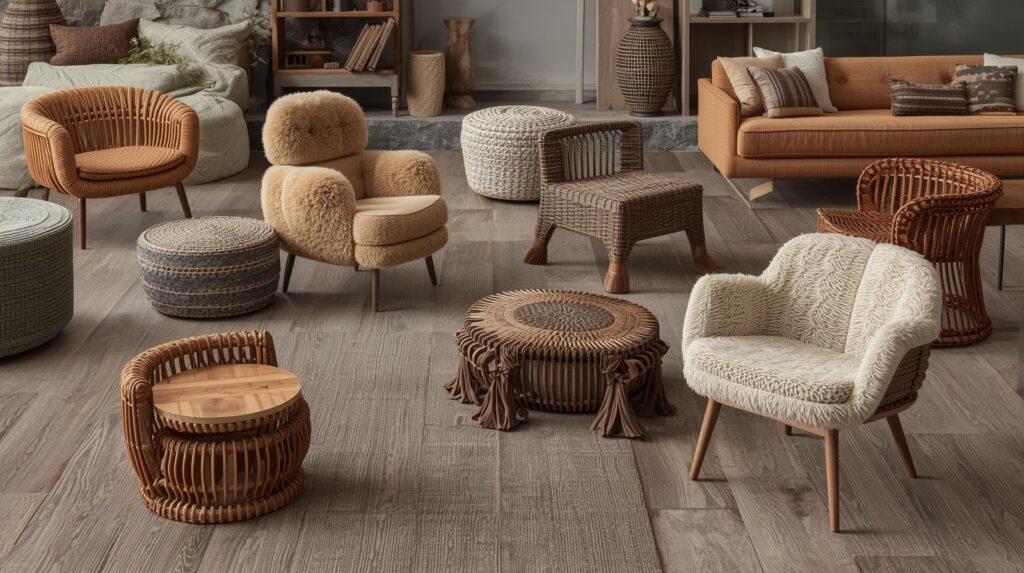
The chairs surrounding your table are not merely functional objects; they are an opportunity to introduce texture, comfort, and visual interest to the room.
The Sculptural Quality of Japandi Seating
Japandi chairs often possess a sculptural quality that elevates them beyond mere utility. Look for designs that celebrate the beauty of wood joinery, where the connections between legs and seat are visible and celebrated rather than hidden. The curves of a well-designed chair back should cradle the sitter comfortably while also pleasing the eye from across the room. The Danish concept of formskøn—the idea that beauty and function are inseparable—is perfectly embodied in a thoughtfully chosen dining chair.
Mixing and Matching with Intention
While matching dining sets have their place, Japandi design encourages a more curated approach. Consider pairing a wooden bench on one side of the table with individual chairs on the others. This creates visual variety while maintaining harmony through shared materials or design language. The bench invites a more casual, relaxed way of dining—children can slide on and off easily, and guests can squeeze in close together, fostering intimacy.
The Role of Upholstery
When upholstery is called for, choose natural fabrics that feel good against the skin and age beautifully. Linen, cotton, wool, and even paper cord are excellent choices that align with the Japandi ethos. Neutral tones dominate—oatmeal, charcoal, soft greige, warm cream—but don’t be afraid of subtle texture. A nubby linen or a softly woven wool adds depth without disrupting the serene palette.
Lighting: Setting the Mood for Connection
Lighting in a Japandi dining room is about more than illumination; it is about creating atmosphere, defining space, and evoking emotion.
The Statement Pendant
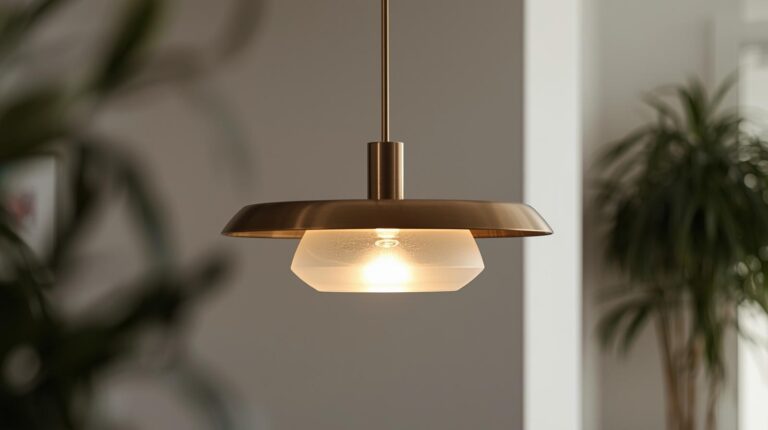
A single, sculptural pendant light hung above the dining table serves as both functional lighting and artistic focal point. Paper lanterns, inspired by Japanese tradition, cast a soft, diffused glow that flatters faces and creates an intimate ambiance. Bamboo and rattan pendings bring organic texture and warmth, their woven surfaces creating beautiful patterns of light and shadow on the surrounding walls. For a more minimalist approach, consider a simple spherical globe in opal glass or a geometric metal frame that plays with negative space.
Layered Lighting for Versatility
A truly successful dining room incorporates multiple layers of light. Beyond the central pendant, consider adding a dimmer switch to control the intensity of the overhead light, allowing you to transition from bright family meals to candlelit dinner parties. Wall sconces placed at eye level add warmth and depth, while a carefully positioned floor lamp can illuminate a corner sideboard or display cabinet. Candles, in simple ceramic holders or clustered on a tray, bring the flickering, living light that no electric source can replicate.
Embracing Natural Light
In a Japandi dining room, natural light is treasured and maximized. Windows are dressed minimally, if at all. Sheer linen curtains that filter light while providing privacy are a perfect choice, their gentle movement in the breeze adding life to the room. If privacy allows, leave windows uncovered entirely, allowing the changing quality of daylight to animate the space throughout the day.
The Color Palette: A Study in Serene Neutrals
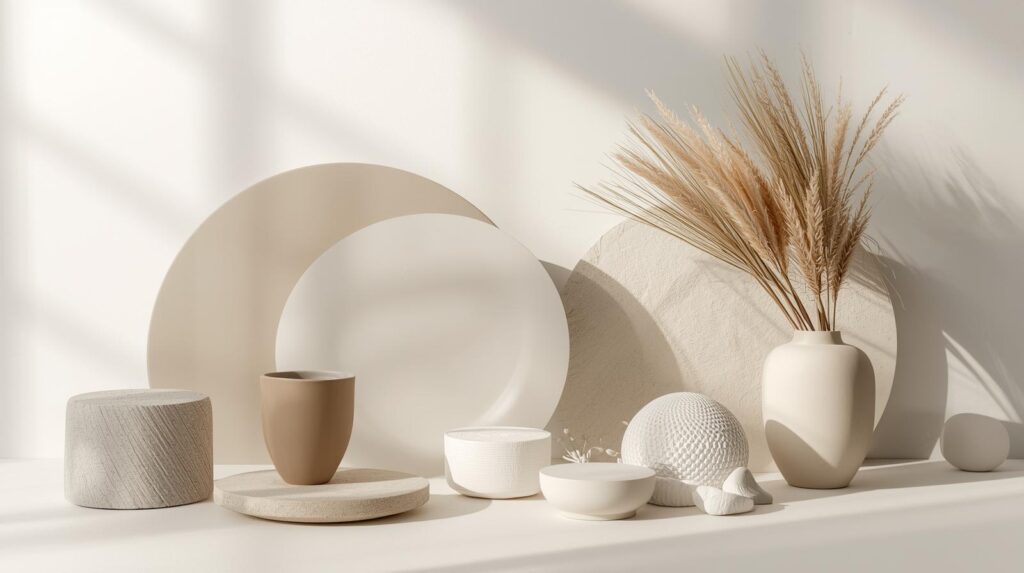
The Japandi color palette is restrained but far from boring. It is a study in subtlety, where the interplay of soft neutrals creates a backdrop of profound tranquility.
The Foundation of Warm Neutrals
Unlike the stark white of minimalist interiors past, Japandi embraces warmer neutrals that feel welcoming rather than clinical. Cream, ivory, oatmeal, mushroom, greige, and soft taupe form the foundation, their warmth wrapping the room in a gentle embrace. These colors reflect light beautifully while maintaining a cozy, grounded quality that white alone cannot achieve.
The Drama of Dark Accents
To add depth and contrast, incorporate darker elements into the palette. Charcoal gray, deep chocolate brown, or even black appear in smaller doses—the frame of a chair, the base of a table, a piece of ceramic art. These darker notes anchor the space, preventing the lightness from feeling insipid or washed out. They provide visual punctuation, giving the eye places to rest and the room a sense of structure.
Earthy Accents from Nature
When accent colors are desired, look to the natural world for inspiration. The soft green of sage, the dusty blue of a distant mountain, the warm terracotta of sun-baked clay—these colors appear sparingly, perhaps in a textile, a piece of art, or a ceramic vessel. They connect the interior to the exterior, grounding the room in the larger landscape and bringing the calming influence of nature indoors.
Texture: The Soul of Japandi Design
If color provides the visual harmony, texture provides the sensory richness that makes a Japandi dining room feel truly alive.
Layering Natural Materials
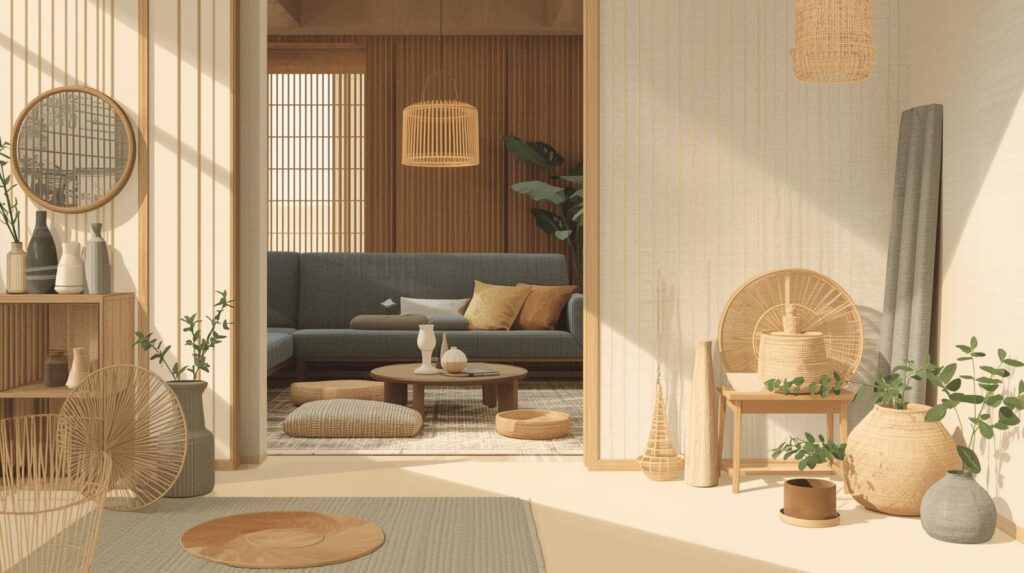
The Japandi dining room is a celebration of texture in all its forms. The smooth, cool surface of a ceramic plate contrasts with the nubby weave of a linen placemat. The rough, organic quality of a rattan pendant plays against the sleek grain of a wooden table. A wool throw draped over a chair invites touch, while the subtle pattern of a sisal rug underfoot adds warmth and definition to the space. These layers of texture create a room that engages all the senses, inviting you not just to look but to feel.
The Beauty of Imperfect Surfaces
Handmade ceramics, with their irregular glazes and subtle variations, are essential to the Japandi aesthetic. A simple, rustic bowl for serving bread, a set of mis-matched but harmonious plates, a hand-thrown vase holding a single branch—these objects bring the human touch into the room. Their imperfections are not flaws but evidence of the hands that made them, connecting us to the artisan and to the centuries-old traditions of craftsmanship.
Textiles That Warm the Soul
Textiles soften the hard surfaces of wood and ceramic, adding warmth and comfort to the dining experience. A long, narrow runner in a natural fiber can define the table’s center while protecting its surface. Simple linen napkins, in neutral tones or subtle stripes, add elegance without formality. Seat cushions in wool or cotton make long dinners more comfortable while introducing another layer of texture and color.
Storage and Display: The Art of Curated Simplicity
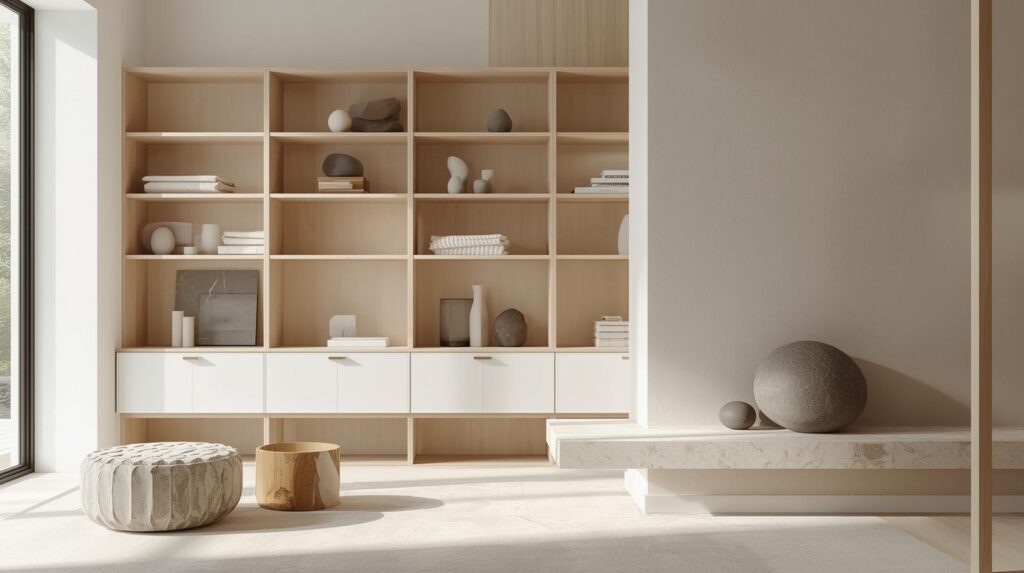
In a Japandi dining room, storage is not about hiding things away but about displaying them with intention and care.
The Beauty of Built-ins
Built-in cabinetry, when done well, can define a dining room and provide a lifetime of functional beauty. Simple, handle-less cabinets in light wood maintain the room’s clean lines while offering ample storage for dining essentials. Glass-fronted upper cabinets allow for the display of cherished ceramics and glassware, turning everyday objects into art. Open shelving, used sparingly, provides a place for a carefully curated collection of bowls, vases, or cookbooks.
The Sideboard as Anchor
A sideboard or buffet is both practical and aesthetic, anchoring one wall of the dining room and providing essential storage and serving space. Look for pieces in natural wood with simple, clean lines. The top surface becomes a stage for a changing display—a large ceramic vessel with dried branches, a collection of candles in varying heights, a stack of linen napkins tied with natural twine. These small arrangements bring life and personality to the room while remaining true to the minimalist ethos.
The Principle of “Less is More”
The Japandi approach to display is guided by the principle that what you choose not to show is as important as what you do show. A few carefully chosen objects, each with space to breathe, have far more impact than a crowded collection. Edit ruthlessly, keeping only those pieces that bring you joy or hold meaning. Allow your eye to rest on each object in turn, appreciating its unique beauty and the role it plays in the room.
Bringing Nature Indoors: The Greenery Connection
Plants are not optional in a Japandi dining room; they are essential, breathing life into the space and strengthening our connection to the natural world.
The Art of Minimalist Botanicals
Choose plants for their sculptural qualities as much as their greenery. A single, dramatic fiddle leaf fig in a corner makes a powerful statement. A collection of small succulents in handmade ceramic pots adds life to a sideboard without clutter. A tall branch of dried eucalyptus in a simple vase brings texture and a subtle fragrance. The Japanese art of ikebana, with its emphasis on line, form, and negative space, offers inspiration for arrangements that feel artistic rather than merely decorative.
Vessels That Matter
In Japandi design, the container is as important as the plant itself. Simple ceramic pots in earthy glazes, woven baskets that add texture, and sculptural concrete planters all serve to elevate the greenery they hold. The pot should complement the plant without competing with it, their relationship one of harmonious balance rather than dominance.
Seasonal Connection
Use your plantings to connect with the changing seasons. Forced bulbs in early spring bring hope and renewal. Lush greenery in summer adds life and vibrancy. Dried grasses and branches in autumn and winter bring warmth and texture when the garden outside sleeps. This seasonal rhythm keeps the room feeling alive and connected to the world beyond its walls.

The Finishing Touches: Accessories with Intention
The final layer of any Japandi dining room is the accessories—the small objects and details that transform a beautifully designed space into a personal sanctuary.
Ceramics as Art
Handmade ceramics deserve pride of place in a Japandi dining room. A single, exquisite vase on a sideboard becomes a focal point. A collection of small bowls, stacked or grouped, adds subtle visual interest. The Japanese tradition of kintsugi—repairing broken ceramics with gold lacquer—perfectly embodies the wabi-sabi appreciation of imperfection and celebrates an object’s history rather than hiding it.
The Power of Negative Space
In arranging your accessories, remember the importance of negative space. Objects need room to breathe, to be seen clearly and appreciated fully. A crowded surface creates visual noise and undermines the serenity you’re working to achieve. Step back and assess your arrangements with a critical eye, removing anything that doesn’t absolutely belong.
Candles for Warmth and Ritual
Candles are essential to the Japandi dining room, bringing the living light that transforms a space after dark. Group them in simple holders of varying heights on a sideboard or mantel. Place a single, elegant taper on the dining table for everyday meals. The ritual of lighting candles before dinner signals a transition—from the busyness of the day to the sacred time of nourishment and connection.
Conclusion: A Room That Nourishes the Soul
Creating a Japandi dining room is about more than following design trends or assembling the right furniture. It is about cultivating a space that supports the way you want to live—with intention, with presence, with connection to the people around you and to the natural world.
This is a room that asks nothing of you but offers everything in return. It welcomes you at the start of each day, provides a setting for nourishment and conversation, and holds the memories of meals shared and moments cherished. It is a room that will age gracefully alongside you, the wood darkening slightly with time, the linen softening with use, the ceramics accumulating the small marks that tell the story of a life well lived.
In a world that moves too fast and demands too much, your dining room can be an anchor—a place of quiet beauty where you can slow down, breathe deeply, and remember what truly matters. That is the gift of Japandi design, and it is one that keeps on giving with every meal, every gathering, every quiet moment spent in its embrace.
So take your time in creating this space. Choose each piece with care and intention. Edit ruthlessly, but fill what remains with meaning. And then, when it is done, simply sit at your table with a cup of tea and a loved one, and let the room do what it was designed to do—hold you in its quiet, beautiful embrace.